What Are Wire Products? Types, Uses & Benefits Explained
Wire products are an essential component in a wide range of industries, serving various functional and aesthetic purposes. From construction and engineering to household applications, these versatile items are characterized by their durability and adaptability. Understanding the types, uses, and benefits of wire products is crucial for anyone involved in projects that require robust solutions, whether for industrial settings or everyday tasks.
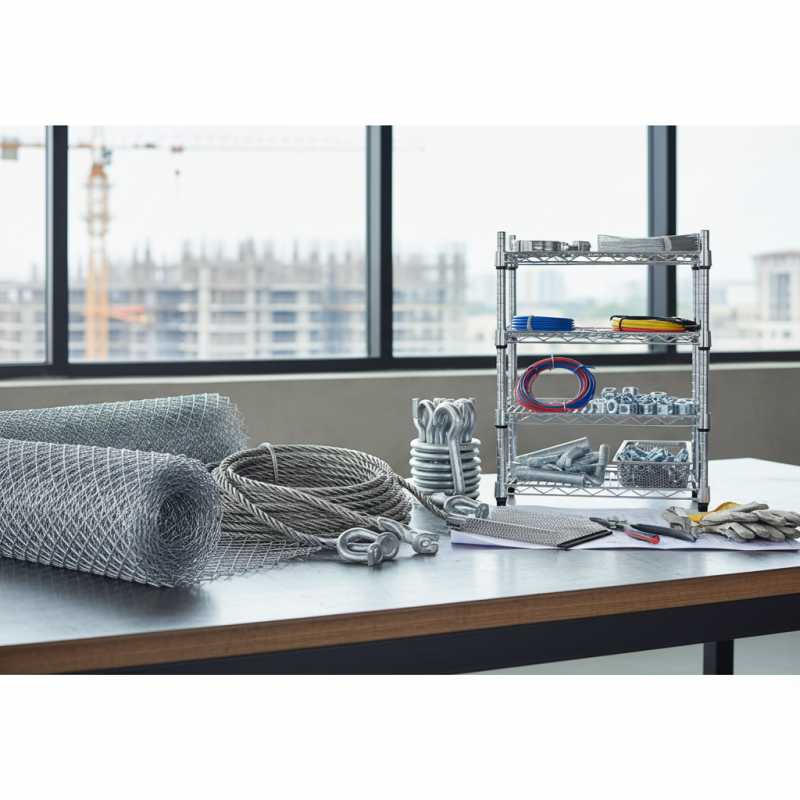
Wire products come in numerous forms, including wire mesh, wire ropes, wire shelves, and more. Each type boasts unique attributes that cater to specific needs. For instance, wire ropes are often utilized for heavy lifting and securing loads, while wire mesh is indispensable in fencing and filtration systems. The myriad applications of wire products make them invaluable, providing strength and support in both commercial and residential contexts.
Moreover, the benefits of using wire products extend beyond functionality. They often enhance safety, organization, and efficiency in various projects. By exploring the characteristics and advantages of different wire products, individuals and businesses can make informed decisions that lead to improved performance and durability in their respective applications.
What Are Wire Products? An Overview of Their Definition and Significance
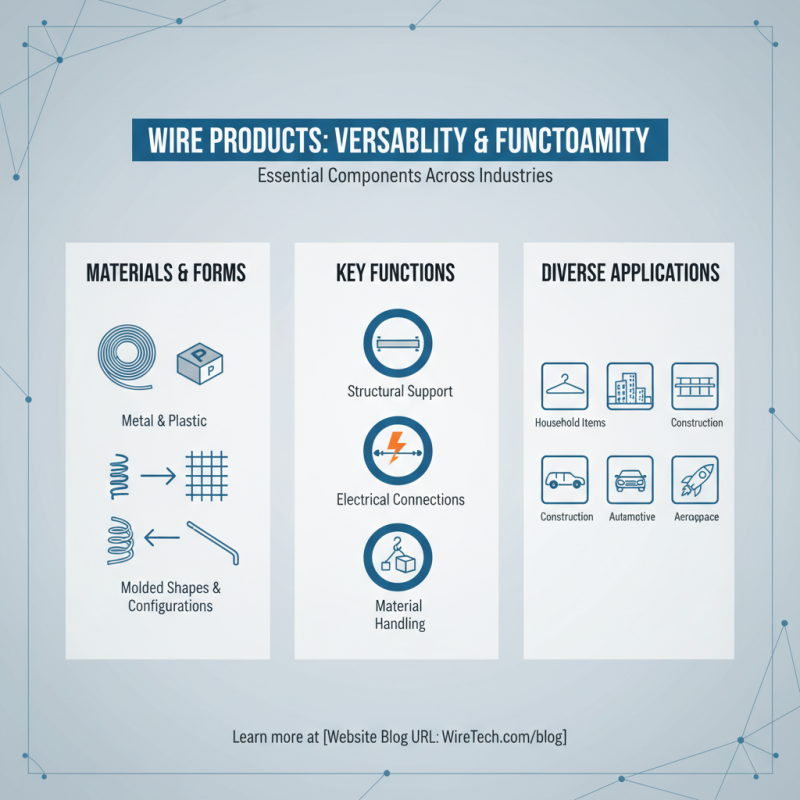
Wire products are essential components in various industries, characterized by their versatility and functionality. They are typically made from metal or plastic and can be molded into numerous shapes and configurations. The significance of wire products stems from their ability to provide structural support, facilitate electrical connections, and enable efficient material handling. Their applications range from everyday household items, such as coat hangers and wire organizers, to more complex systems in construction, automotive, and aerospace sectors.
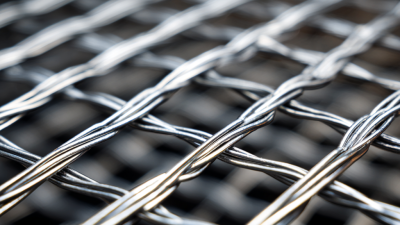
The diverse types of wire products include wire mesh, wire rope, and wire rods, each serving distinct purposes. Wire mesh, for instance, is often used for fencing and safety barriers, offering strength and durability. Wire ropes are crucial in lifting and rigging applications, providing reliable support in construction and shipping. Additionally, specialized wire rods can be utilized in manufacturing springs and cables, highlighting the adaptability of wire products across different fields. Their benefits, such as cost-effectiveness, ease of fabrication, and strength under tension, make them invaluable assets for both consumers and industries alike.
Key Types of Wire Products: From Copper to Steel and Their Applications
Wire products are essential components across various industries, with a wide range of types, each serving unique purposes. The most common materials used in wire products include copper, steel, aluminum, and brass. Copper wire, known for its excellent conductivity, is extensively used in electrical applications, from wiring in homes to intricate circuitry in electronics. Steel wires are renowned for their strength and durability, making them ideal for construction, automotive, and manufacturing sectors. Aluminum wire, being lightweight and resistant to corrosion, is often found in overhead power lines and outdoor electrical systems. Brass wire, with its aesthetic appeal and resistance to corrosion, is typically used in decorative applications and musical instruments.
When selecting wire products for specific applications, it’s essential to consider the material and its properties. For instance, if weight is a critical factor, aluminum wire may be preferable due to its lightness. Conversely, for strength and load-bearing capacity, steel is the champion.
**Tips:** Always ensure to evaluate the environment where the wire will be used; moisture, temperature, and other factors can impact the wire’s performance and longevity. Moreover, it’s wise to consult with professionals or conduct thorough research to choose the right type of wire to meet specific needs effectively. Selecting the correct wire can enhance safety, efficiency, and durability in your projects.
Wire Products Comparison: Types and Applications
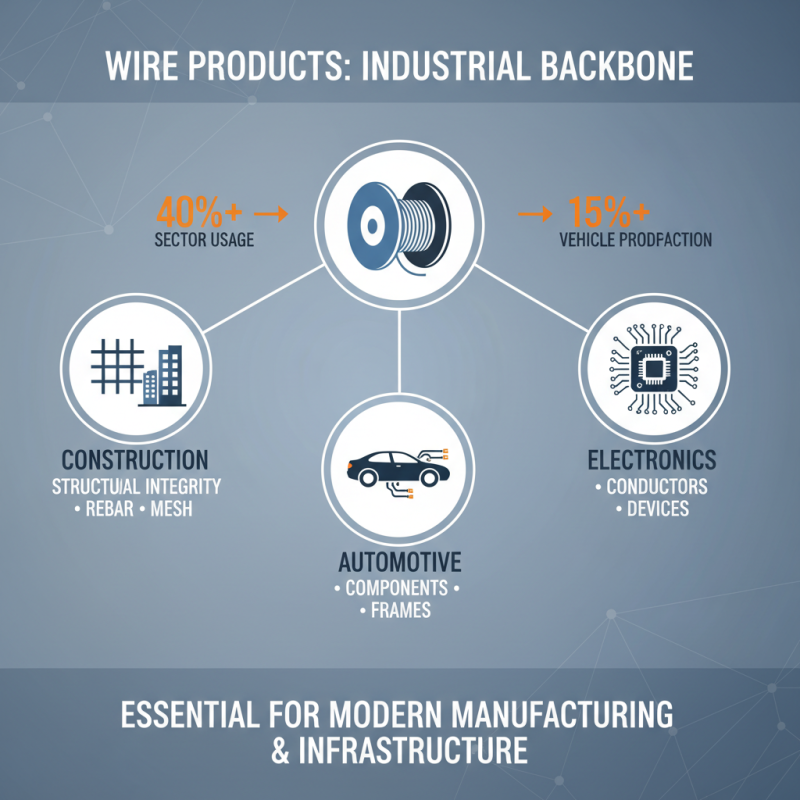
Industrial Uses of Wire Products: Statistics on Manufacturing Sectors
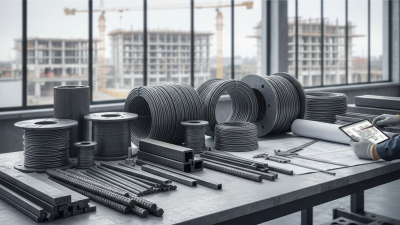
Wire products play a vital role in various manufacturing sectors, contributing significantly to the industrial landscape. In industries such as construction, automotive, and electronics, wire products are essential for creating a wide range of components, from simple supports and reinforcements to complex wiring systems. Statistics reveal that the construction sector, for instance, utilizes a substantial volume of wire products, including rebar and wire mesh, to enhance structural integrity and safety. This reliance stems from the durability and versatility of wire materials, which can withstand harsh environments and provide long-lasting solutions.
Additionally, the automotive industry has experienced a rising demand for wire products, particularly in the production of electrical systems and safety features. Thin wires and connectors are extensively used in vehicle assembly, supporting everything from ignition systems to advanced driver-assistance technologies. The increasing trend towards electric vehicles further amplifies this demand, as wiring harnesses are critical for connecting various electronic components. Overall, the statistics indicate a burgeoning market for wire products across multiple sectors, highlighting their importance in driving innovation and efficiency in modern manufacturing practices.
Benefits of Wire Products: Strength, Durability, and Cost-Effectiveness
Wire products have gained significant traction in various industries, thanks to their remarkable strength, durability, and cost-effectiveness. According to a report by the Global Wire and Cable Market Association, the demand for wire products is projected to grow at a compound annual growth rate (CAGR) of 6.5% between 2022 and 2028. This growth is primarily driven by the expanding construction and automotive sectors, where the need for robust and reliable wiring solutions is paramount.
One of the key benefits of wire products is their unparalleled strength. Materials such as stainless steel and galvanized steel used in wire production offer impressive tensile strength, making them ideal for structural applications. A study published in the Journal of Materials Science highlights that wires made from these materials can withstand significant loads without deformation or breakage, ensuring safety and efficiency in construction projects. Furthermore, the corrosion resistance of these materials enhances their longevity, reducing the need for frequent replacements and thereby cutting down maintenance costs.
Cost-effectiveness is another crucial advantage of wire products. A report from the International Wire and Cable Manufacturer's Association indicates that wire products often offer a lower total cost of ownership compared to alternative materials. This is attributed to their durability and reduced maintenance requirements, which can translate into substantial savings for businesses over time. As industries increasingly prioritize sustainable practices, the recyclable nature of most wire products also supports efforts toward environmental responsibility, further underscoring their economic and ecological benefits.
Market Trends: Growth Projections and Innovations in Wire Product Designs
The wire products market is witnessing significant growth, driven by diverse applications across various industries. According to a report by Grand View Research, the global wire products market is projected to reach USD 205.2 billion by 2025, expanding at a compound annual growth rate (CAGR) of 5.2%. The increasing demand for electric vehicles (EVs) and renewable energy solutions is a key factor contributing to this growth. Wire products play a crucial role in the manufacturing of EV components and have become essential in solar and wind energy applications, where reliable and efficient wiring solutions are necessary.
Innovations in wire product designs are also shaping market trends, with companies increasingly focused on improving material properties to enhance performance and durability. For instance, the introduction of lightweight and corrosion-resistant wire materials is in response to the demand for more efficient and long-lasting products. The International Wire & Cable Symposium highlighted that advanced manufacturing processes such as additive manufacturing and precision engineering are being employed to create more complex and customized wire product designs, catering to specific industry needs. As technology continues to evolve, the wire products market is expected to adapt, leading to more innovative solutions that meet the challenges of modern applications.