Top 10 Trends Shaping the Future of the Steel Industry?
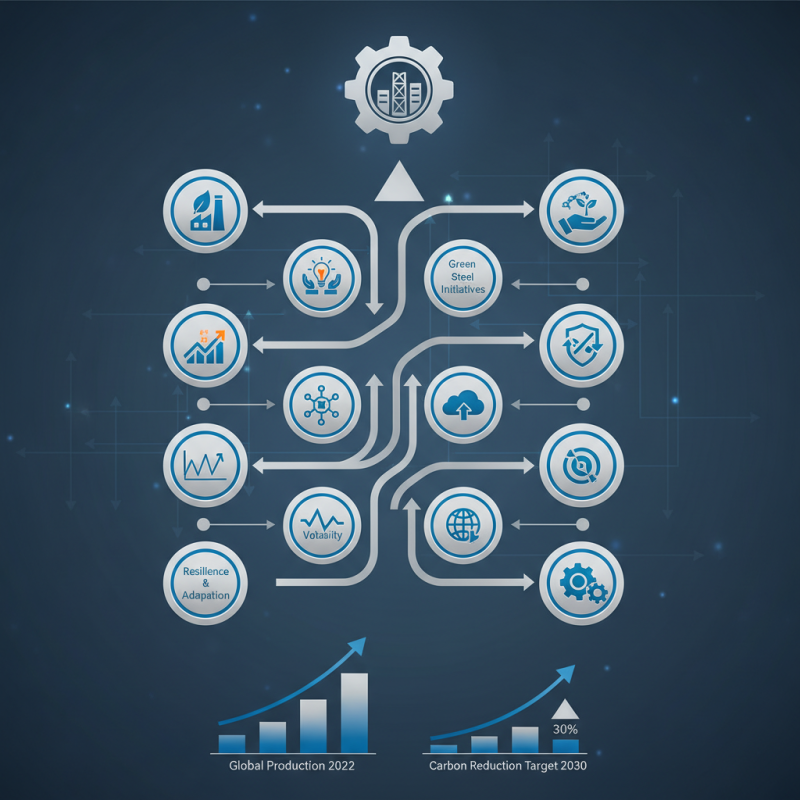
The steel industry is undergoing significant transformation. As we move into a new era, trends are reshaping its landscape. According to a report from the World Steel Association, global steel production reached 1.88 billion tons in 2022. Despite growth, challenges persist.
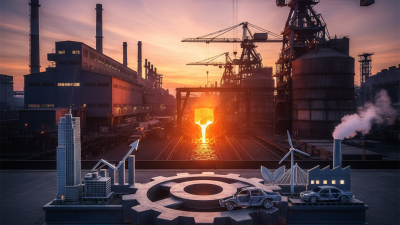
Sustainability is at the forefront. The industry aims to reduce carbon emissions by 30% by 2030. This commitment reflects growing environmental concerns. However, achieving these targets requires innovation and investment. The integration of advanced technologies in steel manufacturing can enhance efficiency. Digitalization is not just a buzzword; it's essential for staying competitive.
Market volatility is another issue. In 2022, steel prices fluctuated dramatically, affecting profitability. Companies must adapt to market changes quickly. In this complex environment, flexibility and strategic planning become critical. The future of the steel industry hinges on both innovation and resilience. As these trends evolve, stakeholders must remain vigilant and responsive.
Emerging Technologies Revolutionizing Steel Production and Processing
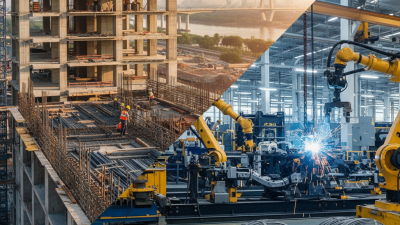
The steel industry is undergoing transformative changes. Emerging technologies are at the forefront of this evolution. Advanced AI is now used to optimize production processes. This reduces waste and enhances efficiency. Automation technologies have streamlined tasks, but challenges remain in workforce adaptation.
Another trend is the use of electric arc furnaces. These furnaces reduce carbon emissions significantly. However, they require significant energy inputs, raising concerns about sustainability. Innovations like hydrogen-based steelmaking show promise, yet practical implementation is still a hurdle for many.
Digital twins are also revolutionizing production management. They simulate real processes for better decision-making. Nonetheless, integrating these systems can be complex and costly. The shift towards greener technologies is crucial. But industries must reflect on dependency issues as they adopt these approaches. Balancing innovation with practical limitations will shape the future of steel.
Top 10 Trends Shaping the Future of the Steel Industry
| Trend |
Description |
Impact on Production |
Year of Adoption |
| Automation |
Implementation of advanced robotics for automating steel production processes. |
Increased efficiency and reduced labor costs. |
2023 |
| Green Steel Production |
Using renewable energy sources and hydrogen in the production process. |
Significant reduction in carbon emissions. |
2025 |
| Digital Twin Technology |
Creating virtual models of production lines for testing and optimization. |
Enhanced operational efficiency and better maintenance planning. |
2024 |
| Artificial Intelligence |
Integrating AI for predictive maintenance and operational optimization. |
Reduced downtime and increased productivity. |
2023 |
| Advanced Materials |
Development of high-strength, lightweight steel for various applications. |
Improved performance in construction and automotive industries. |
2026 |
| Blockchain Technology |
Utilizing blockchain for supply chain transparency and traceability. |
Enhanced trust and reduced fraud in the market. |
2025 |
| Circular Economy Practices |
Focusing on recycling and reusing materials to minimize waste. |
Lower resource consumption and environmental impact. |
2025 |
| Internet of Things (IoT) |
Implementing IoT devices for real-time monitoring of equipment. |
Improved efficiency and predictive analytics capabilities. |
2024 |
| 3D Printing |
Adopting 3D printing technologies for prototyping and production. |
Custom solutions with reduced material waste. |
2026 |
Sustainability Initiatives Driving Eco-Friendly Practices in Steel Industry
The steel industry faces pressing challenges. Sustainability initiatives are at the forefront. Steel production is harsh on the environment. Emissions are significant and contribute to climate change. Innovative practices are emerging to tackle these issues.
One notable approach is recycling scrap steel. This method reduces raw material usage. It also lowers energy consumption. Using renewable energy sources is another trend. Solar and wind power can dramatically cut emissions during production. However, the transition is costly and complex, requiring significant investment.
Water usage in steel production is another concern. Many companies are working to minimize their water footprint. Closed-loop systems can help recycle water, but implementation varies. Not every company has the resources to change. This highlights the industry's need for balanced progress. While some initiatives shine, gaps remain and challenges persist.
Shifts in Global Demand Influencing Steel Market Dynamics and Trade
The global demand for steel is evolving. Emerging economies are increasing their consumption of steel due to urbanization. Countries in Asia and Africa are leading this shift. Rapid infrastructure development fuels their needs. This trend influences production levels and international trade routes in significant ways.
Trade dynamics are changing as countries reassess their resources. Nations are exploring local alternatives to reduce dependency on imports. This could lead to a more fragmented market. Some regions may struggle to keep pace with demand, causing variations in steel prices. Other areas could see an oversupply, leading to excess and waste.
Sustainability also plays a role in these shifts. Steel production is energy-intensive. As countries focus on reducing carbon footprints, demand for greener methods rises. These changes require reevaluation of established practices. Perhaps innovation is the key to balancing growth and environmental responsibility. Engaging with these trends now can influence the industry's future significantly.
Digital Transformation: Automation and IoT in Steel Manufacturing
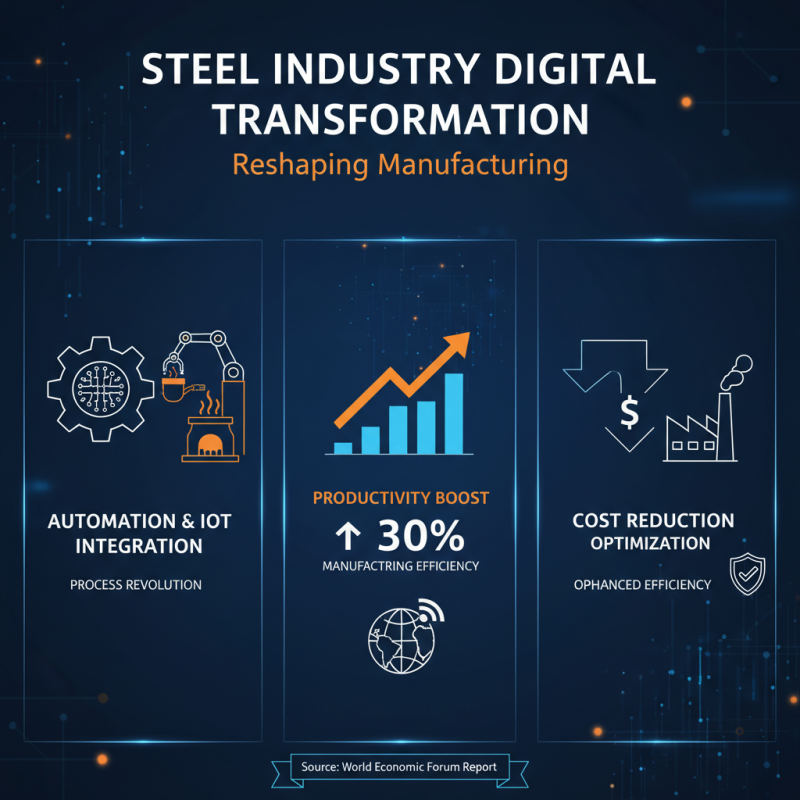
Digital transformation is a game-changer in the steel industry. The incorporation of automation and Internet of Things (IoT) technologies is reshaping steel manufacturing processes. According to a report by the World Economic Forum, implementing IoT can increase productivity in manufacturing by up to 30%. This shift is crucial as the industry grapples with rising operational costs and pressure to enhance efficiency.
Automation also reduces human error. Robotics in steel production streamline tasks like welding and assembly. However, the transition requires careful management. Not all workers are equipped for this shift. A report from McKinsey shows that nearly 40% of workers may need reskilling. This gap raises concerns about workforce displacement in an increasingly automated environment.
While the benefits are apparent, the journey is not without challenges. Data security is a critical issue. Steel companies face risks related to cyberattacks as they become more connected. Moreover, integrating new technologies demands significant investment. Many companies struggle to justify these expenses, especially in volatile markets. The balance between progress and sustainability remains a critical discussion point in the industry.
The Role of Circular Economy in Redefining Steel Industry Practices
The steel industry is undergoing a significant transformation, driven by the principles of the circular economy. This approach rethinks how steel is produced and consumed. Traditional practices often lead to waste and environmental harm. In contrast, the circular economy focuses on minimizing these negative impacts. It promotes recycling and the use of scrap materials.
Adopting these practices can be challenging. Not all facilities are equipped for efficient recycling. Many production methods still rely heavily on virgin materials. This can create tension between innovation and established habits. However, companies are beginning to recognize the potential benefits. Sustainable practices can lead to cost savings and improve public perceptions.
New technologies are emerging to support these shifts. Innovations in recycling techniques and renewable energy sources are becoming more prevalent. Yet, the transition is often slow. It requires collaboration across the entire industry. Stakeholders must work together to redefine standards and practices. This is not a simple journey, but it is a necessary one. The future of the steel industry depends on it.