Top 10 Tapping Screws for Global Buyers to Consider?
In the realm of fastening solutions, Tapping Screws play a pivotal role. These screws create their own threads while being driven into materials, ensuring a secure fit. They are versatile, suitable for various applications, and preferred by many professionals. Selecting the right tapping screw can significantly impact project efficiency and durability.
When exploring tapping screws, global buyers should consider several factors. Different materials, sizes, and coatings can affect performance. Each application may demand unique specifications. Quality is paramount; thus, trusting reputable manufacturers is essential. It's helpful to compare products based on user reviews and industry standards.
It's important to acknowledge that not every tapping screw fits all situations. Misjudging the requirements can lead to performance issues. This calls for careful evaluation and sometimes a learning curve. Understanding specifications deeply can help in making informed choices. Ultimately, the right tapping screw can enhance your project, but the selection process requires diligence and attention to detail.
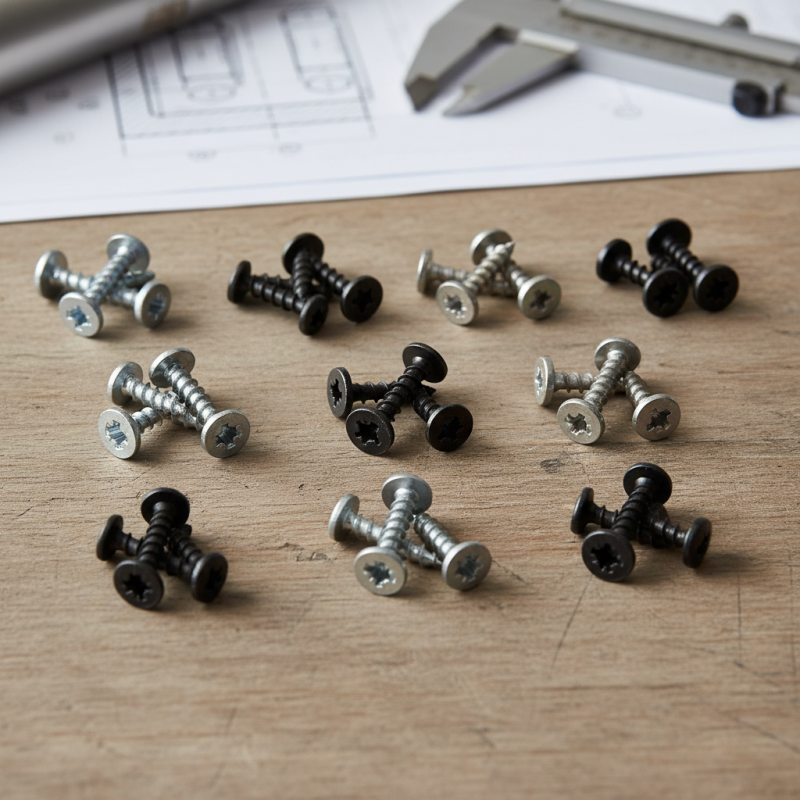
Understanding Tapping Screws: Types and Applications
Tapping screws are essential fasteners in various industries. They create threads in pre-drilled holes, allowing for easy assembly. These screws come in different types, each serving specific applications. Common types include self-tapping and thread-forming screws. Each type has its unique benefits and limitations.
Self-tapping screws excel in metal and plastic applications. They can cut their threads while being driven in. This efficiency reduces the need for additional hardware. Thread-forming screws, on the other hand, deform the material to create threads. This method often results in a stronger bond, especially in softer materials.
When selecting tapping screws, consider your material and application. Not all screws are compatible with every surface. Using the wrong type can lead to stripped threads or weak connections. Understand the specific requirements of your project. Analyze the strength needed and the materials involved. This knowledge will lead to better choices in fasteners.
Top 10 Tapping Screws for Global Buyers to Consider
| Screw Type | Material | Coating | Diameter (mm) | Length (mm) | Applications |
| Self-Drilling | Carbon Steel | Zinc Plated | 5.0 | 25 | Metal Sheets |
| Machine Screw | Stainless Steel | Black Oxide | 3.5 | 20 | Plastic Assemblies |
| Self-Tapping | Brass | Clear Zinc | 4.0 | 15 | Wooden Applications |
| Thread Cutting | Aluminum | None | 6.0 | 30 | Sheet Metal |
| Hex Head | Carbon Steel | Galvanized | 8.0 | 40 | Structural Connections |
Key Performance Factors for Selecting Tapping Screws
When selecting tapping screws, specific performance factors can guide global buyers towards the best choices. One essential factor is material composition. Screws made from high-strength steel or stainless steel are often preferred for their durability. According to a study by the International Association of Fastener Technology, over 45% of users reported improved performance with stainless steel options in corrosive environments.
Another critical aspect to consider is the thread design. Coarse threads provide better grip in softer materials, while fine threads are ideal for harder substrates. Mechanical engineers suggest that choosing the right type drastically reduces the likelihood of stripping. In fact, a report from Fastener Technology International indicated that improper thread selection could lead to a 30% increase in failure rates during assembly.
Tips: Always test different combinations before finalizing a purchase. Monitor feedback from users to identify any recurring issues. Pay attention to the finish as well; it can affect both appearance and corrosion resistance. Consider supplier reputation too, as experienced vendors often provide better quality assurance.
Top 10 Recommended Tapping Screws for Global Buyers
When exploring tapping screws, global buyers should prioritize quality and performance. Tapping screws are essential in various applications, from construction to machinery assembly. They create threads as they are driven into materials, ensuring a secure fit. The right choice enhances durability and strength, which is crucial in critical projects.
Consider the material of the screws. Carbon steel is a popular choice for its resilience. Stainless steel offers corrosion resistance, making it suitable for outdoor use. Buyers often overlook these aspects, leading to premature failure. Length and diameter are equally important. A well-matched screw and pilot hole size guarantee better grip and minimize damage to the base material.
In some cases, manufacturers provide detailed specifications. However, buyers may find them hard to interpret. Testing different types could reveal unexpected results. Every project has unique requirements. It is essential to avoid a one-size-fits-all approach. Engage with experienced professionals to guide your decisions. Familiarity with local regulations also plays a significant role. Having insights into these factors leads to better outcomes.
Top 10 Tapping Screws for Global Buyers to Consider
This chart showcases the performance ratings of the top 10 tapping screws, giving global buyers insights into quality and preference.
Factors Influencing Tapping Screws Pricing Globally
When it comes to tapping screws, pricing can vary significantly across global markets. Several factors influence these prices, including material quality, manufacturing processes, and regional demand. High-quality materials tend to command higher prices, as they ensure durability and strength. In contrast, cheaper alternatives may compromise performance.
Another significant factor is the manufacturing process. Advanced techniques may yield better results but can also increase production costs. Regions with strong manufacturing capabilities often have competitive pricing due to economies of scale. Be mindful of fluctuations in demand as well. A sudden increase in construction activity can drive prices up, while a slowdown may lead to reductions.
**Tips:** Always compare different suppliers before making a purchase. Look for reviews or case studies showcasing performance. This helps ensure you're making informed decisions based on actual experiences.
Consider local tariffs and import taxes too. These may further affect the final cost of tapping screws. Staying updated with market trends can provide additional insights into pricing dynamics.
**Tips:** Engage in discussions with industry professionals. Their insights can reveal hidden costs and potential savings. Don't underestimate this valuable information.
Best Practices for Using and Installing Tapping Screws
When using tapping screws, proper installation is crucial. Start by selecting the right size. A screw that is too long can damage materials and reduce stability. Too short, and it won't hold securely. Ensure the hole is clean and free of debris. This promotes better engagement.
Pre-drilling is often recommended, especially in tough materials. This helps create an easier path for the screw. Use a drill bit that matches the core diameter of the screw. Over-torquing can lead to stripped holes. This results in a compromised hold. It’s important to be mindful of the torque settings, especially when working with softer materials.
Consider the environment where the screw will be used. Different materials have different properties. Exposure to moisture can lead to corrosion. Stainless steel is often recommended for such conditions. Review your installation afterward. Look for any signs of looseness or movement. Ensuring a secure fit contributes to the overall integrity of your project.
