News & Notes

The Blog of
MID-CONTINENT STEEL AND WIRE

Top 10 Reasons to Choose Sustainable Steel for Your Projects?

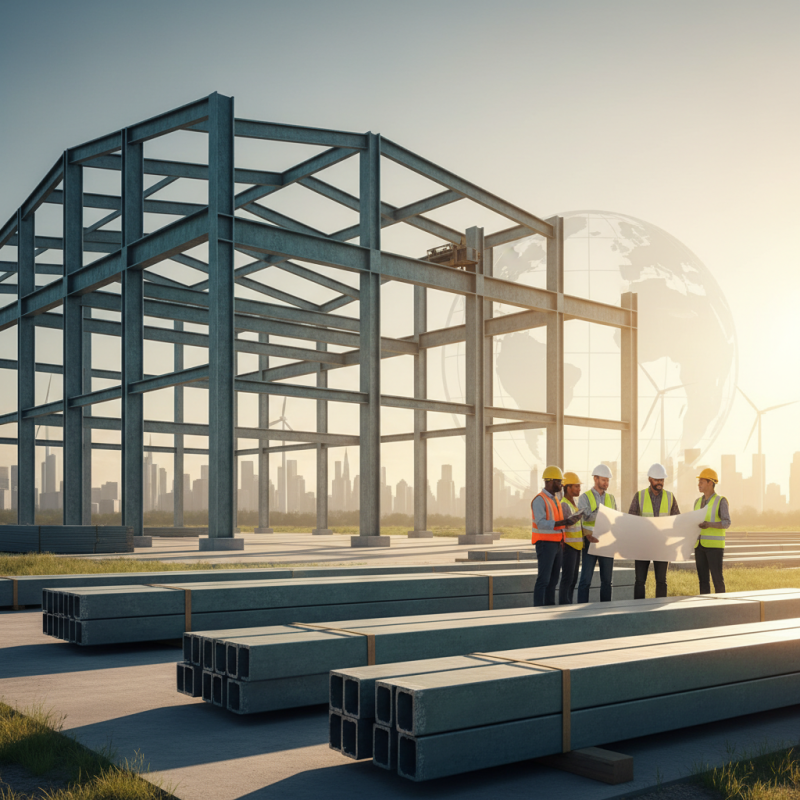
In today's construction landscape, the choice of materials can dramatically affect sustainability. Sustainable steel emerges as a powerful option for various projects. This steel is produced with minimal environmental impact. It undergoes recycling processes that significantly reduce energy consumption. By choosing sustainable steel, businesses demonstrate their commitment to protecting natural resources.

Moreover, using sustainable steel can enhance a project’s long-term resilience. Structures made with this material often have a longer lifespan. They also require less maintenance over time. This results in cost savings and reduced waste. Companies are increasingly recognizing the importance of sustainability in their operations.

However, making the switch to sustainable steel can be challenging. Some may question its availability or higher upfront costs. It's crucial to weigh these concerns against the long-term benefits. Ultimately, the decision to use sustainable steel reflects a broader commitment to environmentally responsible practices in construction.
Top 10 Reasons to Choose Sustainable Steel for Your Projects?

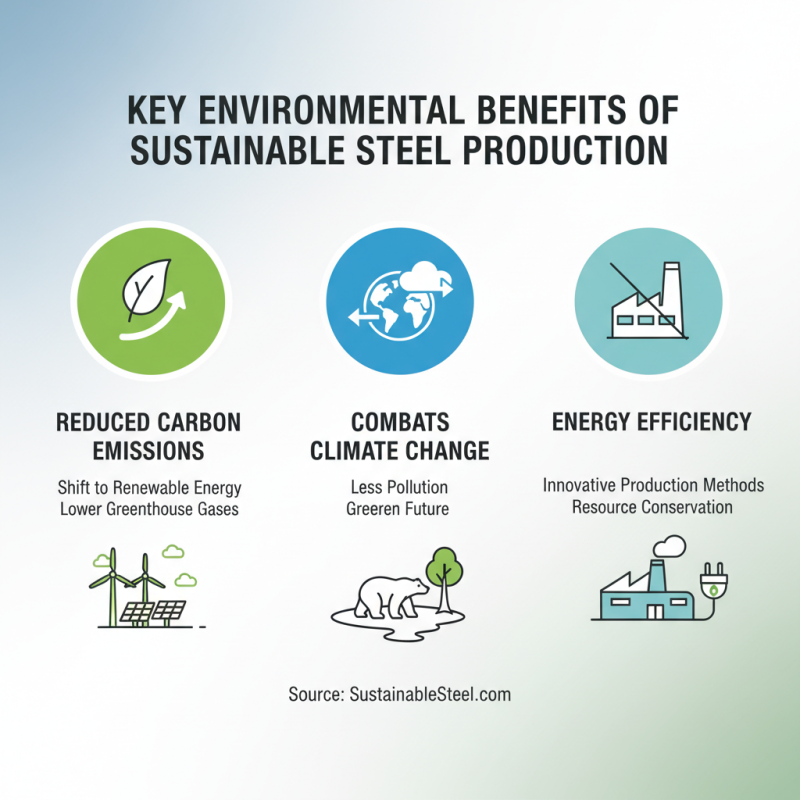
Key Environmental Benefits of Sustainable Steel Production

Top 10 Reasons to Choose Sustainable Steel for Your Projects?

Sustainable steel production offers numerous environmental benefits. One significant advantage is the reduction of carbon emissions. Traditional steel production is energy-intensive. However, newer methods use renewable energy sources, cutting greenhouse gas emissions substantially. This shift helps combat climate change effectively.

Another key benefit is the recycling aspect. Sustainable steel can be made from recycled materials. This process not only conserves raw materials but also reduces landfill waste. It is a closed-loop system. The more we recycle, the less new steel we need to produce. This practice encourages a more circular economy, benefiting the environment further.

Additionally, sustainable steel often requires less water in its production process. Water scarcity is becoming a pressing issue. By minimizing water usage, companies can reduce their impact on local ecosystems. However, challenges remain. Transitioning to sustainable practices may require significant investment and time. It's crucial for the industry to recognize these complexities while pursuing greener solutions.
Economic Advantages of Choosing Sustainable Steel

Sustainable steel offers significant economic advantages for various projects. Its lower environmental impact often leads to cost savings over time. By reducing carbon emissions during production, companies may benefit from tax incentives and grants. Also, many consumers prefer eco-friendly products, allowing businesses to attract new customers.

Investing in sustainable steel can yield lower long-term expenses. For example, using recycled materials often cuts down on sourcing costs. Additionally, efficient production processes minimize energy use. This results in a decrease in operational costs and a smaller carbon footprint. Companies need to be cautious, though. Initial investment in sustainable options can be higher.

Smart businesses weigh these upfront costs against future savings. Long-term, sustainable choices promote a positive brand image and loyalty among customers. The shift toward eco-friendly materials reflects a growing market trend. However, challenges persist in sourcing and availability. Companies must adapt and be willing to explore innovative solutions. This balanced approach helps ensure sustainability without compromising economic viability.

Top 10 Reasons to Choose Sustainable Steel for Your Projects

This bar chart illustrates the economic advantages of choosing sustainable steel for construction projects, highlighting factors such as cost savings, lifecycle benefits, and efficiency improvements.

The Role of Sustainable Steel in Reducing Carbon Footprint

Top 10 Reasons to Choose Sustainable Steel for Your Projects?

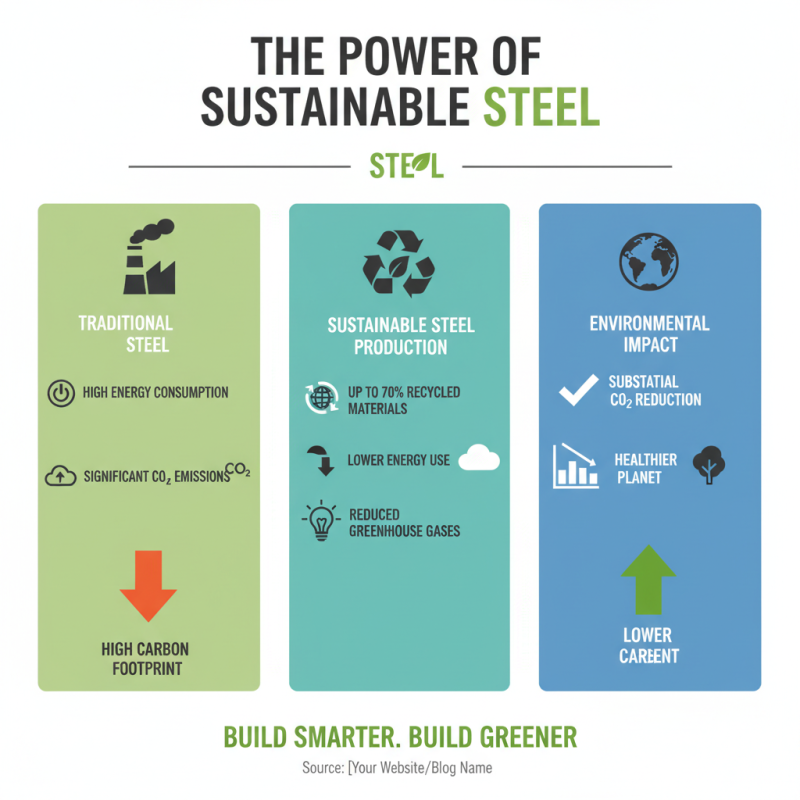
Sustainable steel plays a significant role in reducing the carbon footprint of construction projects. Its production methods prioritize recycling and lower energy consumption. By using up to 70% recycled materials, sustainable steel drastically reduces greenhouse gas emissions. Traditional steel production is energy-intensive, emitting considerable CO2. In contrast, sustainable approaches minimize these emissions, contributing to a healthier planet.

Projects utilizing sustainable steel can achieve notable energy savings during their lifecycle. This is crucial, as buildings account for a large portion of global energy use. Sustainable steel not only lowers emissions during its manufacturing but also increases energy efficiency in final applications. However, the transition to sustainable steel is not perfect or easy. It requires industry-wide change and investment in new technologies. Challenges include ensuring consistent quality and overcoming initial cost barriers. Such reflections are necessary for a successful shift toward a sustainable future.

Durability and Performance: Why Sustainable Steel Stands Out

Sustainable steel has become a game-changer in construction. Its exceptional durability sets it apart from traditional steel. Projects utilizing sustainable steel benefit from reduced environmental impact without sacrificing performance. This material can withstand harsh weather conditions and resist corrosion effectively. Such attributes enhance the longevity of buildings and structures.

Incorporating sustainable steel is a thoughtful choice for long-term investments. While it may seem more expensive upfront, its resilience often leads to lower maintenance costs over time. Sustainable steel has been engineered for high performance. It adapts well to various construction methods, making it versatile. However, it’s essential to consider that not all sustainable options are created equal. Some may still have hidden environmental challenges that require thorough evaluation.

The aesthetics of sustainable steel are also noteworthy. Its sleek, modern appearance fits various architectural styles. Many designers appreciate its ability to blend with other materials creatively. Yet, the journey to fully sustainable steel production is ongoing. This reality invites reflection on the industry's evolving standards and practices, highlighting the importance of continuous improvement. Embracing sustainable practices is crucial for future projects.

Compliance and Certification: Ensuring Quality in Sustainable Steel

Sustainable steel is gaining traction in construction. Compliance and certification ensure the quality and environmental impact of these materials. Industry reports suggest that certified sustainable steel can reduce carbon emissions by up to 50%. This potential is critical as many construction projects aim to meet stringent environmental standards.

Certification bodies assess the lifecycle impacts of steel production. They check for responsible sourcing and lower energy consumption. Studies reveal that 70% of builders prioritize certified materials. This trend reflects growing awareness of sustainability in the sector. However, not all certifications are equal. Some may lack robustness in evaluating environmental impacts.

Transparency in sourcing and production is crucial. The Steel Stewardship Council provides benchmarks for sustainable practices. However, builders must dig deeper into certification claims. The landscape can be complex and sometimes misleading. As the industry evolves, additional layers of verification may be necessary to ensure that sustainability is not just a marketing tool.