Top 10 Building Materials Steel for Global Buyers?
Building materials steel is a cornerstone of modern construction. According to the World Steel Association, global steel production reached 1.9 billion tons in 2021, emphasizing its crucial role in infrastructure. As cities expand, demand for high-quality steel continues to rise.
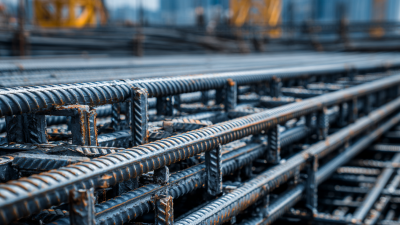
In the construction industry, steel is valued for its strength and versatility. It is the primary choice for beams, columns, and reinforcements. The durability of steel contributes to longer-lasting structures. However, the fluctuating prices of steel can pose challenges for builders and buyers alike.
Moreover, sustainability remains a concern. While steel is recyclable, the production process contributes significantly to carbon emissions. Finding innovative and eco-friendly approaches in steel manufacturing is essential. These challenges highlight the importance of critical assessment in sourcing building materials steel. Quality, sustainability, and cost-effectiveness are pressing issues in this industry. The need for reliable sourcing continues to shape market dynamics.
Introduction to Steel as a Building Material
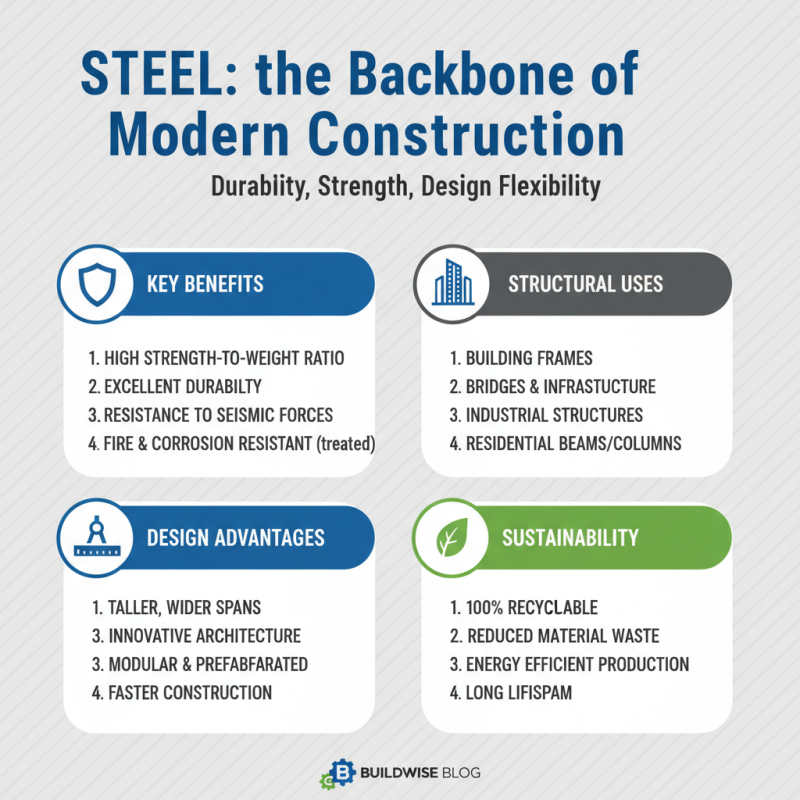
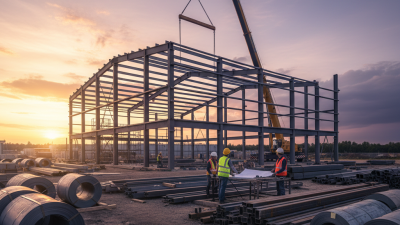
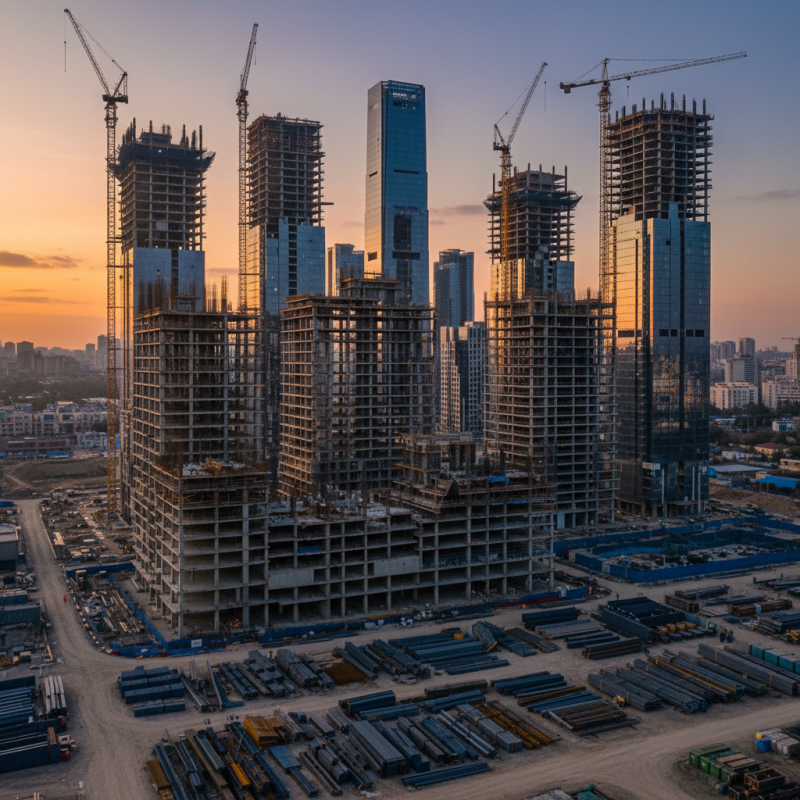
Steel has emerged as a pivotal building material in modern construction. It offers durability, resistance, and flexibility. This makes it a preferred choice for both commercial and residential projects. Many buildings today utilize steel for structural frames, which can withstand extreme weather and heavy loads. Its strength-to-weight ratio is exceptionally high, allowing for taller and more innovative designs.
However, the production of steel raises concerns. It is energy-intensive and can contribute to carbon emissions. As the industry evolves, there is a growing focus on sustainable steel production. This includes recycling and using alternative energy sources. Innovations in steel-making techniques are essential for reducing environmental impact. Yet, challenges remain in balancing economic and ecological needs.
Steel's versatility also comes with complexities. Architects must consider corrosion resistance and local climates when selecting steel types. Engineers face challenges in ensuring steel structures meet safety standards. Continuous learning and adaptation in the use of steel are vital. The journey of steel as a building material reflects both its potential and the obstacles we must overcome for a sustainable future.
Key Properties and Benefits of Steel in Construction
Steel is a fundamental building material in construction. It offers unique properties that ensure durability and strength. Its high tensile strength supports vast structures and heavy loads. Steel can withstand harsh environmental conditions, making it a reliable choice for various climates.
One of the key benefits of steel is its recyclability. This characteristic makes it an environmentally friendly option. Around 90% of steel can be recycled without losing its quality. Many buildings today are utilizing reclaimed steel. This practice not only conserves resources but also reduces waste.
However, it's worth noting that steel can corrode without proper treatment. Regular maintenance is essential to prolong its lifespan. Additionally, while steel is fire-resistant, it can lose strength under extreme temperatures. Builders must consider these factors when designing with steel. Balancing steel's advantages with its challenges can lead to safer and more sustainable construction practices.
Types of Steel Used in Building Projects
When considering steel for building projects, understanding the types is crucial.
Structural steel remains a top choice, known for its strength and flexibility.
Data from the World Steel Association shows that global steel demand reached 1.8 billion tons in 2022.
This reflects steel's enduring popularity and reliability in construction.
Another commonly used type is stainless steel. With its impressive corrosion resistance, it excels in harsh environments.
Reports indicate that the market for stainless steel in construction is expected to grow by 4.3% annually.
This growth illustrates a shift towards materials that enhance durability.
Additionally, alloy steel is gaining traction. It offers enhanced properties such as higher strength and toughness.
However, its cost can be significantly higher than other types. While these diverse options grant builders flexibility,
the decision-making process becomes intricate. Balancing budget constraints with quality and durability must be thoughtfully considered.
These factors highlight the complexity of selecting the right steel for construction.
Global Suppliers and Market Trends for Steel
The global steel market is experiencing notable shifts, driven by various factors. Emerging economies are showing a growing demand for steel, while developed markets continue to stabilize. According to a recent report by the World Steel Association, global steel production is expected to grow by 1.1% annually, reaching approximately 1.8 billion tons by 2025. This growth reflects trends in construction and automotive sectors, which heavily rely on steel as a key material.
In terms of suppliers, countries like China and India dominate the market. China produced 1.05 billion tons of steel in 2022, accounting for over half of the world's total output. However, sustainability concerns are rising. Environmental initiatives demand cleaner production methods. Reports indicate that 60% of steel companies are investing in cleaner technologies. This required shift creates challenges and opportunities. The transition may impact costs and production timelines, which buyers need to consider carefully.
Market trends show a potential for an increase in recycled steel usage. Recycled steel can reduce carbon emissions significantly. It's projected that by 2025, the share of recycled steel in global production could reach 30%. This movement not only addresses sustainability but also influences pricing and supply strategies. Buyers should stay informed about these evolving trends. Understanding the broader market landscape is essential for making informed purchasing decisions.
Sustainability and Recycling of Steel in Construction
The sustainability of steel in construction has become a focal point for global buyers. Steel is not only durable but also highly recyclable. According to the World Steel Association, about 85% of steel is recycled after its initial use. This incredible statistic highlights a circular economy in the steel industry.
Recycling steel reduces greenhouse gas emissions significantly. Reports indicate that recycling steel uses up to 75% less energy than producing new steel. This energy efficiency leads to a reduction in carbon footprint, making steel a more sustainable choice. However, the challenge lies in ensuring that recycled steel meets the safety and quality standards demanded in construction.
While the benefits of steel recycling are clear, issues remain. Some recycled steel may contain impurities. These can impact the material's structural integrity. Continuous innovations in sorting and processing techniques are crucial to enhance the quality of recycled steel. Addressing these challenges will further promote steel as a leading material for sustainable construction.