Top Aluminum Extrusion Profiles from China for Global Buyers?
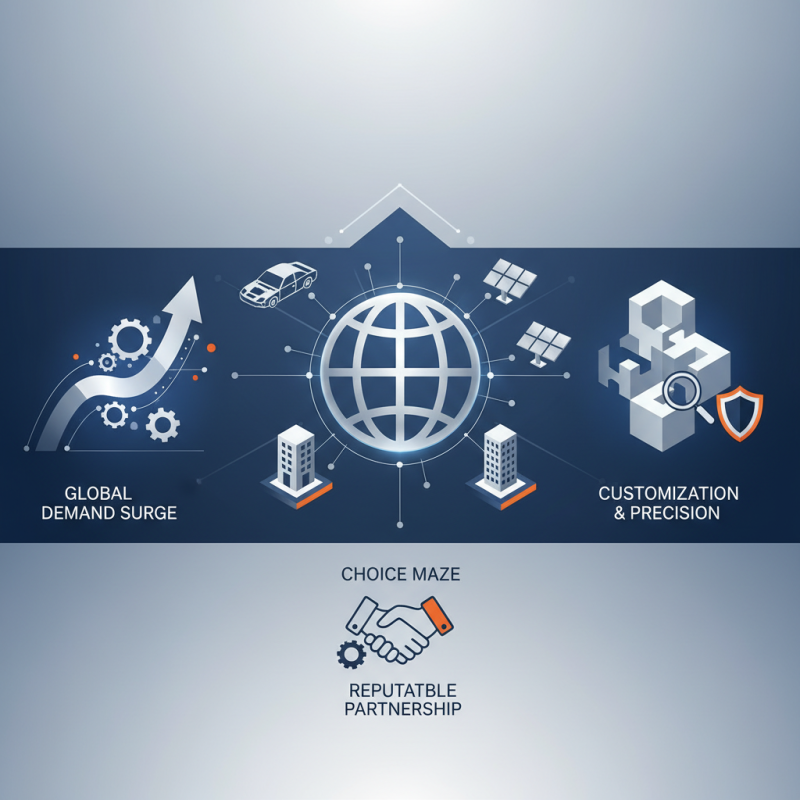
In recent years, the demand for Aluminum Extrusion Profiles has surged globally. Manufacturers in China have emerged as key players in this market. Their expertise in producing high-quality extrusions has attracted international buyers. Aluminum Extrusion Profiles are essential in various industries, including construction and automotive.
Chinese suppliers excel in creating customized profiles that meet specific requirements. Many international companies rely on them for durability and precision. However, not all suppliers uphold the same standards. This means buyers must conduct thorough research to ensure reliability. Quality control is vital when selecting a partner in China.
Moreover, the variety of profiles available can be overwhelming. Buyers may find themselves unsure of which specific products suit their needs. Engaging with reputable manufacturers can help navigate these complexities. As the market evolves, staying informed about trends and innovations in Aluminum Extrusion Profiles becomes crucial for global buyers.
Overview of Aluminum Extrusion Process and Its Importance
Aluminum extrusion is a vital manufacturing process used worldwide. It involves forcing aluminum alloy through a specialized die to create a variety of shapes. This process is essential for producing parts with specific profiles, allowing manufacturers to tailor their products effectively.
The importance of aluminum extrusion lies in its versatility and efficiency. Industries utilize a wide range of extrusion profiles, from structural components to delicate fixtures. The lightweight nature of aluminum enhances product mobility and usability. Moreover, different alloys can be developed to suit specific applications, increasing performance and durability.
While aluminum extrusion can streamline production, challenges may arise. Variability in raw materials can lead to inconsistencies in the final product. Additionally, the need for precise measurements demands constant monitoring. Extrusion services must continually innovate to maintain quality and meet changing demands. The potential for imperfections in profiles can prompt designers to rethink their approaches, leading to better solutions over time.
Key Types of Aluminum Extrusion Profiles Commonly Used Worldwide
Aluminum extrusion profiles serve various industries globally, showcasing their versatility. Common types include shapes like T-sections, U-channels, and round tubes. According to recent industry reports, the global aluminum extrusion market is expected to reach $100 billion by 2025, reflecting strong demand.
T-sections are popular for their structural integrity in construction. U-channels, favored for mounting applications, offer ease of assembly. Round tubes find usage in automotive and aerospace sectors. These profiles maintain excellent strength-to-weight ratios, making them ideal in weight-sensitive applications.
However, challenges persist, such as maintaining consistency in quality and managing production costs.
Data indicates that Europe and North America account for a significant share of aluminum consumption, with Asia-Pacific regions rapidly growing. Sustainable practices are becoming crucial, with over 60% of industry players focused on eco-friendly production. Recognizing the need for innovation remains vital, as manufacturers continuously seek improved processes to meet evolving market demands. Balancing quality and cost-effectiveness presents ongoing challenges that need addressing.
Top Manufacturers of Aluminum Extrusion Profiles in China
China has emerged as a leading hub for aluminum extrusion profiles. Many global buyers look to Chinese manufacturers for quality products. The range of applications for these profiles is vast, including construction, transportation, and electronics. The ability to customize designs is a significant advantage. This flexibility attracts diverse industries seeking specific solutions.
When evaluating manufacturers, focus on their production capabilities. Assess their technological advancements and quality control processes. A reliable manufacturer often possesses certifications that guarantee product standards. Engage with previous customers to gain insights into their experiences. Some manufacturers may struggle with consistent quality, which could impact your projects.
Tips for selecting the right supplier include requesting samples. Test the materials before bulk purchasing. Also, consider the manufacturer's lead times. A partner who communicates efficiently can save you from potential delays. Establishing a long-term relationship with a manufacturer can bring stability and reliability to your supply chain. Look for transparency in pricing and production timelines. This can be a game-changer for successful collaboration.
Top Aluminum Extrusion Profiles from China for Global Buyers
| Profile Type | Application | Standard Size (mm) | Wall Thickness (mm) | Weight (kg/m) | Finish Options |
| Square Tube | Construction | 50 x 50 | 3 | 6.5 | Anodized, Powder Coated |
| Rectangular Tube | Furniture | 30 x 20 | 2 | 3.4 | Polished, Brushed |
| Flat Bar | Fabrication | 100 x 10 | 5 | 7.5 | Natural, Anodized |
| Round Tube | Automotive | 40 | 2.5 | 4.2 | Anodized, Powder Coated |
| Channel | Structural | 75 x 40 | 6 | 10.3 | Mill Finish, Anodized |
Market Trends: Global Demand for Chinese Aluminum Extrusion Products
The global demand for aluminum extrusion products has seen notable growth in recent years. According to a report by Grand View Research, the market size of aluminum extrusions is expected to reach USD 100 billion by 2025, expanding at a compound annual growth rate (CAGR) of 5.6%. This surge is driven by sectors such as construction, automotive, and aerospace. China remains a key supplier, with around 40% of the global production share.
Chinese manufacturers excel in producing high-quality aluminum profiles. However, challenges arise. Quality control can vary, and not every supplier meets international standards. Buyers often face difficulties assessing reliability. Moreover, fluctuating raw material prices can impact costs. Ensuring consistency in supply remains critical.
Market trends indicate a shift towards sustainability. Many global buyers now prioritize suppliers who utilize recycled aluminum. The International Aluminum Institute notes that recycled aluminum requires 95% less energy to produce than primary aluminum. This demand for greener options may drive innovation within China's extrusion industry. Buyers are encouraged to learn and adapt to these requirements for sustainable sourcing.
Quality Standards and Certifications for Aluminum Extrusion Profiles
When sourcing aluminum extrusion profiles, understanding quality standards is crucial. Numerous certifications indicate reliability and performance. Global buyers should prioritize profiles that meet ISO standards. These certifications ensure consistency and quality in manufacturing processes. Prospective clients can assess the credibility of suppliers by checking these standards.
Tips: Always request detailed quality documentation before placing orders. This step helps confirm compliance. Look for profiles marked with international certifications.
Another essential aspect is the sourcing process. Some suppliers might not disclose their manufacturing practices. Buyers should ask for transparency regarding material sourcing and production processes. This openness can foster trust. However, buyers should also be aware of surface-level certifications that don’t reflect actual product quality.
Tips: Engage with suppliers directly. Building relationships can lead to better insights. Don’t hesitate to ask tough questions about quality control measures.
