Top Steel Wire Trends to Watch in 2026 for Global Buyers
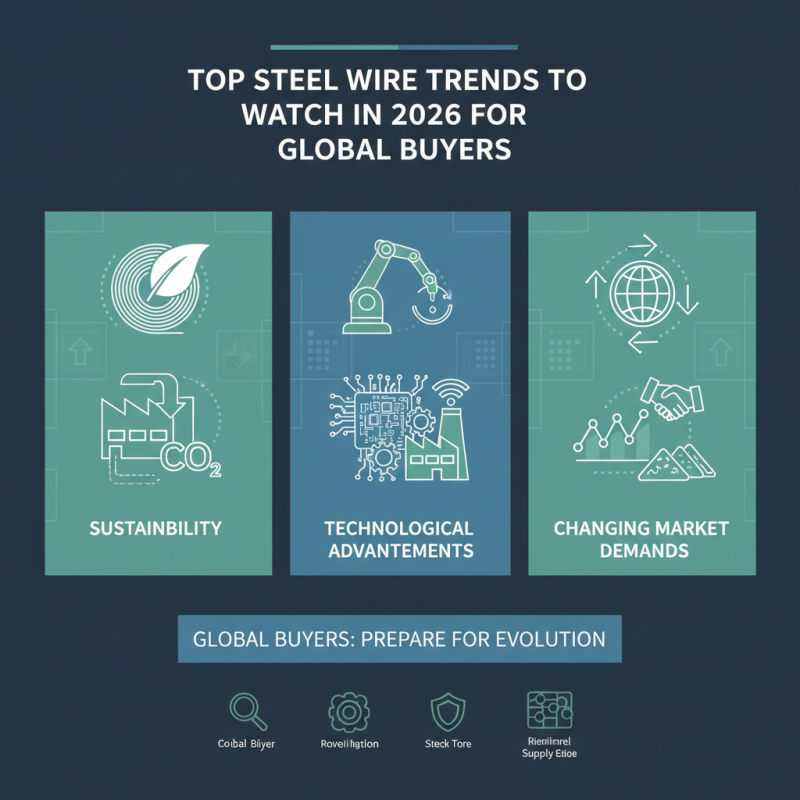
As we look ahead to 2026, the landscape of the steel wire industry is set to experience significant changes. Global buyers must prepare for emerging trends that influence both production and consumption. Factors such as sustainability, technological advancements, and changing market demands will play pivotal roles in shaping the future of steel wire.
In the coming years, eco-friendly practices will likely dominate the agenda. Companies are investing in green technologies, aiming to reduce carbon footprints in steel wire manufacturing. Buyers will increasingly seek suppliers who prioritize sustainability in their processes. Additionally, innovations such as automation and smart manufacturing are expected to enhance efficiency and quality.
Understanding these dynamics is essential for global buyers. The volatility in raw material prices and geopolitical tensions may affect supply chains. Buyers should remain vigilant and consider diversifying their sourcing strategies. A thorough analysis of market trends could lead to better decision-making. Embracing these insights ensures readiness for the evolving steel wire market, promoting both competitiveness and sustainability.
Emerging Technologies Impacting Steel Wire Production Efficiency in 2026
Emerging technologies will significantly impact steel wire production efficiency by 2026. Automation and smart manufacturing are taking center stage. These innovations enable real-time monitoring of production processes. Sensors track performance metrics, reducing downtime and enhancing output quality.
Artificial intelligence (AI) is another game-changer in this field. AI algorithms analyze vast amounts of data. They recommend adjustments to improve efficiency. This predictive capability can lead to lower energy consumption and reduced wastage. It's important to note that while these technologies promise efficiency, they also require skilled personnel to manage them effectively.
Moreover, energy-efficient production methods are gaining traction. Companies are exploring alternative materials and processes to minimize their carbon footprint. However, adapting to these practices can be challenging for some manufacturers. They may face initial investment hurdles and a learning curve in technology integration. The balance between efficiency and sustainability is crucial. Understanding these dynamics is vital for any buyer in the global steel wire market.
Top Steel Wire Trends to Watch in 2026
Global Demand Trends for Steel Wire: Key Markets and Growth Projections
In 2026, global demand for steel wire is poised to reflect significant shifts, driven by several markets. A recent report estimates that the market size for steel wire will reach approximately $36 billion by 2026, with a compound annual growth rate (CAGR) of 5.1% from 2021. This growth is largely propelled by rising construction activities and infrastructure development, particularly in Asia-Pacific regions. Countries such as India and China are investing heavily in urban development, resulting in increased demand for steel wire.
Key markets are evolving, especially in North America and Europe, where eco-friendly construction practices gain traction. Research indicates a growing preference for recycled steel wire. The proportion of recycled content in steel wire products is expected to rise from 30% to 50% over the next few years. However, challenges persist. Supply chain disruptions and fluctuating raw material prices may hinder consistent growth.
Various industries, including automotive and telecommunications, are also substantial consumers. The automotive sector's push towards electrification is expected to increase the use of steel wire for lightweight applications. Despite the opportunities, buyers must navigate uncertainties like regulatory changes and market volatility. Understanding these dynamics is essential for making informed purchasing decisions in the evolving steel wire market.
Sustainability Initiatives in the Steel Wire Industry for 2026
As we approach 2026, sustainability initiatives within the steel wire industry are becoming increasingly relevant. Buyers are urged to explore new materials and production processes. The focus is shifting toward environmentally-friendly practices. Recycled steel, for instance, is gaining traction. This shift is not just a trend; it's a necessity.
The industry faces challenges in reducing carbon footprints. Many manufacturers are investing in renewable energy sources, integrating solar and wind solutions in production facilities. However, such transitions may be costly. Some companies struggle to balance cost-efficiency with sustainability. Hence, innovation is essential for tackling this dilemma.
Embracing circular economy principles is also critical. For example, reusing scrap metal can significantly lower waste. Yet, many players still rely on traditional methods. This resistance to change may delay progress. Global buyers must encourage more sustainable practices to drive industry-wide improvements. Transitioning to a greener future is a collective responsibility.
Innovations in Steel Wire Materials: Strengthening Demand and Applications
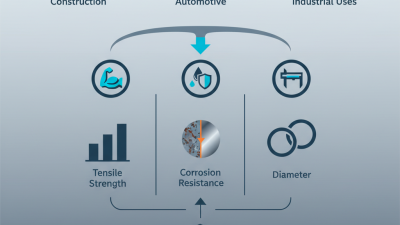
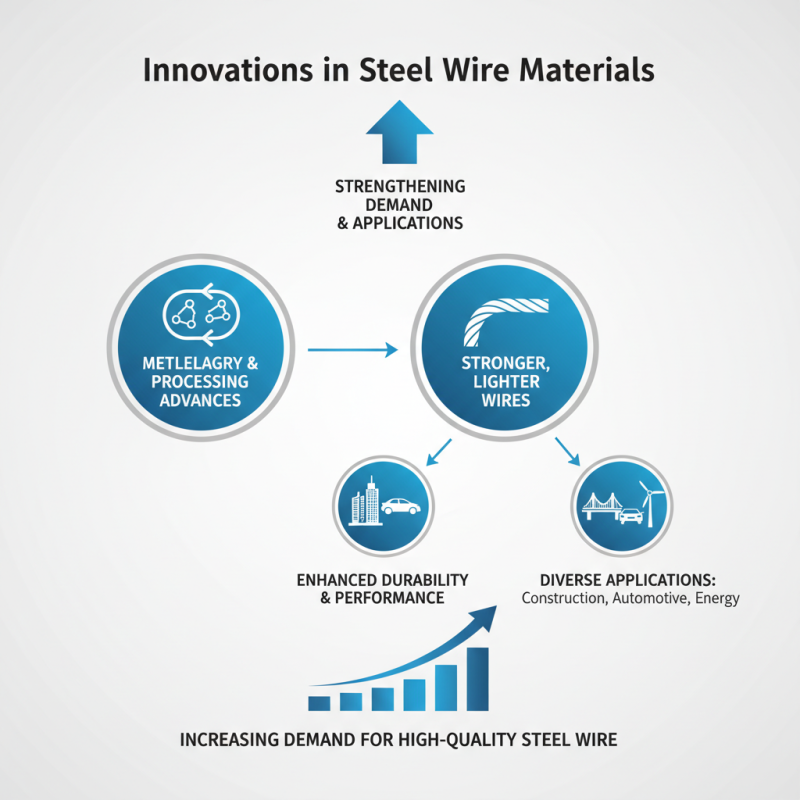
Innovations in steel wire materials are driving significant changes in the industry. Advances in metallurgy and processing techniques are forging stronger, lighter wires. These materials enhance durability and performance, making them suitable for diverse applications. From construction to automotive, the demand for high-quality steel wire is on the rise.
Sustainability is another crucial factor. The industry is exploring eco-friendly production methods. Businesses are focusing on reducing waste and energy consumption. Using recycled materials for steel wire production presents an opportunity. However, it requires careful management of supply chains to maintain quality.
The future of steel wire lies in smart technologies. Integrating IoT and digital monitoring into production processes could transform quality control. Yet, implementing these technologies presents challenges. Training workers and upgrading machinery can be expensive. The industry must balance innovation with practicality to realize these potential advancements.
Competitive Landscape: Major Players and Market Share Dynamics in 2026
The steel wire market is evolving rapidly. In 2026, market dynamics will reflect significant shifts among key players. Major producers dominate the landscape, holding substantial market share due to innovation and efficiency. According to a recent report by industry analysts, the top five companies control nearly 60% of the total market share. These players are investing heavily in advanced technologies to boost production capabilities and sustainability efforts.
Pricing strategies will also play a crucial role in shaping competitiveness. With fluctuating raw material costs, companies are constantly adjusting their pricing to maintain margins. A study indicates that pricing variability in the steel wire sector affects buyer decisions, leading to potential challenges for smaller manufacturers. These shifts prompt questions about long-term sustainability in maintaining competitive pricing without compromising on quality.
Additionally, geographical trends will influence market dynamics. Regions rich in natural resources are expected to see substantial industry growth. However, supply chain complexities may lead to unpredictable delays. As companies navigate these challenges, adaptability will emerge as a key strength. Global buyers need to stay informed to make strategic decisions in this competitive landscape.