How to Source High Quality Steel Products for Global Buyers?
In today's global marketplace, sourcing high-quality steel products is crucial for buyers. Melinda Moore, a renowned expert in metal sourcing, emphasizes, "Quality in steel products determines the success of global industries." With the increasing demand for durable materials, buyers face challenges in identifying reliable suppliers.
Many companies struggle with inconsistent product quality. Not every supplier meets the rigorous standards necessary for effective manufacturing. Buyers must evaluate potential suppliers meticulously. This process involves assessing certifications, previous work, and customer feedback. A successful sourcing strategy goes beyond price; it includes reliability and performance.
The journey to find high-quality steel products can be daunting. Buyers must navigate through a plethora of options, often leading to confusion. Prioritizing quality over cost alone is essential. It ensures not just immediate satisfaction, but sustainable long-term partnerships. Understanding these dynamics can make the difference between success and failure in a competitive market.

Understanding the Importance of High-Quality Steel Products
High-quality steel products are essential in various industries. They ensure safety, durability, and longevity. Buyers must understand the importance of sourcing reliable materials. A single weak link in the supply chain can lead to significant issues. This can result in financial losses and compromised projects.
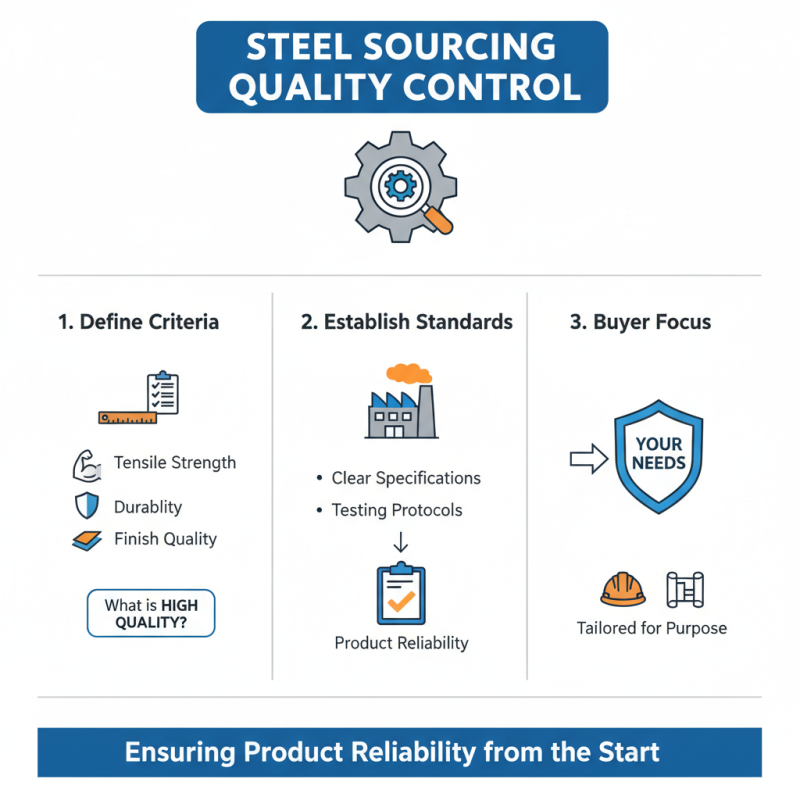
To identify high-quality steel, buyers should consider several factors. Certifications play a vital role in assessing quality. Inspections and tests verify that materials meet industry standards. Transparent suppliers often share results, enhancing trust. Buyers should ask for detailed documentation. Understanding the specifications required for projects is crucial.
Networking within the industry can also provide insights. Engaging with experienced professionals helps buyers make informed decisions. However, not all recommendations are infallible. It’s essential to critically evaluate each piece of advice. Continuous learning about trends in steel production benefits buyers. Keeping updated helps in recognizing quality indicators more effectively.
How to Source High Quality Steel Products for Global Buyers? - Understanding the Importance of High-Quality Steel Products
| Quality Attribute |
Description |
Importance |
Verification Method |
| Material Composition |
The specific elements and alloys used in steel production. |
Affects strength, durability, and corrosion resistance. |
Chemical analysis, material certificates. |
| Mechanical Properties |
Includes tensile strength, yield strength, and ductility. |
Critical for performance under load and stress conditions. |
Tensile testing and certified test reports. |
| Surface Finish |
The quality of the steel surface, including smoothness and coating. |
Affects aesthetics and resistance to corrosion. |
Visual inspection and surface treatment certifications. |
| Dimensional Accuracy |
Precision in the size and shape of the steel products. |
Ensures proper fit and function in applications. |
Measurement tools and dimensional inspection reports. |
| Certification Standards |
Compliance with international and industry-specific standards. |
Ensures reliability and safety of products. |
ISO certifications, compliance declarations. |
Identifying Reliable Steel Manufacturers and Suppliers Globally
Identifying reliable steel manufacturers and suppliers globally requires careful research. The steel industry is vast, with over 1,500 companies worldwide. According to the World Steel Association, global crude steel production reached 1.87 billion tonnes in 2022. This significant output indicates a saturated market with varying quality standards.
Evaluating companies based on certifications can streamline the sourcing process. ISO 9001 and ISO 14001 standards are benchmarks for quality management and environmental practices. By looking for these certifications, buyers can better ensure the reliability of their suppliers. Industry reports suggest that 70% of buyers consider quality and compliance essential when choosing suppliers. Nevertheless, not all brands uphold these standards consistently, risking product reliability.
Engaging with local industry experts can provide insights into trustworthy suppliers. Networking at industry events and trade shows is crucial. However, there can be hidden pitfalls. Some manufacturers may fabricate credentials or hide past issues. It is vital to conduct site visits and audits before finalizing partnerships. Trust but verify should be the guiding principle for sourcing high-quality steel products.
Global Steel Production by Region (2022)
Evaluating Certifications and Standards for Steel Products
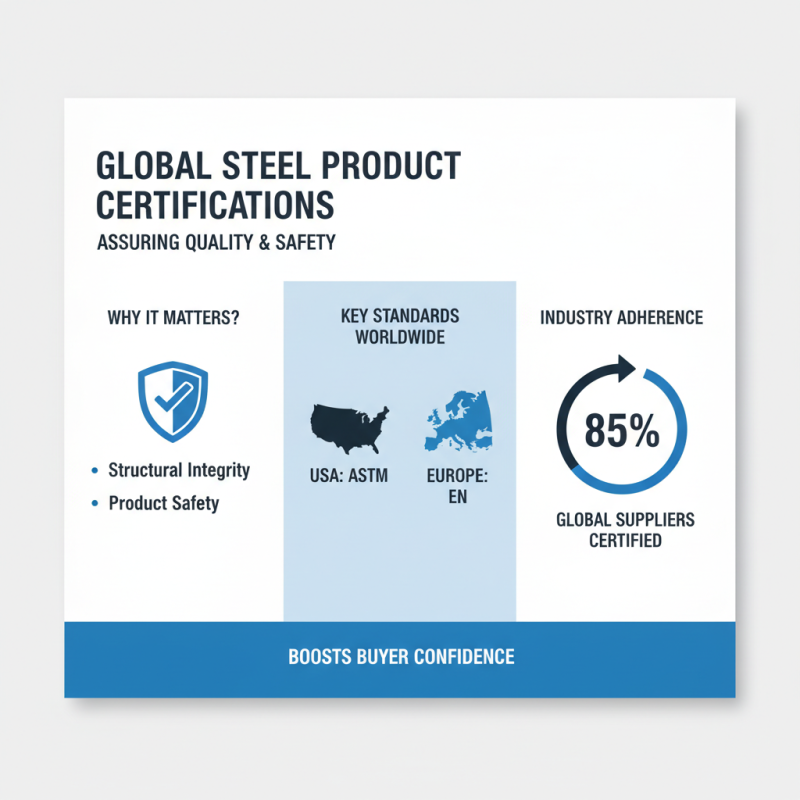
When sourcing high-quality steel products, understanding certifications and standards is crucial. Many countries have established their own norms for steel. These include ASTM in the USA and EN standards in Europe. Compliance with these standards assures buyers of the product's structural integrity and safety. A recent report indicated that 85% of global steel suppliers now adhere to these certifications, which can significantly elevate buyer confidence.
Additionally, the ISO 9001 certification is crucial for quality management systems. It facilitates the consistent delivery of quality products. Recent statistics show that companies with ISO certifications tend to have a 20% lower defect rate. This implies less risk for buyers. However, not all suppliers maintain these standards consistently. Conducting audits can help identify gaps in compliance.
Buyers should also be aware of the specific requirements in their region. For instance, certain industries, like automotive and aerospace, require higher standards. Maintaining a dialogue with suppliers can help in understanding their quality assurance processes. It is important to recognize that not all certifications are equal. Some may look good on paper but lack rigorous oversight. Therefore, diligent research is necessary to ensure the highest quality steel products.
Establishing Strong Relationships with Steel Suppliers
Building strong relationships with steel suppliers is essential for sourcing high-quality products. Start by understanding their capabilities.
Visit manufacturing sites and observe their processes. This firsthand experience provides insight into their operations. Engage in open communication. Discuss your specific requirements and ask about their quality control measures. This dialogue fosters trust.
Invest time in nurturing connections. Regular check-ins can help maintain relationships. Attend industry events to expand your network. Meet suppliers face to face, shaking hands and sharing ideas. Personal interactions can help build rapport. Consider sharing market insights with them. This approach shows that you value their expertise as well.
However, be aware that not all relationships will be smooth. Miscommunications may occur, or product quality could vary. Addressing these issues promptly is crucial. Be prepared to provide constructive feedback. Reflect on what went wrong and how to improve in the future. This continuous improvement mindset can enhance your collaboration with suppliers.