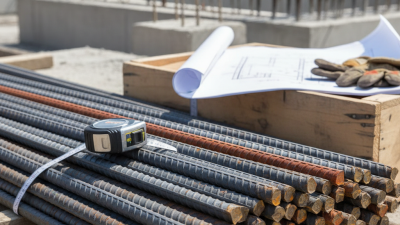
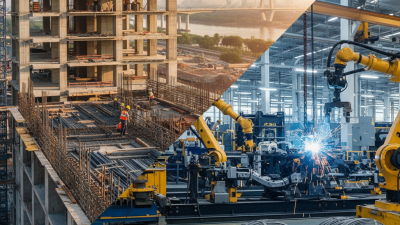
What is Industrial Rebar and How is it Used in Construction?
Industrial rebar is a crucial component in modern construction. It provides the necessary strength and support in concrete structures. Without it, buildings, bridges, and roads would lack stability. The choice of industrial rebar impacts project durability and safety.
Engineers and contractors rely on industrial rebar to ensure compliance with safety standards. The material's properties play a vital role in load-bearing capabilities. Different grades of rebar are available, each designed for specific applications. Selecting the appropriate type is essential for the longevity of the structure.
However, the use of industrial rebar is not without challenges. Variations in quality can occur, leading to potential issues during installation. Proper handling and placement are critical to maximize its effectiveness. Understanding these factors is key for professionals in the construction industry. Building strategies must adapt to ensure the integrity of structures using industrial rebar.
What is Industrial Rebar?
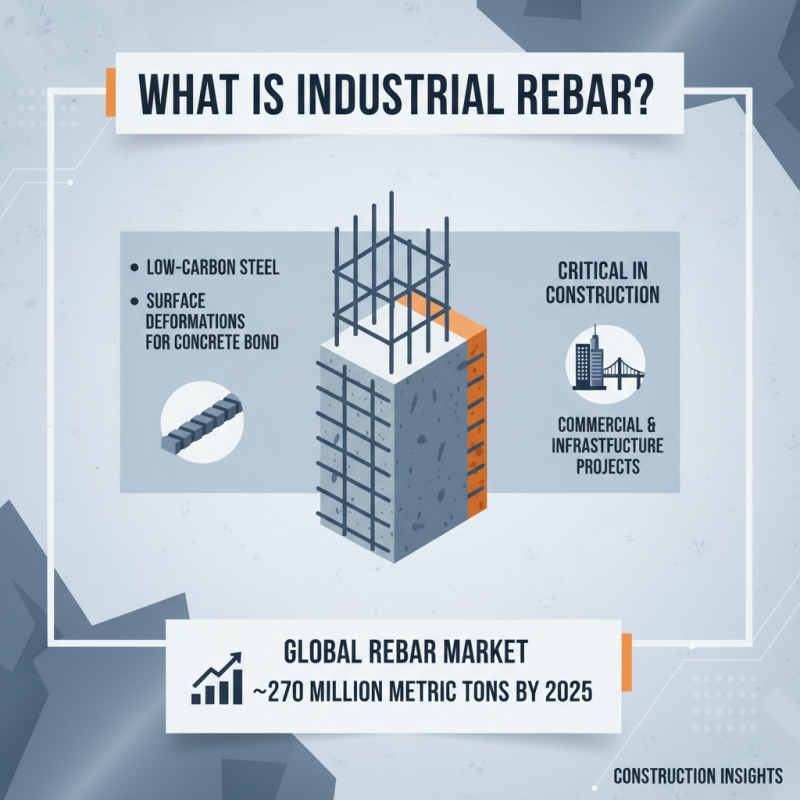
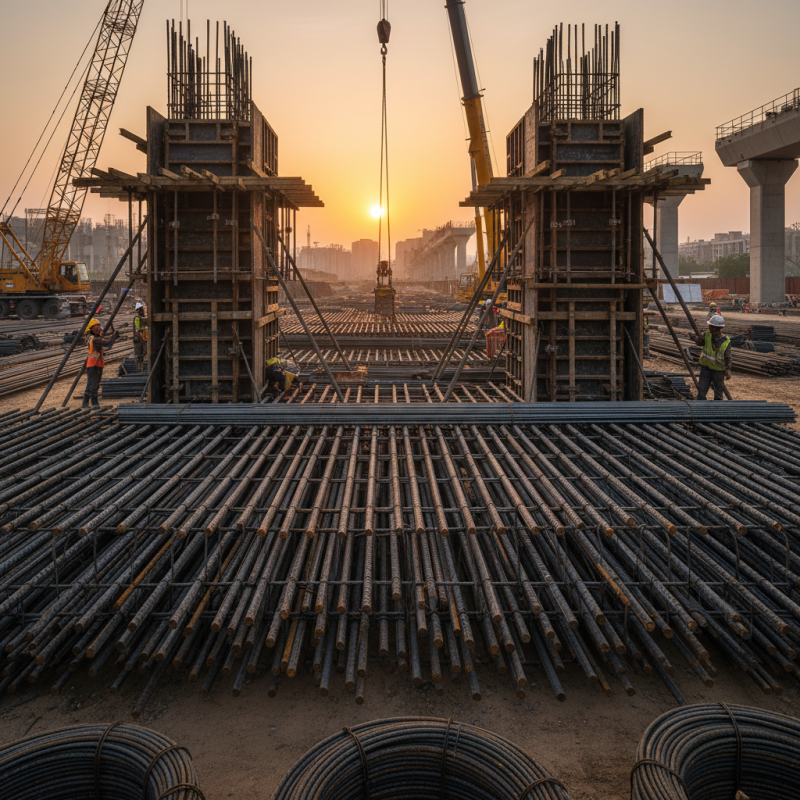
Industrial rebar, short for reinforcing bar, is a critical component in construction. It's made from low-carbon steel and comes in various shapes and sizes. Typically, rebar features surface deformations to enhance the bond with concrete. According to industry data, the global rebar market will reach approximately 270 million metric tons by 2025, reflecting the growing demand in commercial and infrastructure projects.
Rebar's primary purpose is to strengthen concrete structures. Concrete is excellent in compression but weak in tension. Industrial rebar compensates for this weakness. It improves the overall structural integrity of buildings, bridges, and roads. The concrete and rebar work together to withstand various stresses, ensuring durability and safety. However, choosing the right type and size of rebar is essential. Installation errors can lead to structural failures.
Tips: Always consult with a structural engineer before selecting rebar. Understand load requirements for your specific project. Regular inspections during installation are crucial. Tiny errors can lead to costly repairs. Industrial rebar is a vital element in modern construction, enhancing strength where it's often overlooked.
Properties and Characteristics of Industrial Rebar
Industrial rebar, or reinforcement bar, is commonly used in construction. It primarily adds strength to concrete structures. The properties of industrial rebar make it an essential component for various construction projects. These bars are usually made from steel, providing significant tensile strength. They also come in different sizes and grades, suitable for various applications.
One key property is ductility. This allows rebar to bend without breaking, accommodating stress in structures. Additionally, industrial rebar has a ribbed surface. This design enhances bonding with concrete, improving overall stability. Corrosion resistance is another critical characteristic, as it prolongs the lifespan of structures.
Tip: When choosing rebar, consider environmental factors. Corrosive elements can significantly impact its longevity.
Another aspect to consider is the weight-to-strength ratio. While heavier bars might seem stronger, they can complicate handling and installation. Selecting the right size is vital. It is essential to assess the structural requirements before making a purchase.
Tip: Always consult with a structural engineer. Their expertise ensures the right rebar type is used for each project. Failing to do so can lead to costly mistakes.
Usage and Properties of Industrial Rebar in Construction
This bar chart illustrates the key properties of industrial rebar used in construction, highlighting its tensile strength, yield strength, ductility, and corrosion resistance. These properties are critical for ensuring the structural integrity and longevity of concrete structures.
Common Applications of Industrial Rebar in Construction
Industrial rebar, or reinforcing steel bar, plays a crucial role in construction. It enhances the strength and stability of concrete structures. Rebar is especially common in large-scale projects, such as bridges and high-rise buildings. According to a report by ResearchAndMarkets, the global market for rebar is expected to grow significantly, driven by urbanization and infrastructure needs.
In terms of applications, rebar is often used in the foundations of structures. It provides tensile strength that concrete alone cannot. Its incorporation in slabs and beams ensures durability. For instance, a typical high-rise building may require hundreds of tons of rebar. This detail emphasizes the scale of modern construction. Challenges exist, such as corrosion and the need for precise placement during installation.
Rebar is also employed in highway construction and retaining walls. These applications demand high tensile strength and flexibility. Industrial rebar must meet rigorous standards. The American Society for Testing and Materials (ASTM) outlines these standards to ensure quality. However, not all projects adequately account for the environmental impact of using rebar, highlighting an area for improvement in construction practices.
What is Industrial Rebar and How is it Used in Construction?
| Application |
Description |
Benefits |
Common Sizes Used |
| Reinforced Concrete |
Used to strengthen concrete structures, increasing tensile strength. |
Enhanced durability, improved load-bearing capacity. |
#4 to #18 (13mm to 57mm) |
| Foundations |
Provides structural integrity for building foundations. |
Reduces risk of cracking and settling. |
#5 to #11 (16mm to 36mm) |
| High-Rise Construction |
Supports vertical load and provides stability to tall buildings. |
Essential for earthquake resistance and overall safety. |
#6 to #10 (19mm to 32mm) |
| Bridges |
Used in bridge decks to withstand heavy loads and environmental stress. |
Increased lifespan and reduced maintenance costs. |
#7 to #14 (22mm to 43mm) |
| Retaining Walls |
Helps in stabilizing earth and preventing soil erosion. |
Effective against lateral pressure, enhancing structural stability. |
#4 to #12 (13mm to 36mm) |
Installation Techniques for Industrial Rebar
Installation of industrial rebar requires careful planning and attention to detail. Rebar is typically placed in concrete to enhance tensile strength. Workers must measure and cut rebar accurately to fit the structural framework. Each piece should be properly anchored to ensure it serves its purpose. This often involves using ties or clamps to secure the rebar in place.
During installation, spacing is crucial. Proper spacing ensures that the rebar evenly distributes loads throughout the concrete. Installation teams often rely on guidelines, but site conditions can vary. Adjustments may be needed to accommodate unexpected obstacles. Moreover, workers must check that the rebar is clean and free from rust or debris. Each step impacts the overall integrity of the structure.
Using the right tools improves efficiency. For example, power tools can expedite the cutting process. However, safety remains a top priority. Workers must wear protective gear and follow safety protocols. Even experienced teams might face challenges, reminding them of the project’s complexity. These reflections can lead to better practices in future installations.
Benefits of Using Industrial Rebar in Building Projects
Industrial rebar, or reinforcing steel bars, plays a crucial role in construction projects. It adds strength and durability to concrete structures. The benefits are numerous, making it an essential material in modern building practices.
One major advantage is increased structural integrity. Rebar helps concrete withstand tension and shear forces. This is vital for buildings, bridges, and other infrastructures. Additionally, rebar is resistant to deformation. This property ensures that structures maintain their shape even under stress.
Tips: Always choose the correct diameter of rebar for your project. Smaller bars are often easier to handle but may not provide enough support. Collaborating with experienced engineers can prevent costly mistakes.
Another benefit is the cost-effectiveness of using industrial rebar. While the initial investment may seem high, the long-term savings on maintenance and repairs are significant. Properly reinforced structures last longer and require fewer resources over time.
Tips: Consider the project environment. Corrosive conditions may require special coated rebar, which can enhance longevity. Replace damaged rebar during renovations to ensure ongoing stability.