The Ultimate Guide to Choosing the Right Steel Building for Your Needs
In recent years, the demand for steel buildings has surged significantly, driven by their versatility, durability, and cost-effectiveness. According to a report by ResearchAndMarkets, the global steel building market is projected to reach
$122 billion by 2025, reflecting a compound annual growth rate of 7.6%. This trend is largely due to the increasing preference for sustainable construction practices, as steel buildings offer a
50% reduction in waste compared to traditional building methods and can be easily recycled. Additionally, steel structures are known for their resilience, able to withstand extreme weather conditions and seismic activities, making them a favored choice for both commercial and residential projects. As you explore your options for a steel building, understanding your specific needs is crucial, as it can significantly impact long-term functionality and investment value.
Top 5 Factors to Consider When Selecting a Steel Building for Your Purpose
When selecting a steel building for your specific needs, there are several key factors to consider that can significantly impact your decision. First and foremost, the purpose of the building plays a critical role in its design and functionality. Whether you require a structure for commercial, agricultural, or industrial use, understanding the specific requirements of your activities will guide you in choosing the appropriate dimensions and layout.
Another important consideration is the location of your steel building. The climate and environmental conditions in the area dictate the type of materials and construction methods that will ensure durability and stability. For instance, regions prone to heavy snow or strong winds may require additional reinforcements and specialized designs to withstand these elements. Additionally, local building codes and regulations should be taken into account to ensure compliance and avoid future modifications. By carefully evaluating these factors, you can make a well-informed decision that aligns with the long-term goals of your steel building project.
The Ultimate Guide to Choosing the Right Steel Building for Your Needs
7 Key Benefits of Steel Buildings Over Traditional Construction Methods
When considering construction options,
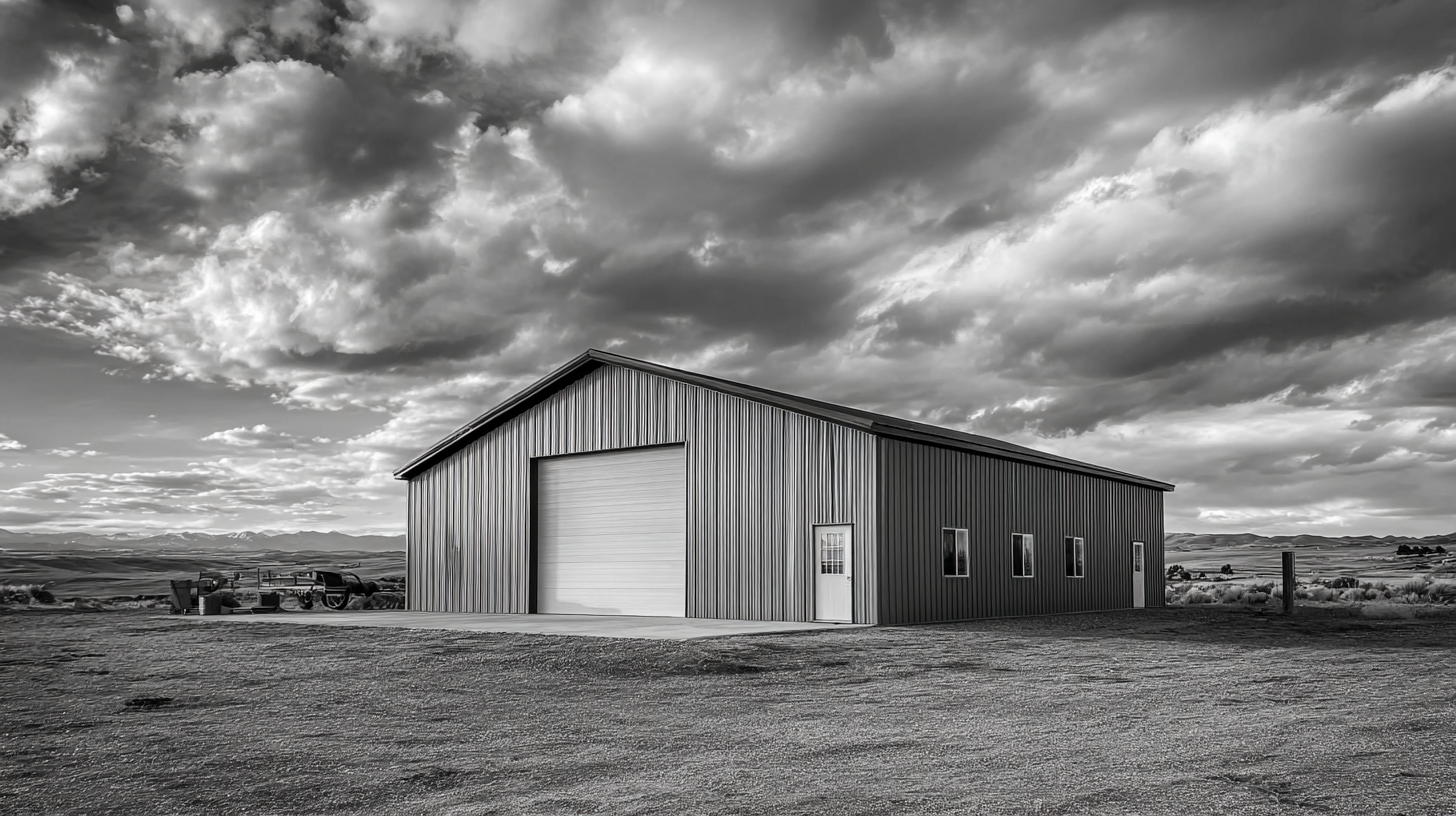
steel buildings
offer several advantages over traditional methods. One of the most notable benefits is their
durability. Steel structures are resistant to termites, rot, and other common issues that plague wood buildings. This longevity means less maintenance and lower long-term costs, making steel an economical choice for both residential and commercial projects.
Another key advantage of steel buildings is their
versatility in design. Unlike traditional construction materials, steel can be easily molded into various shapes and sizes, allowing for customized layouts that can adapt to evolving needs. Additionally, steel's lightweight nature facilitates quicker assembly times, helping projects stay on schedule and within budget. This
adaptability and efficiency make steel buildings a compelling option for anyone looking to invest in a new structure.
3 Essential Questions to Ask Before Purchasing a Steel Building
When considering the purchase of a steel building, asking the right questions is crucial to ensure it meets your specific needs.
Firstly, evaluate the intended use of the building. Will it serve as a workshop, storage space, or perhaps a commercial facility? Understanding the primary function helps in determining the size, layout, and additional features required.
It's essential to outline your needs clearly, as this will guide the selection process and prevent any costly alterations later on.
Another key question involves assessing the local building codes and zoning regulations. Each area has specific rules regarding the construction and use of buildings, which can influence your design options and necessary permits.
Familiarizing yourself with these regulations ensures that your project complies with local standards, thus avoiding potential legal issues or fines.
Lastly, consider your budget and financing options. Steel buildings can vary significantly in cost based on size, design, and customization. Establishing a clear budget at the outset can help narrow down choices and identify the most cost-effective solutions.
Exploring financing options, such as loans or leasing, may also provide greater flexibility, making the purchase more manageable without compromising on quality.
6 Design Options to Maximize Functionality in Your Steel Building
When considering the design of a steel building, choosing the right layout is crucial for maximizing functionality. One popular option is the open floor plan, which has been shown to enhance mobility and flexibility within the space. According to a report by the American Institute of Steel Construction, open designs can increase usable space by up to 20%, making it easier to adapt the building for various uses over time. This versatility proves essential for businesses that might scale operations up or down according to market demands.
Another effective design choice is incorporating large overhead doors. These features not only facilitate smooth vehicle access but also improve ventilation and natural lighting. Data from the Steel Framing Alliance suggests that buildings equipped with such openings can reduce energy costs by as much as 40%, thanks to enhanced airflow and reduced reliance on artificial lighting. Additionally, the strategic placement of windows can further support energy efficiency while providing an inviting atmosphere for both employees and clients. Embracing these design options can lead to a more functional and cost-efficient steel building tailored to your specific operational needs.
4 Common Misconceptions About Steel Buildings You Need to Know
When considering a steel building, it's crucial to debunk common misconceptions that may influence your decision. One prevalent myth is that steel buildings are not energy efficient. In fact, according to a report by the Steel Construction Institute, modern steel structures can be designed to meet or exceed energy efficiency standards when insulation and energy management systems are integrated. The ability to use high-quality insulation materials with steel framing can significantly reduce heating and cooling costs, making them a cost-effective and eco-friendly choice.
Another misconception is that steel buildings are only suitable for industrial uses. The reality is that steel structures offer versatility across various applications—residential, commercial, and agricultural. A study conducted by the American Institute of Steel Construction revealed that over 50% of steel buildings constructed in the last five years were used for non-industrial purposes. From car garages to sports arenas, the adaptability of steel buildings meets diverse architectural needs without compromising strength or durability. By understanding these misconceptions, prospective buyers can make more informed decisions that align with their specific needs.
The Ultimate Guide to Choosing the Right Steel Building for Your Needs
| Misconception |
Reality |
Key Benefit |
| Steel buildings are always more expensive than traditional materials |
Initial costs may be higher, but lower maintenance and insurance costs make them more cost-effective in the long run |
Long-term savings |
| Steel buildings are prone to rust and corrosion |
Modern steel buildings are treated and coated to prevent rust, ensuring a longer lifespan |
Durability and low maintenance |
| Steel buildings are ugly and lack aesthetic appeal |
Steel buildings can be designed in various styles and can be customized to fit aesthetic preferences |
Versatile design options |
| Steel structures cannot be insulated |
Insulation can be easily added to steel buildings, making them energy-efficient |
Energy efficiency |