How to Choose the Right Stainless Steel Chains for Your Needs?
Choosing the right Stainless steel chains can be challenging. Experts in the industry stress the importance of selecting the right type for your specific requirements. John Smith, a well-known stainless steel chains specialist, once remarked, "The right chain makes all the difference in performance and longevity."
Stainless steel chains come in various types and styles. Each type serves different purposes, from heavy lifting to decorative applications. Understanding the strength, flexibility, and corrosive resistance is vital. Did you know that not all stainless steel is created equal? Some chains offer better durability in harsh environments than others.
Reflecting on your specific needs can lead to better choices. Consider your environment. Will the chains be exposed to moisture or chemicals? How much weight will they carry? Taking the time to evaluate these factors can help you make an informed decision. In the stainless steel chains market, a thoughtful choice can prevent costly mistakes.
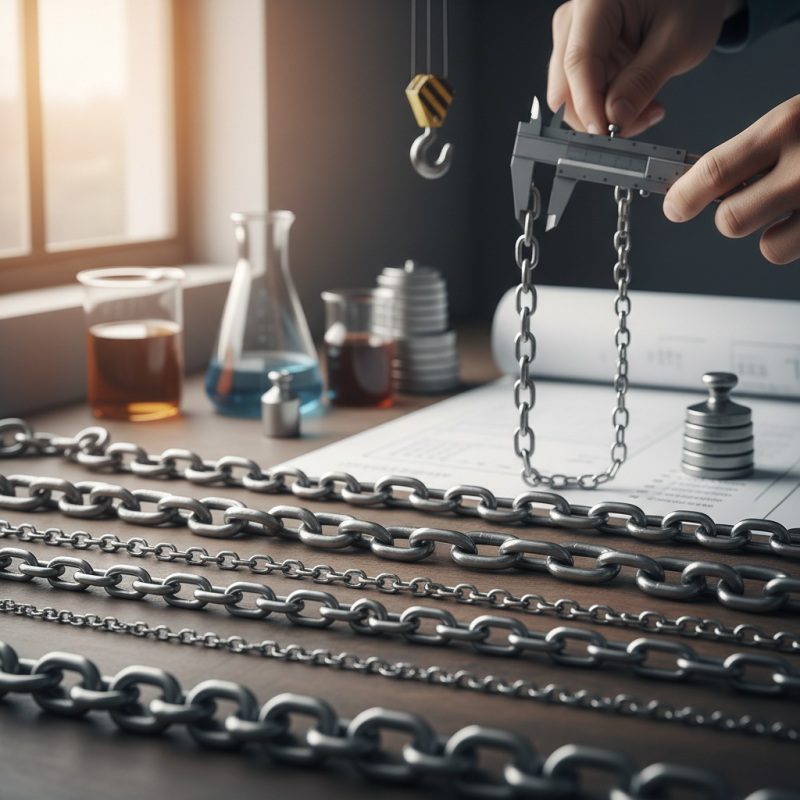
Types of Stainless Steel: Understanding Grades for Optimal Performance
When selecting stainless steel chains, understanding grades is essential. The most common grades include 304 and 316. Grade 304 is versatile and corrosion-resistant, making it suitable for many applications. It contains around 18% chromium and 8% nickel. This balance offers durability, but it may not withstand harsh environments.
Grade 316, on the other hand, contains molybdenum. This element increases resistance to pitting and crevice corrosion, especially in marine environments. It’s ideal for industries exposed to saltwater or chemicals. Reports indicate that using 316-grade stainless steel can result in a lifespan increase of up to 30% compared to 304 in such conditions.
Choosing the right grade impacts performance. Consider the specific environment where the chain will be used. A lower-quality chain in a corrosive environment might fail, leading to costly downtime. Ensure you weigh the material's properties against your needs. Some users overlook this, only to face premature replacements. A well-informed choice adheres to quality standards, enhancing longevity and reliability in operational tasks.
Key Factors in Selecting Stainless Steel Chains for Specific Applications
When choosing stainless steel chains, specific applications should guide your decision. Different industries demand unique features. For example, the food processing industry requires chains that are not only robust but also resistant to corrosion and easy to clean. In contrast, chains used in marine environments must withstand saltwater, which adds another layer of complexity.
Consider the size, grade, and type of stainless steel. Different grades offer varying levels of corrosion resistance. A304 offers general protection, while A316 provides superior resistance to salty conditions. Also, chain thickness impacts weight capacity and durability. A thicker chain might be necessary for heavy-duty tasks, while lighter chains are suitable for less demanding applications.
Evaluate the chain's design, including link shape and interconnectivity. Some chains are better suited for high-speed operations, while others excel in tension applications. It's vital to match the chain configuration with your specific use case. Misjudging these factors can lead to premature wear or even failure, prompting a reevaluation of your selection process.
Load Capacity and Strength: Assessing Weight Tolerance in Chains
When selecting stainless steel chains, load capacity and strength are essential factors to consider. Different applications demand chains with specific weight tolerances. According to industry reports, steel chains can typically carry loads ranging from 100 to over 10,000 pounds, depending on their gauge and design. It’s crucial to select a chain that can safely handle the maximum weight it will encounter.
Assessing the tensile strength is vital. For example, a chain with a tensile strength of 2,500 pounds can generally support a working load limit (WLL) of 500 pounds. This ratio is important for safety. If underestimated, the consequences could be hazardous. Always check the manufacturer’s specifications.
Tip: Look for chains with higher WLL ratings than you think you need. This accounts for unexpected stress and provides a safety margin.
Consider the environment as well. Chains used in corrosive settings may see reduced performance. Stainless steel is better suited to resist rust, but the grade can impact strength. Investing in a higher grade may save money in the long run.
Tip: Evaluate the specific conditions where the chain will be used. Exposure to the elements can significantly affect load capacity.
It's essential to weigh both load capacity and environmental factors when choosing chains. Some choices made in haste may lead to overloading or premature wear. Always prioritize safety and longevity in your selection process.
Corrosion Resistance: Choosing the Right Finish for Environmental Conditions
When selecting stainless steel chains, the finish is crucial for corrosion resistance. Different finishes influence how the chains react to environmental conditions. For example, polished finishes are visually appealing but may not offer the best protection against harsh elements. In contrast, passivated finishes enhance the chain's resistance to oxidation and corrosion. These processes can extend the life of the chains significantly.
Consider the environment where the chains will be used. If the chains are exposed to saltwater, a higher-grade stainless steel is necessary. This tougher material withstands the corrosive effects of harsh conditions better than standard options. Sometimes, even a well-selected chain can succumb to rust if not properly maintained. Regular cleaning and inspections help in early detection of potential issues, ensuring longevity.
Reflecting on your specific needs is vital. Each application may have unique exposure risks. You might find that a chain that works in one setting fails in another. Therefore, testing your chosen chain in its intended environment can provide valuable insights. Make sure to assess and possibly adjust based on your experiences.
Maintenance Practices for Stainless Steel Chains: Ensuring Longevity and Safety
Maintaining stainless steel chains is crucial for their longevity and safety. Regular cleaning is the first step. Remove dirt and grime with warm soapy water and a soft brush. This prevents corrosion and keeps the chain functioning smoothly. It’s essential not to use harsh chemicals, as they can damage the chain’s surface.
Lubrication is another vital practice. Applying a suitable lubricant helps reduce friction and wear. Choose a lubricant designed for stainless steel. A thin layer is often enough. However, over-lubricating can attract dirt, which may lead to other issues.
Inspecting the chain regularly is equally important. Look for signs of wear or corrosion. Small rust spots can escalate into more significant problems if not addressed quickly. Keeping a maintenance log might help identify wear patterns. While these practices seem straightforward, missed details can lead to costly repairs or replacements down the line. Regular reflection on your maintenance approach can enhance both performance and safety.
How to Choose the Right Stainless Steel Chains for Your Needs? - Maintenance Practices for Stainless Steel Chains: Ensuring Longevity and Safety
| Criteria | Description | Maintenance Tips |
| Material Grade | Common grades include 304 and 316, with 316 being more resistant to corrosion. | Choose the right grade based on environmental exposure, especially in marine or chemical applications. |
| Chain Size | Size impacts load capacity and application suitability. | Regularly inspect for wear and ensure the correct size for your application to prevent failure. |
| Finish Type | Polished, brushed, or galvanized finishes can enhance visual appeal and corrosion resistance. | Keep chains clean and free from contaminants to maintain finish integrity. |
| Load Capacity | Ensure the chain can handle the required load without exceeding its limit. | Perform regular inspections and consider a safety margin in load calculations. |
| Lubrication Needs | Proper lubrication reduces wear and enhances performance. | Follow manufacturer guidelines for lubrication intervals and types. |
