How to Choose the Right Aluminium Profile Extrusion for Your Needs?
Choosing the right Aluminium Profile Extrusion can significantly impact your project’s success. John Smith, an expert in the industry, once said, "Selecting the correct extrusion can change everything." His insight reflects the importance of making informed choices.
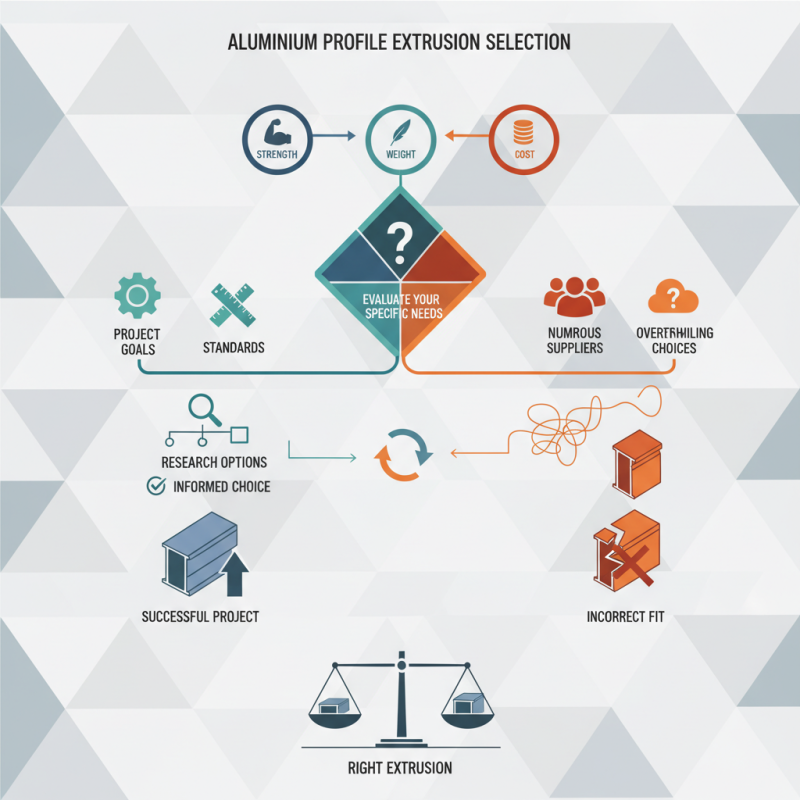
When considering Aluminium Profile Extrusion, many factors come into play. You need to evaluate your specific needs, like strength, weight, and cost. Each profile has distinct characteristics suitable for unique applications. Understanding these differences is crucial.
However, the choices can be overwhelming. There are numerous suppliers and types of extrusions available. Some options may seem appealing but might not fit your requirements. Reflect on your project's goals and standards to make the best decision.
Types of Aluminium Profiles and Their Applications
When selecting aluminium profiles, understanding the types available is crucial. Common profiles include angles, channels, tubes, and bars. Angles can provide support and join materials together effectively. Channels often serve structural purposes, while tubes are versatile for various applications. Bars are typically used for custom fabrications. Each type has distinct advantages based on its shape and strength.
The applications of these profiles vary widely. For construction, aluminium angles can reinforce structures. In manufacturing, channels are often used in conveyor systems. Tubes are favorable for frames in vehicles and equipment. Bars might find their place in furniture design or industrial fixtures. Reflect on your specific needs; consider durability, load-bearing capacity, and fabrication possibilities.
Choosing the correct profile isn't always straightforward. Misjudging the required specifications can lead to issues in installation or, worse, structural failures. It’s essential to consult with professionals or leverage industry resources. Consider all factors, including environmental conditions and intended use. Making informed choices will ultimately save time and resources.
Key Factors to Consider When Selecting Aluminium Extrusions
When selecting aluminium profile extrusions, several key factors should guide your choice. First, consider the intended application. Extrusions used in construction, automotive, or consumer goods can differ greatly. Data from the Aluminium Association indicates that the construction sector accounts for over 30% of aluminium usage, highlighting the importance of tailored solutions for specific industries.
Next, understand the mechanical properties needed for your project. Tensile strength, corrosion resistance, and weight are essential factors. Different alloys, such as 6061 and 6063, offer varying strengths and finishes. Research shows that the right selection can increase longevity by up to 25%. However, the choice of profile shape also affects performance; custom shapes can optimize the extrusion for specific tasks but may increase production costs and lead time.
Finally, don't overlook the importance of sourcing from reputable suppliers. Quality control processes and compliance with industry standards are critical. Certification from organizations like ISO can ensure the material meets safety and reliability benchmarks. However, even highly rated suppliers may have inconsistencies, so always ask for detailed reports before making a commitment. The right extrusion should balance performance, cost, and supplier reliability to meet your unique needs.
Understanding the Manufacturing Process of Aluminium Profiles
The manufacturing process of aluminium profiles begins with raw aluminium ingots. These ingots are heated and then pushed through a die. This transforms them into long shapes, which can be cut into various lengths. The heat is crucial. It ensures the right consistency and strength in the final product.
After extrusion, the profiles undergo cooling. This process can be done using air or water. During this stage, the metal must not cool too quickly, or it might warp. Once cooled, the profiles are trimmed and undergo further finishing processes. Techniques such as anodizing or powder coating add durability and aesthetic appeal. Each step requires precision to maintain quality.
However, challenges can arise. Variations in temperature may lead to inconsistencies in the profile shape. Additionally, impurities in the aluminium can affect the final product's strength. Manufacturers must remain vigilant and continuously monitor the process. This ensures that the profiles meet industry standards and client expectations. Understanding these intricacies helps in choosing the right aluminium profiles for specific applications.
Comparing Cost and Quality in Aluminium Extrusion Choices
When selecting an aluminium profile extrusion, both cost and quality play critical roles. A lower cost may initially appear attractive, but it can hide significant long-term expenses. Cheap extrusions often compromise on strength and durability. This factor can lead to failures in projects, resulting in more replacements and repairs. Investing in better quality extrusions can ultimately save money and time.
Quality materials can enhance the performance of the final product. They have a consistent surface finish and precise dimensions, which simplify assembly. Low-quality extrusions may lead to misalignment and wasted resources. Additionally, they may not withstand environmental conditions effectively, decreasing their lifespan. It’s essential to evaluate the long-term benefits of quality versus the immediate savings of lower-cost options.
Finding the right balance requires careful consideration. Look for suppliers with a solid reputation for quality. They should offer transparent information about their materials and processes. Asking for samples or conducting stress tests might reveal more about the actual performance. Reflection on past projects can guide this decision too. Learning from previous experiences ensures better choices moving forward.
Customization Options for Specific Project Requirements
When selecting the right aluminium profile extrusion, customization plays a vital role in meeting specific project requirements. The ability to tailor dimensions, shapes, and finishes can greatly enhance functionality and aesthetic appeal. According to a recent industry report, 68% of companies see significant benefits from customized profiles. This indicates a strong trend toward bespoke solutions that align with operational needs.
Manufacturers are now offering a variety of customization options, including unique cross-sections and alloy selections. These choices can impact strength, weight, and corrosion resistance. For instance, marine-grade aluminium is increasingly popular for projects near water due to its durability. However, the manufacturing process can be complex, and clients must communicate their requirements clearly to avoid misunderstandings.
There are challenges with custom extrusion. Not all designs can be practical or cost-effective. Some may require additional tooling, resulting in higher initial costs. When deciding on customization, it’s essential to weigh these factors against project budgets and timelines. Striking a balance between creativity and feasibility often leads to the best outcomes.