How to Choose the Right 1 Pole Circuit Breaker for Your Needs?
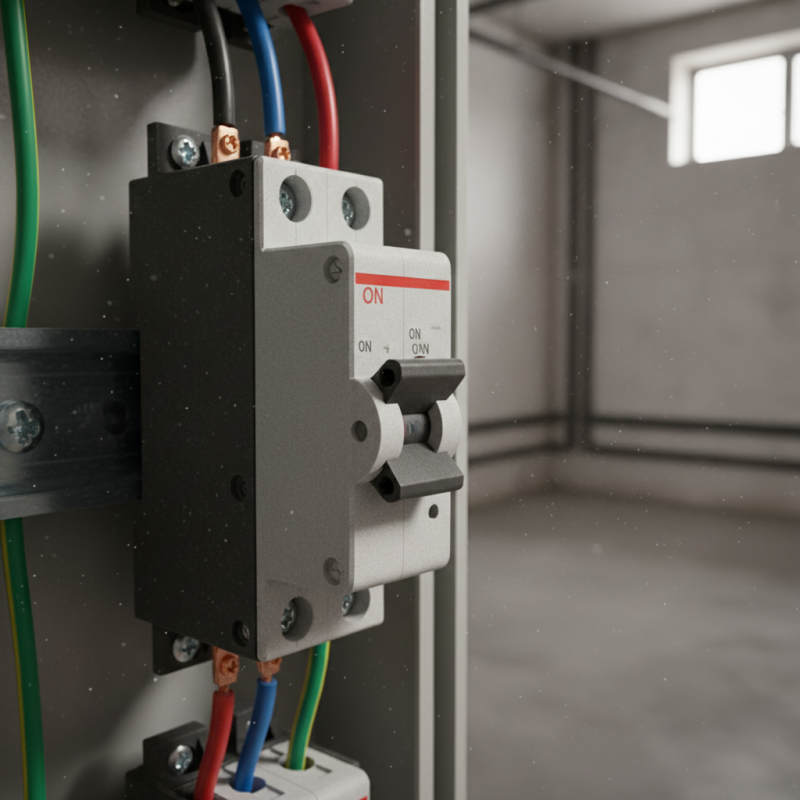
Choosing the right 1 Pole Circuit Breaker can feel overwhelming. Many factors determine the right fit for your needs. A 1 Pole Circuit Breaker serves as a crucial component in your electrical system. It protects circuits from overloads and short circuits.
When selecting a 1 Pole Circuit Breaker, consider your specific requirements. Think about the voltage and amperage. You may find yourself confused by the technical jargon. The choices seem endless, from brands to specifications. It's important to take the time to understand these details.
Every installation is unique. Your breaker needs may not align with another's. Misunderstanding could lead to inadequate protection. You'll want to avoid costly mistakes. Reflect on your project's demands and consult experts if needed. Making the right choice can safeguard your home or business effectively.
Understanding the Basics of 1 Pole Circuit Breakers
When selecting a 1 pole circuit breaker, it’s essential to grasp some fundamental concepts. These devices protect electrical circuits from overloads and short circuits. They function by interrupting the current flow when the electrical demand exceeds the breaker’s rating. The National Electrical Manufacturers Association suggests that understanding the load requirements can significantly impact safety and efficiency.
Choosing the right amperage is critical. According to a 2021 industry report, improperly sized breakers can lead to equipment damage or even fire hazards. Most residential circuits require breakers rated between 15 to 20 amps. Consider your electrical appliances and lighting to gauge your needs.
Tip: Regularly assess your circuit requirements. As homes grow, demands change.
Wiring also plays a vital role. The gauge of the wire should match the breaker’s amperage. A mismatch can lead to ineffective circuit protection. The National Fire Protection Association states that improper wiring is a leading cause of electrical fires.
Tip: Seek professional advice when in doubt. A knowledgeable electrician can help ensure your system functions safely and effectively.
Identifying Your Electrical Load Requirements
Choosing the right 1 pole circuit breaker begins with understanding your electrical load requirements. Assess what appliances and devices you plan to power. Each item has a specific wattage. For instance, a standard light bulb might require 60 watts, while a microwave can need up to 1200 watts. Calculating the total load helps you make informed decisions.
Consider the sum of your devices. Add their power ratings together. Ensure this total remains below the circuit breaker’s capacity. This often hovers around 15 or 20 amps for standard applications. Remember that not all devices use power consistently. Some items, like refrigerators, have higher startup requirements. This fluctuation demands careful consideration.
Lastly, be aware that your needs can change. Maybe you plan to add more devices later. An underpowered circuit might trip frequently. This not only disrupts your service but risks damaging your appliances. A little overcapacity might save you headaches down the line. Evaluate your current usage, but also keep future expansion in mind. It’s a balancing act that deserves your attention.
Evaluating Breaker Compatibility with Your Electrical System
When evaluating breaker compatibility with your electrical system, it's crucial to consider several factors. The system's voltage rating must align with the circuit breaker's specifications. Common residential voltages include 120V, 240V, and even 480V for specialized systems. A mismatch can lead to inefficiency or electrical fires. Ensure the breaker's amperage matches the load requirements, typically based on the appliances connected.
Additionally, assess the physical size of the breaker. Standard panels have specific space limitations. A circuit breaker that is too large may not fit. Professional reports suggest that improper sizing can reduce a system's lifespan by 30%. Amperage ratings must also reflect the overall load. Load calculations should ideally be undertaken by a certified electrician to prevent overloading. Many homeowners overlook this.
Consider the breaker type needed for the application. Standard breakers may not suffice in areas with heavy machinery. GFCI and AFCI breakers offer protection against ground faults and arc faults, respectively. A 2018 study indicated that using AFCI breakers reduced residential electrical fires by 25%. Compatibility extends beyond just amperage and voltage; it also involves understanding your electrical environment. For instance, older homes may require specific types to match their retrofitted systems. Always ensure compatibility is fully evaluated before making a purchase.
How to Choose the Right 1 Pole Circuit Breaker for Your Needs?
| Breaker Type | Amperage Rating | Voltage Rating | Trip Curve | Compatibility |
| Standard | 15A | 120V | B Curve | Residential |
| GFCI | 20A | 120V | A Curve | Wet Locations |
| Dual Function | 30A | 240V | C Curve | Commercial |
| Arc Fault | 15A | 120V | B Curve | Living Areas |
Assessing the Safety Ratings and Certifications of Breakers
When selecting a 1 pole circuit breaker, safety ratings and certifications are crucial. These ratings ensure that the breaker can handle overloads and short circuits. A higher safety rating often indicates better quality and reliability. Look for breakers with certification marks from recognized organizations. These marks show adherence to certain safety standards.
Different applications require different safety features. For example, residential breakers might not need the same ratings as those used in industrial settings. Consider the environment too. Will the breaker be exposed to moisture or dust? These factors can affect performance.
It's essential to do proper research. Some breakers may look robust but lack proper certifications. An uncertified breaker poses risks. A failure could lead to electrical fires or damage. Learn to read the specifications closely. Take time to understand what each rating means. An informed choice not only enhances safety but also longevity.
Considering Brand Reputation and Warranty Details
When selecting a one pole circuit breaker, brand reputation is critical. Companies with a solid track record often provide better reliability and customer service. According to a report from the Electrical Engineering Association, brands with a strong reputation saw a 30% lower failure rate compared to lesser-known names. This data emphasizes the importance of choosing a trusted brand for your electrical safety needs.
Warranty details can also indicate quality. A longer warranty typically signifies greater confidence from the manufacturer. Many reputable brands offer warranties ranging from five to ten years. This can reassure consumers about the product's durability. Yet, it’s essential to read the fine print. Some warranties may have exclusions or specific requirements.
It's worth noting that not all well-known brands meet expectations. Some may focus on marketing over product quality. Negative reviews can sometimes indicate deeper issues. Researching customer experiences can reveal vulnerabilities. It's a significant step that many overlook. Ensuring that a brand addresses common issues can save you from future headaches. Be aware that the lowest price may come with hidden risks, and a potential higher cost could be worthwhile for peace of mind.