How to Choose the Best Steel Line for Your Needs?
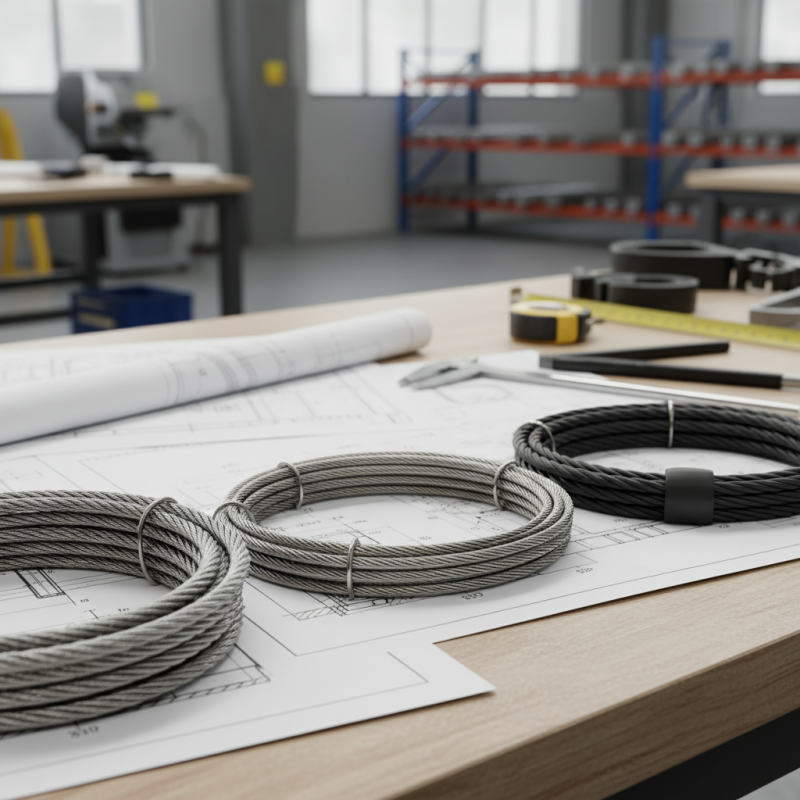
Choosing the right steel line for your project is crucial. The quality of that steel line can significantly impact your work. It affects strength, durability, and overall performance. Understanding your specific needs is the first step.
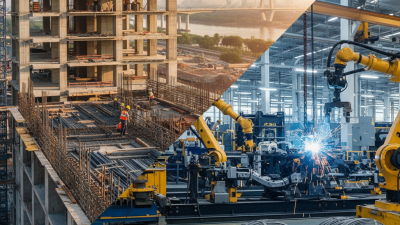
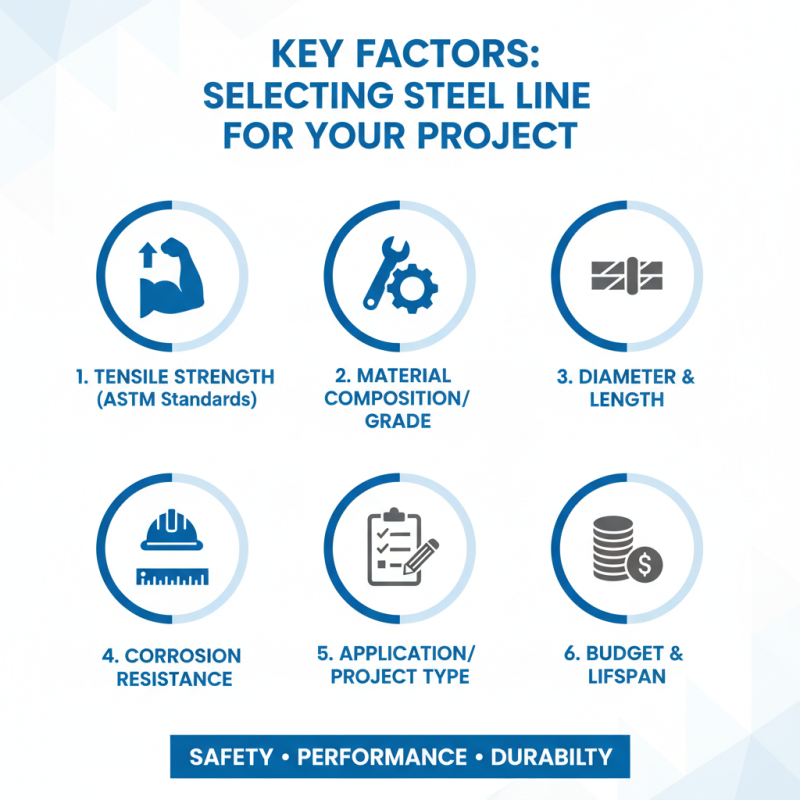
Different applications require different types of steel lines. Whether you need it for construction, automotive, or manufacturing, the right choice matters. Consider the tensile strength and corrosion resistance. These factors play a vital role in ensuring safety and efficiency.
The market offers various options, making it challenging to find the best steel line. Research and experience are essential here. Engaging with experts can provide valuable insights. Reflect on previous choices made and their outcomes. This practice can lead to better decision-making in the future. Selecting the perfect steel line is not just a task; it’s an investment in quality and reliability.
Understanding Different Types of Steel Lines: A Comprehensive Overview
When selecting a steel line, it’s crucial to understand the various types available. Steel lines are categorized based on their composition, strength, and intended use. For example, stainless steel offers better corrosion resistance, making it ideal for marine applications. Galvanized steel, on the other hand, is coated for added protection against rust, suitable for outdoor uses.
Tips: Consider the specific environment in which your steel line will be used. Will it be exposed to moisture? Choose stainless steel. If budget constraints affect your decision, galvanized options might be more viable.
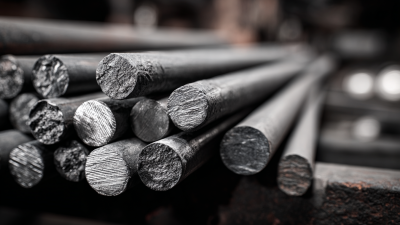
Different steel lines come with distinct characteristics. Carbon steel generally provides high strength and is often used in construction and manufacturing. However, it lacks the rust resistance of other options. Always assess your priorities, such as strength versus corrosion resistance. Reflecting on your needs could lead you to choose less conventional materials that still meet your requirements.
Tips: Don’t just focus on strength. Think about flexibility and ease of installation. Sometimes a weaker line can be more efficient for your project. Take the time to weigh all factors before making a decision.
Material Specifications: Assessing Strength, Flexibility, and Durability
When selecting steel lines, understanding material specifications is crucial. Strength, flexibility, and durability are the key factors to consider. Steel’s tensile strength varies greatly. For instance, high-strength steel can exceed 1,000 MPa, making it ideal for demanding applications. However, this strength often comes at the expense of flexibility. It is vital to strike a balance between these properties based on intended use.
Flexibility plays a significant role, especially in applications where stress and strain are common. Certain steel alloys, such as those with higher chromium content, tend to have improved ductility. This can prevent unexpected failures. Data suggests that using materials with a tensile ductility of at least 12% enhances performance. On the flip side, durability is often overlooked. Steel susceptible to corrosion can weaken structures over time. Regular inspections and treatments are essential to maintain longevity.
Choosing the right steel line also involves cost considerations. Sometimes, higher-strength materials demand a premium price. However, investing in superior materials can reduce maintenance costs in the long run. Evaluating whether cheaper options might compromise safety is critical. Balancing these factors requires careful reflection on project requirements and potential trade-offs.
Industry Standards and Certifications for Steel Lines: What You Need to Know
When it comes to selecting steel lines, understanding industry standards and certifications is crucial. Numerous organizations set benchmarks. These standards ensure safety, durability, and performance. Look for certifications like ISO, ASTM, or EN. They indicate that the steel has been tested and meets specific criteria. If the steel line lacks these certifications, it may not perform as expected.
Another factor to consider is the supplier's reputation. Research their history and customer experiences. A good supplier should have credible certifications and provide detailed product information. Don't hesitate to ask about the testing process. It's essential to ensure the steel lines you choose are not only up to standard but also reliable in practical applications.
Also, reflect on the specific requirements you have. The needs of a construction project differ from those in manufacturing. Assess the environment where the steel line will be used. Is it exposed to high temperatures or corrosive elements? Each scenario requires different certifications or standards. Proper evaluation ensures you do not overlook vital details in your decision-making process.
Steel Line Diameter Comparison
Cost Analysis: Budgeting for Quality Steel Line Solutions in Your Needs
When considering the budget for a quality steel line, it's essential to evaluate both immediate and long-term expenses. Steel lines vary widely in quality and price. Cheaper options may save money upfront but often lead to increased maintenance costs and replacements. It's vital to assess the durability and strength of the steel. The right choice can reduce operational costs over time.
Planning your budget should involve thorough research on local suppliers. Look at customer reviews and ratings. This can provide insights into the product's reliability. It helps to ask experts or consult resources that focus on material sciences. The initial investment may seem daunting, but remember, quality pays off.
Consider the implications of inexpensive materials on your project. Sometimes, cutting costs leads to greater losses down the line. Aim for a balance between cost and quality. A thorough analysis will guide you to make informed decisions. Your business deserves solutions that stand the test of time.