How to Choose the Best Hydraulic Pumps for Your Needs?
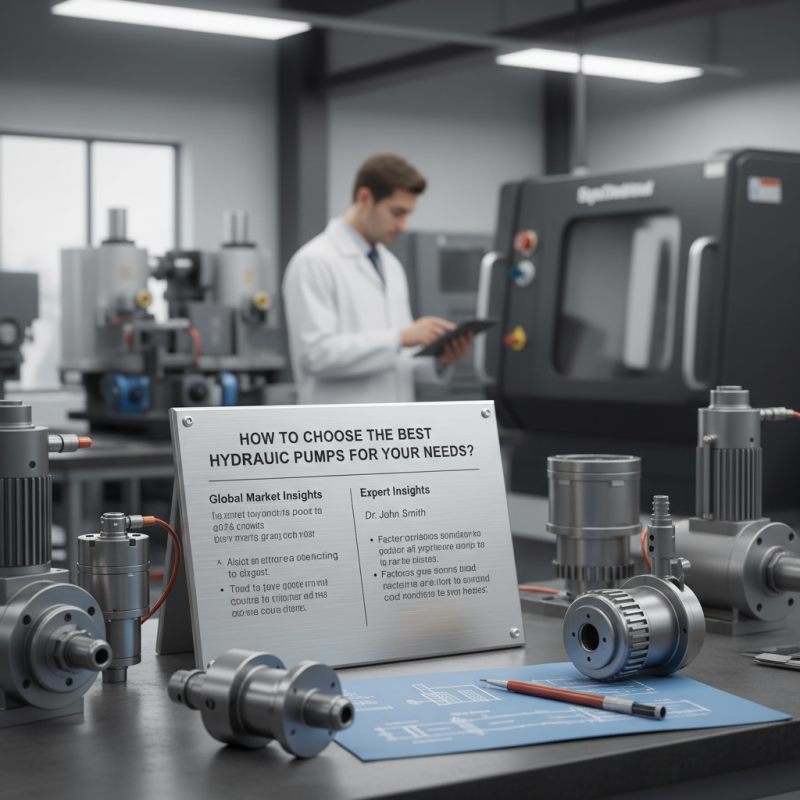
Choosing the right Hydraulic Pumps is crucial for optimizing efficiency in various applications. According to the "Hydraulic Pumps Market Report 2023" by Market Research Insights, the global hydraulic pump market is expected to reach $15 billion by 2030. This growth emphasizes the importance of understanding how to select hydraulic pumps effectively.
Renowned expert in hydraulic systems, Dr. John Smith, states, "Selecting the right hydraulic pump can make or break the efficiency of your operation." His insight reflects a common challenge in the industry. Many users often overlook critical specifications such as flow rate, pressure capacity, and type of fluid. Inadequate knowledge can lead to operational failures and increased costs.
The right hydraulic pump can significantly enhance productivity and reduce downtime. However, many businesses continue to face difficulties due to a lack of understanding. Hydraulic pumps may seem similar, but their performance varies widely. Assessing your needs requires careful consideration of specific requirements. By focusing on defined criteria, you can find a hydraulic pump that aligns with your goals.
Understanding the Different Types of Hydraulic Pumps Available
When selecting hydraulic pumps, understanding their types is crucial. There are various options available, each designed for specific applications. Gear pumps, for example, are simple and reliable. They work well for low-viscosity fluids. Their maintenance is straightforward, but they may struggle with high pressures.
Piston pumps offer higher efficiency and can handle a wide range of fluids. They are versatile but may require delicate adjustments. This can make them less user-friendly for beginners. Vane pumps bridge the gap between gear and piston types. They provide good performance for medium applications. However, they might not last as long under extreme conditions.
It's essential to assess your specific requirements. Consider factors like pressure, flow rate, and fluid viscosity. Tools and equipment vary widely in needs, so careful research is key. This decision process can be overwhelming, as there's no one-size-fits-all solution. It may lead to second-guessing your choice. Encouragingly, understanding these types is the first step to making an informed decision.
Evaluating Flow Rate and Pressure Requirements for Your Application
Choosing the right hydraulic pump starts with understanding flow rate and pressure requirements. Flow rate, measured in gallons per minute (GPM) or liters per minute (LPM), is critical to your application. An application demanding high flow rates, like hydraulic presses, requires robust pumps to maintain efficiency. Low flow applications, such as small machinery, can opt for less powerful pumps.
Pressure requirements are equally important. Identify the maximum pressure needed for your machinery. This will inform your pump selection, ensuring it can sustain the required pressure. A mismatch can lead to inefficiencies or, worse, damage the equipment.
It's essential to assess your system's demand; an over- or under-powered pump can have consequences. Measure everything from the heaviest loads to peak operational demands.
Evaluating these factors is not always straightforward. Real-world applications often display unexpected challenges. Changes in pressure or flow due to system wear and tear can alter initial requirements. Regular assessments and adjustments can be necessary. Always track performance and remain flexible with your equipment choices, as conditions evolve.
Assessing the Key Features and Specifications of Hydraulic Pumps
When selecting hydraulic pumps, understanding key features is crucial. Different applications require different specifications. Flow rate, pressure, and size are primary considerations. Proper flow rate ensures the system operates efficiently. It directly affects speed and power output.
Pressure ratings are equally important. A pump must handle the maximum pressure of your application. An inadequate rating may lead to failure or safety hazards. Size matters too; a compact pump can fit into tight spaces, but ensure it meets performance needs.
Consider accessories and compatibility as well. Hoses, fittings, and controllers should match the pump specifications. Poor matching can result in inefficiencies. Sometimes it’s easy to overlook these details. Reflecting on your specific needs might reveal shortcomings in your initial selection process.
Considering the Environmental and Operational Conditions for Pump Selection
When selecting hydraulic pumps, understanding environmental and operational conditions is crucial. These factors greatly impact pump efficiency and longevity. For instance, temperature fluctuations can affect fluid viscosity. In colder climates, hydraulic fluid may thicken. This can lead to pump wear and reduced performance.
Dust, moisture, and chemical exposure also deserve attention. Harsh environments can cause premature failure. It’s essential to use pumps that offer protective features. For example, consider seals and coatings designed for specific environments. This choice ensures reliable operation.
It’s important to evaluate your operational demands. Will the pump run continuously or intermittently? Consistent use may require heavy-duty options. On the other hand, occasional tasks might allow for more flexible solutions. Overestimating needs can lead to overspending without real benefits. Always reflect on both current and future requirements to make informed decisions.
Hydraulic Pump Selection Factors
This bar chart illustrates the essential factors to consider when selecting hydraulic pumps, such as pressure rating, flow rate, temperature range, viscosity, and energy efficiency. Ensure that selected pumps meet operational requirements and environmental conditions.
Comparing Cost and Maintenance Needs of Various Hydraulic Pumps
When comparing hydraulic pumps, cost and maintenance are essential factors. Various hydraulic pumps come with different price tags. Higher initial costs often reflect enhanced features and better durability. However, this doesn’t mean they are always the best choice for your needs. Some economical options provide reliable performance without the hefty investment. Researching multiple models helps in finding the right balance between price and functionality.
Maintenance needs vary significantly among hydraulic pumps. Some pumps require regular lubrication and filter changes. Others may need less frequent servicing, such as annual inspections. This difference can impact your overall costs in the long run. Keep in mind that maintenance schedules can be complex. A pump that appears cheaper upfront might end up costing more in upkeep. Assessing long-term reliability is crucial. Ideally, select a pump that fits well within your operational demands while minimizing maintenance efforts.
Understanding the nuances of cost versus maintenance helps in making informed decisions. Both aspects can influence operational efficiency. Pumps that are low-cost but high-maintenance can lead to unexpected downtime. This often results in loss of productivity. Reflecting on these factors ensures you choose a hydraulic pump that aligns with your business goals while minimizing disruptions. Balancing initial costs and ongoing maintenance can make all the difference.
How to Choose the Best Hydraulic Pumps for Your Needs?
| Pump Type | Cost ($) | Maintenance Frequency | Lifespan (Years) | Best Use Cases |
| Gear Pump | 250 | Every 6 months | 5-10 | Construction Equipment |
| Piston Pump | 500 | Annually | 10-15 | Industrial Machinery |
| Vane Pump | 300 | Every 9 months | 5-12 | Agricultural Equipment |
| Diaphragm Pump | 400 | Every 1-2 years | 8-12 | Chemical Processing |
| Screw Pump | 600 | Every year | 15-20 | Oil & Gas |
