How to Choose the Best Folding Door for Your Home?
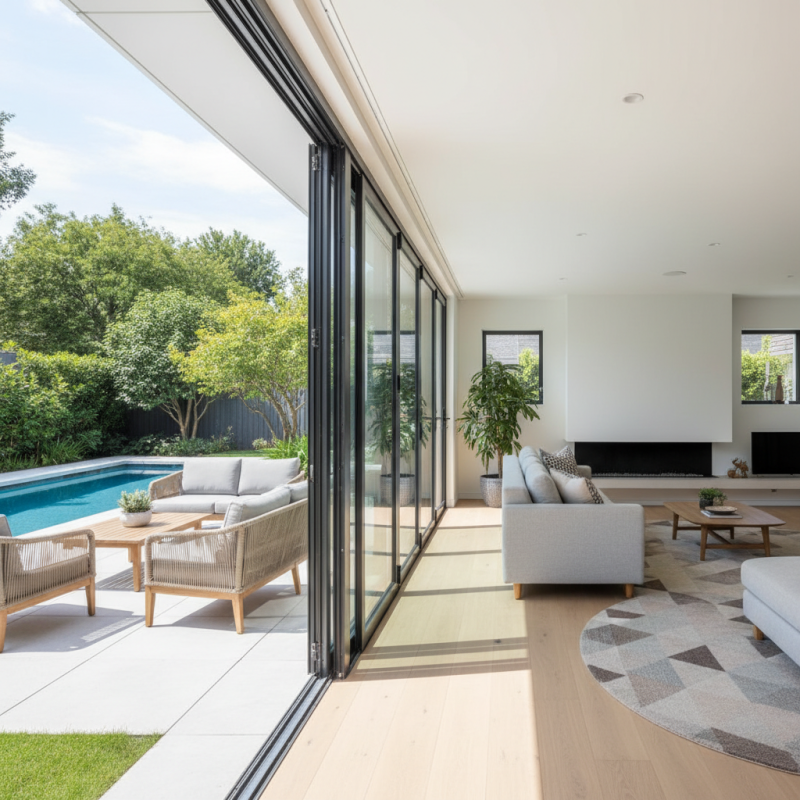
Choosing the right Folding Door for your home can be challenging. With so many styles and materials, it’s easy to feel overwhelmed. A Folding Door can enhance your space, making it feel larger and brighter. It seamlessly connects indoor and outdoor areas, creating an inviting atmosphere.
Consider your home's overall aesthetic. A well-chosen Folding Door complements your design while offering functionality. Think about the practical aspects as well. Will it withstand varying weather conditions? Is it easy to operate? These details matter more than you might expect.
Reflect on your lifestyle. Do you host gatherings often? A Folding Door can create an open space for entertaining. However, if not used wisely, it could disrupt your flow. There’s room for improvement in your decision-making process. Take your time to research, measure, and visualize before you commit.
Understanding Different Types of Folding Doors Available for Homes
Folding doors have become increasingly popular in modern homes. They not only enhance the aesthetic appeal of a space but also improve functionality. Understanding the different types available is crucial for making the best choice. According to recent industry reports, over 30% of homeowners prefer foldable options due to their versatility and space-saving features.
There are several types of folding doors to consider. Bi-fold doors are the most common. They consist of multiple panels that slide and fold to one side. These doors create an expansive opening, merging indoor and outdoor spaces. On the other hand, accordion doors focus on maximizing access while reducing the required space for operation. Unlike traditional doors, they allow for greater flexibility in layout.
Wood, aluminum, and vinyl are the common materials used. Each material offers unique benefits. Wood provides warmth and charm but may require more maintenance. Aluminum is durable and lightweight, yet it can be less energy-efficient. Vinyl offers a budget-friendly solution. However, choosing the right type often involves trade-offs. Homeowners should weigh durability against aesthetics and maintenance needs to find the best fit for their space.
Assessing the Space Requirements for Installing Folding Doors
When considering folding doors for your home, space requirements are crucial. Measure the area where you plan to install them. Take note of the height and width of the opening. Folding doors need adequate clearance to operate smoothly. A tight space can hinder their function.
Consider the layout of the room. Is there furniture close to the doors? Would it block their movement? Ensure that the doors can open and close without hitting anything. Visualize how they will fit in your existing decor. Sometimes, a beautiful design might not suit a cramped area.
Installation requires careful planning. The wall structure must be sturdy enough to support the door's weight. Check if there is enough room for the tracks. An uneven surface can create problems later on. Think about the alignment. Misalignment might lead to wear and tear over time. Take these details seriously, and it might save you from costly mistakes.
Folding Door Space Requirements Assessment
Evaluating Materials and Durability for Folding Doors
When evaluating materials for folding doors, durability is a key factor. Many options are available, including wood, aluminum, and vinyl. Each material brings its own strengths and weaknesses. For example, wood adds warmth and charm. However, it may require regular maintenance to prevent warping and decay.
Aluminum offers a sleek, modern look and is resistant to rust. It typically needs little upkeep, but its insulation might be less effective than wood. Vinyl folding doors are affordable and low-maintenance. Yet, some homeowners worry about their longevity and structural integrity under pressure. Choosing the right material is a balancing act between aesthetics and practicality.
Consider the specific needs of your space. Do you live in a humid area? Opt for materials that can withstand moisture. Is energy efficiency important? Look for options with strong insulation properties. Reflect on what matters most to you. Making the ideal choice can be tricky, but understanding materials will guide you closer to your perfect folding door.
How to Choose the Best Folding Door for Your Home? - Evaluating Materials and Durability for Folding Doors
| Material | Durability | Pros | Cons | Maintenance |
| Wood | Moderate to High | Aesthetic appeal, natural insulation | Requires regular maintenance, prone to rot | Need to refinish every few years |
| Aluminum | High | Lightweight, modern look, low maintenance | Can be less insulating | Wipe clean periodically |
| Vinyl | High | Energy efficient, affordable | Limited design choices | Simple cleaning with soap and water |
| Fiberglass | Very High | Durable, resistant to moisture and heat | Higher initial cost | Minimal maintenance required |
Choosing the Right Style and Design for Your Interior Aesthetic
When selecting folding doors, style and design are crucial. They should reflect your home’s aesthetic while offering functionality. According to a recent survey by the National Association of Home Builders, well-chosen doors can increase property value by up to 10%. This indicates the importance of making the right choice.
Consider the overall theme of your interior. Is it modern, rustic, or minimalist? For a contemporary look, choose doors with sleek lines and neutral colors. If your decor leans toward vintage, opt for doors with ornate designs and rich wood tones. Mixing styles can lead to a disjointed appearance, so go for harmony.
Tips: Focus on finishes. Glossy surfaces can make a space feel larger, while matte finishes offer a cozy feel. Explore different materials, as fiberglass and aluminum can greatly change the ambiance. Yet, it’s important to balance style with durability. A beautiful door that doesn’t function well can become a source of frustration.
Incorporating glass panels can enhance natural light in your space. However, too much glass can feel cold and unwelcoming. Strive for balance. Consider the view. A stunning landscape outside can influence your choice. Ultimately, your decision should reflect personal taste while enhancing the home’s value.
Budgeting for Purchase and Installation of Folding Doors
When budgeting for the purchase and installation of folding doors, it can be a challenge. The average cost varies widely, often falling between $1,500 to $5,000 per unit, including installation. This variance is influenced by materials, size, and design complexity. According to a recent industry report, high-quality materials like fiberglass or wood can increase costs significantly.
Tips: Consider the long-term savings on energy bills when choosing materials. Efficient doors can reduce heating and cooling costs.
Installation costs are another critical aspect. Depending on your location and door configuration, professional installation may add another $300 to $1,000 to your budget. Some homeowners attempt DIY installations to save money, but this can lead to complications. A poorly installed door can lead to gaps, which invite air leakage and increase energy costs.
Tip: Always allocate a contingency budget. Unforeseen expenses can arise during installation, especially if structural adjustments are necessary. Planning for these possibilities can help avoid financial strain.
The key is to balance quality and affordability, ensuring your investment pays off in the long run.