How to Choose Sustainable Steel for Your Construction Needs?
Choosing sustainable steel for construction is crucial. Experts in the industry highlight this importance. Dr. Emily Carter, a noted sustainability advocate, once said, "The future of construction relies on our choices today."
Sustainable steel minimizes environmental impacts. It offers a solution for a greener future. However, not all steel labeled as sustainable meets high standards. It's vital to evaluate the sources and production methods of steel. For instance, recycled steel can significantly reduce carbon emissions.
Yet, the concept of sustainability can be complex. There are trade-offs in material performance and costs. Some builders may find it challenging to balance sustainability with budgets. Understanding these nuances is essential for making informed choices. Selecting the right sustainable steel can define the success of a project.
Understanding the Importance of Sustainable Steel in Construction
Sustainable steel is crucial for modern construction. Its impact extends beyond building structures; it affects the environment as well. The process of creating traditional steel can release considerable carbon emissions. Choosing sustainable options helps reduce this negative footprint. Sustainable steel often comes from recycled sources. This practice not only conserves resources but also decreases energy use.
When assessing sustainable steel, consider its lifecycle. Is it produced using renewable energy? How is it sourced? Looking at these factors is essential. Many studies suggest that recycled steel can perform equally well as new steel. However, some still question its long-term durability. This inconsistency leaves room for discussion and improvement in the industry.
Moreover, the demand for sustainable materials is rising. Stakeholders are becoming more environmentally conscious. Construction projects increasingly prioritize eco-friendly choices. However, challenges remain. Some sustainable options may still be costlier. Others might not meet specific design requirements effectively. These issues necessitate constant evaluation of sustainable steel solutions.
How to Choose Sustainable Steel for Your Construction Needs?
| Steel Type |
Recyclability (%) |
Carbon Emissions (kg CO2/t) |
Renewable Energy Usage (%) |
Durability (Years) |
| Hot Rolled Steel |
90 |
1,800 |
30 |
50 |
| Cold Rolled Steel |
85 |
1,900 |
25 |
40 |
| Stainless Steel |
70 |
1,200 |
50 |
100 |
| Reinforcing Steel |
95 |
1,600 |
20 |
60 |
Identifying Different Types of Sustainable Steel Materials Available
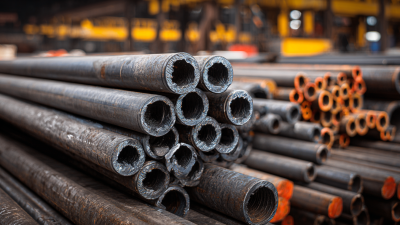
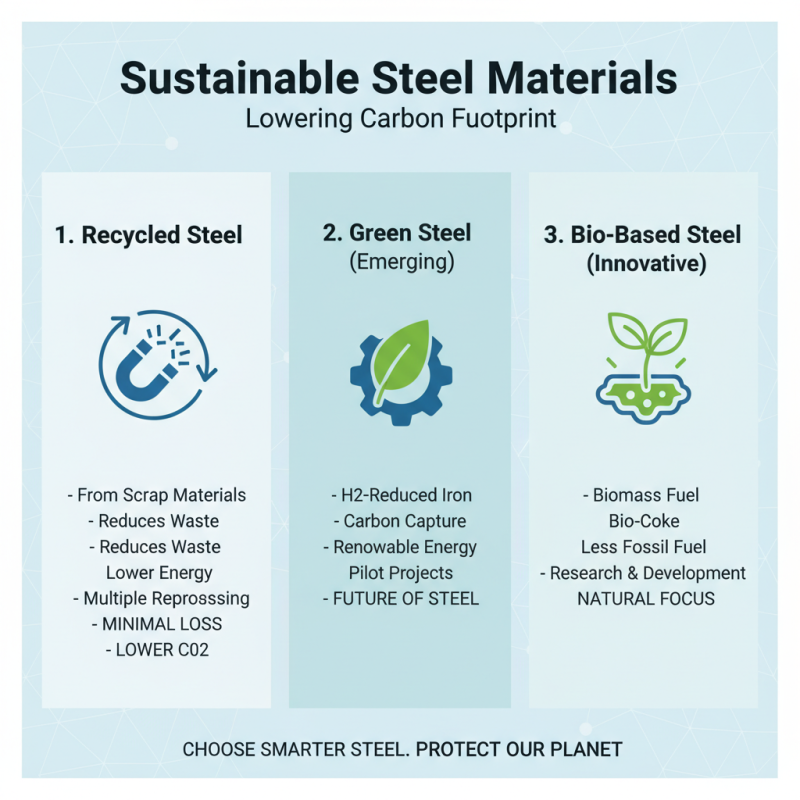
When selecting sustainable steel, it’s essential to understand the types available. Recycled steel is a popular choice. It reduces waste and lowers energy consumption. This type of steel often comes from scrap materials. It can be reprocessed multiple times with minimal loss. This means a lower carbon footprint.
Another option is biogenic steel. This material incorporates renewable resources during production. Using biomass can significantly cut greenhouse gas emissions. However, its availability might be limited. Often, sourcing biogenic steel can be challenging.
In recent years, low-carbon steel has emerged. Manufacturers are using innovative techniques to reduce emissions. Yet, the reliability and performance of this steel can vary. Some projects may not benefit as much from this newer material. Therefore, evaluating the specific requirements is crucial. Making the right choice involves careful consideration of the materials and their impact on the environment.
Evaluating Certifications and Standards for Sustainable Steel
When selecting sustainable steel for construction, certifications and standards play a crucial role. These markers can guide you in making informed choices. Look for standards like the ISO 14001, which indicates strong environmental management practices. This certification signals that the manufacturer is committed to minimizing their ecological footprint.
Another important certification is the Environmental Product Declaration (EPD). This document provides transparency on the environmental impact of steel production. It covers aspects such as energy consumption, resource use, and potential emissions. By studying the EPD, you can compare different steel products based on their sustainability metrics.
However, not all certifications are created equal. Some may be misleading or overly complex. It is essential to investigate what each certification entails. Understanding the nuances of these standards can be challenging yet rewarding. Ignoring these details may lead to choices that do not truly align with sustainability goals. Therefore, assessing certifications and their credibility should be a priority in your decision-making process.
Cost Considerations When Choosing Sustainable Steel Options
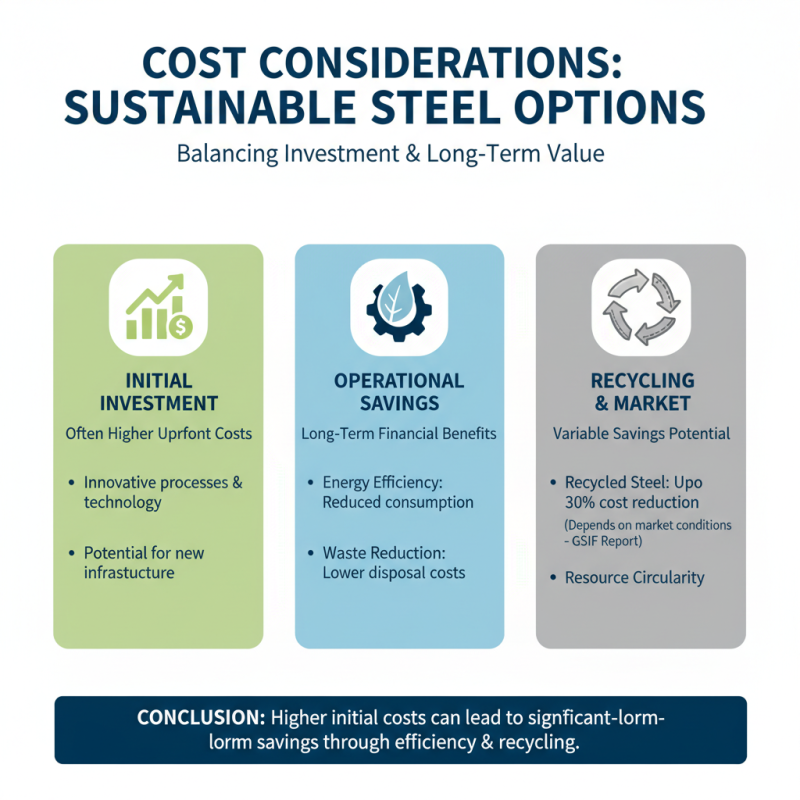
When considering sustainable steel options, cost is a significant factor. Sustainable steel production often involves processes that may be more expensive than traditional methods. For example, according to a report from the Global Steel Innovation Forum, recycling steel can reduce costs by up to 30%, but this depends on market conditions. While the initial investment might be higher, the long-term savings in energy efficiency can outweigh this.
However, not all sustainable options are equal in cost-effectiveness. A study by the World Steel Association highlights that green steel made with renewable energy can be 25% more expensive than conventional steel. This raises questions for builders. Is the upfront cost justified by the potential for lower emissions and a positive public image? It’s a tough call. The fluctuating prices of raw materials can complicate budget planning further.
Moreover, local regulations and certification may influence costs. Projects in areas with stringent sustainability mandates might incur additional expenses. While choosing sustainable steel is commendable, understanding the financial implications is crucial. Balancing cost with sustainability could lead to difficult decisions. Builders must weigh their values against their budgets, ensuring the right choice for both the planet and their project's financial viability.
Assessing the Environmental Impact of Steel Production and Usage
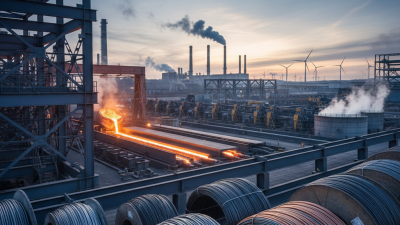
When selecting steel for construction, evaluating its environmental impact is crucial. Steel production involves significant energy use and greenhouse gas emissions. The extraction of raw materials can lead to habitat destruction and soil degradation. Understanding these factors helps in making a more informed choice.
Many assume all steel is the same, but that's misleading. Different production processes have varying environmental footprints. For example, recycled steel has a much lower impact than virgin steel. It uses less energy and reduces waste. However, not all steel labeled as "recycled" is equally sustainable. Some may contain impurities from previous uses, which can affect its quality and longevity.
Reflect on the entire lifecycle of the steel you choose. This includes transportation, installation, and eventual disposal. Each step has its own impacts. Local sourcing might reduce transportation emissions but could limit options. Consider how long the steel will last. A less durable material could lead to more frequent replacements, increasing overall environmental harm. Balancing these factors isn't easy, but it is essential for a sustainable future.
Environmental Impact of Steel Production and Usage