How to Choose the Right Precision Metal Component Manufacturer?
Choosing the right Precision Metal Component Manufacture is crucial for various industries. According to a recent report by MarketsandMarkets, the global precision metal fabrication market is expected to reach $297 billion by 2024. This growth signifies the increasing demand for high-quality precision components in sectors like automotive and aerospace.
Expert James Thompson, a noted figure in the precision metal industry, emphasizes, "Selecting the right manufacturer can define the success of your project." His insights highlight the importance of thorough evaluation. Manufacturers should showcase expertise in techniques, quality control, and innovation.
However, not every manufacturer meets the high standards required. It’s essential to research their track record and client feedback. Scrutinizing certifications and production capabilities can prevent costly mistakes. Choosing a precision metal component supplier is not just about price, it’s about reliability and trust.
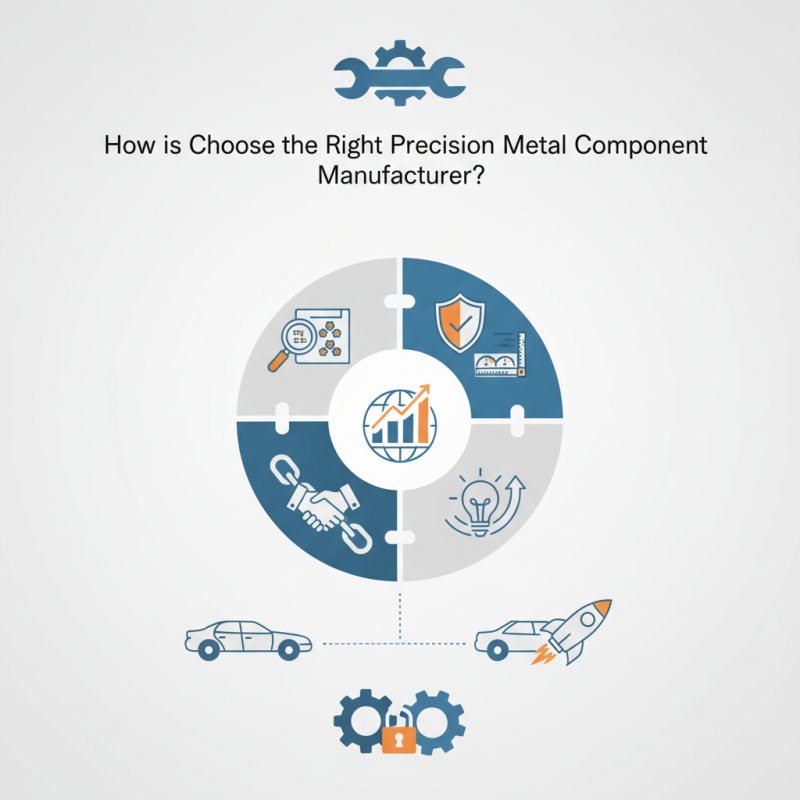
Understanding Precision Metal Components and Their Applications
Precision metal components are critical in various industries, including aerospace, automotive, and medical devices. These components often require strict tolerances and durability. According to industry reports, the global precision metal components market is projected to grow at a CAGR of 5.6% from 2021 to 2028. This growth highlights the increasing demand for high-quality manufacturing processes.
When choosing a manufacturer, consider the specific applications of these components. For instance, in aerospace, components must withstand extreme conditions. In medical applications, biocompatibility is crucial. Manufacturers must demonstrate expertise in these areas to ensure component reliability.
Tip: Verify the manufacturer's certifications and quality assurance processes. This will provide assurance regarding their capability to meet specific standards.
Additionally, not all manufacturers can adapt to changing technologies. Some may struggle with integrating advancements such as automation or additive manufacturing. Evaluate their flexibility to incorporate new processes into production.
Tip: Speak with previous clients to gauge their satisfaction levels. This insight can be invaluable for understanding the manufacturer’s reliability.
Key Factors to Consider When Selecting a Manufacturer
Choosing the right precision metal component manufacturer is critical for product quality. Several key factors come into play when making this decision. First, assess the manufacturer’s experience in your specific industry. Research indicates that companies with over 10 years of experience often achieve superior outcomes. Their understanding of market demands and technological advancements benefits you.
Next, look for certifications and quality standards. Manufacturers adhering to ISO standards demonstrate a commitment to quality. This can reduce defects and warranty claims. A report by the International Organization for Standardization indicates that compliance with such standards can lower production errors by up to 70%.
It’s also essential to evaluate a company's production capabilities. Advanced machinery and technology are crucial for precision. However, it’s important to reflect on current needs versus future growth. Your requirements may change over time, so flexibility in scaling production is key. Some firms may struggle to adapt to these changes, impacting delivery timelines and costs. Understanding such dynamics enhances your selection process.
Evaluating Manufacturer Capabilities and Expertise
When choosing a precision metal component manufacturer, evaluating their capabilities and expertise is crucial. A recent survey revealed that 75% of industry leaders prioritize the manufacturer's experience in specific applications. This statistic emphasizes the importance of finding a partner who understands your unique needs. Look for manufacturers with a proven track record in your industry. Their past projects should demonstrate their ability to meet strict tolerances and quality standards.
Moreover, consider their technological capabilities. For instance, 68% of successful manufacturers utilize advanced CNC machining and laser cutting technologies. These tools increase precision and reduce lead times. However, technology alone is not enough. The manufacturer must also have staff with relevant skills. Trained professionals can spot potential issues early in the production process. This proactive approach can save time and resources.
It is also essential to assess their certifications and quality control processes. Manufacturers with ISO 9001 certification demonstrate a commitment to quality management. Yet, obtaining a certification does not guarantee superior products. Frequent audits and process updates are necessary to maintain high standards. Engaging with manufacturers who are transparent about their processes will contribute to a more reliable partnership.
Assessing Quality Control Measures and Certifications
When selecting a precision metal component manufacturer, the emphasis on quality control is essential. According to a recent industry report, around 70% of manufacturing defects occur due to inadequate quality assurance practices. A reliable manufacturer adopts rigorous quality control measures, including inspection protocols and performance testing. Certifications such as ISO 9001 indicate that a manufacturer has met international standards for quality management. Observing these credentials can save costs in the long run by reducing defect rates.
Tips: Verify the certifications of potential manufacturers. Check for industry-specific standards, like AS9100 for aerospace or IATF 16949 for automotive components.
Quality control processes can vary substantially among manufacturers. It’s important to assess their methodologies through audits or visits if possible. A provider with strong quality oversight typically demonstrates transparency. However, not all certifications are created equal. Some may be outdated or less relevant to your specific needs.
Tips: Inquire about the manufacturer's latest quality audits and feedback from previous clients. Consider the real-world applications of their products and how they align with your project requirements.
Evaluating quality control measures is not just about checking boxes. It’s about finding a partner who prioritizes reliability and constant improvement. A deep dive into a manufacturer’s quality processes can reveal both strengths and potential weaknesses. Remember, the manufacturer you choose can significantly impact your product’s overall success.
Analyzing Cost, Lead Times, and Customer Support Services
When selecting a precision metal component manufacturer, it's essential to analyze cost, lead times, and customer support services. Cost is often a primary factor. However, the cheapest option doesn't always mean the best quality. A manufacturer with slightly higher prices may offer better materials and craftsmanship. Balance your budget against the value received.
Lead times are crucial. Some manufacturers promise quick turnaround times, but this can compromise quality. It's wise to ask for realistic timeframes. A reliable supplier should be transparent about their production schedules. Delays can impact your operations, leading to unnecessary costs.
Consider customer support services as a vital aspect of the selection process. A manufacturer with strong support will assist you throughout the project. Quick responses to inquiries and effective communication can significantly ease the process. Reflect on past experiences with vendors. Poor support can lead to misunderstandings and added frustrations. Aim for a partner who demonstrates reliability in every aspect.
