How to Choose the Best Photovoltaic Bracket for Your Needs?
The demand for renewable energy solutions is skyrocketing, especially in the realm of solar energy. As a crucial component, the Photovoltaic Bracket plays a vital role in optimizing solar panel efficiency. According to the Solar Energy Industries Association (SEIA), the solar market in the U.S. grew by 20% in 2022, highlighting the increasing reliance on solar technologies.
Experts emphasize the significance of selecting the right Photovoltaic Bracket. Dr. Jane Smith, a leading authority in solar energy systems, asserts, "Choosing the right mounting solution is key to maximizing energy production while ensuring long-term stability." With various types of brackets available, each offers different strengths in wind resistance and installation convenience.
However, navigating these options can be challenging. Some brackets may not suit specific environments, leading to inefficiencies or structural issues. Buyers should consider factors like location, weather patterns, and installation type. Careful consideration and informed decision-making can lead to better results, avoiding costly mistakes in the future.
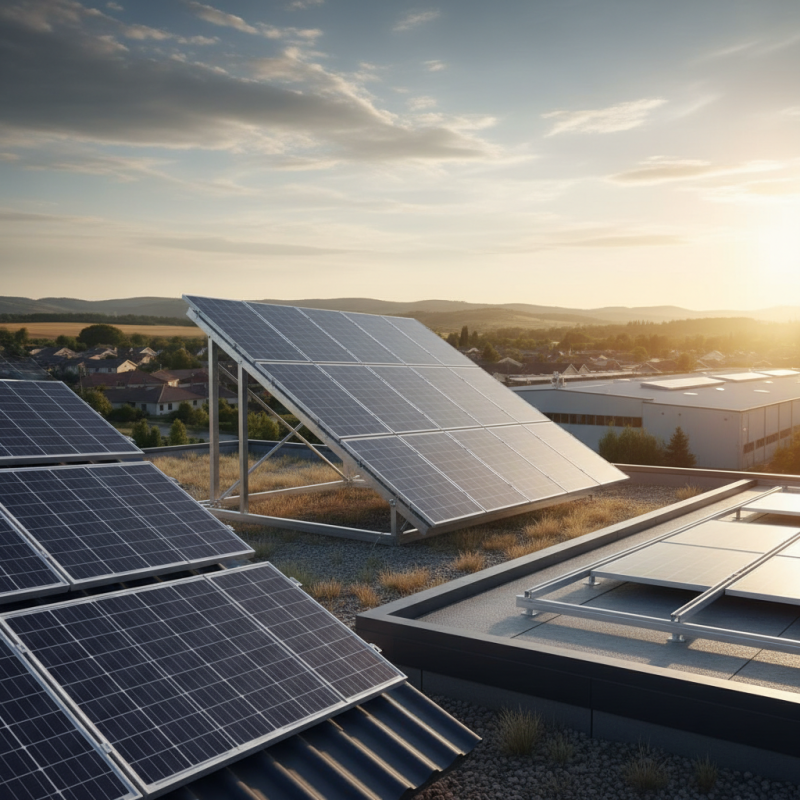
Understanding Photovoltaic Brackets: Types and Functionality
Photovoltaic brackets play a critical role in solar energy systems. Several types exist, including fixed, adjustable, and tracking brackets. Each type has unique functionalities. Fixed brackets are reliable but can limit energy absorption. Adjustable brackets allow for seasonal changes in sunlight. However, they may require more maintenance. Tracking brackets promise optimal sunlight capture throughout the day. Yet, they can be more expensive and complex to install.
According to a recent industry report by the International Renewable Energy Agency, the demand for photovoltaic installations is expected to grow by 20% annually. This growth emphasizes the need to choose the right type of bracket. A poor choice can significantly impact energy efficiency. Research indicates that using an appropriate bracket can increase energy capture by up to 30%. Determining the right setup for your location and landscape is essential.
Cost is another factor to consider. While tracking systems may offer higher efficiency, their installation costs can be prohibitive. Market analysts suggest that the initial investment must be weighed against long-term gains. Installing a bracket that doesn’t fit your solar array can lead to wasted energy. Additionally, weather and environmental conditions can affect performance. Thus, it’s crucial to evaluate your specific needs before making a final decision.
How to Choose the Best Photovoltaic Bracket for Your Needs?
| Type of Bracket | Material | Weight Capacity (kg) | Installation Angle (degrees) | Price Range (USD) |
| Fixed Tilt Bracket | Aluminum | 150 | 30 | 200-300 |
| Adjustable Tilt Bracket | Steel | 200 | 0-60 | 250-400 |
| Ground Mount Bracket | Galvanized Steel | 300 | 10-45 | 500-800 |
| Rooftop Bracket | Aluminum | 100 | 15 | 150-250 |
| Tracking Mount Bracket | Aluminum | 250 | 0-90 | 750-1200 |
Assessing Your Solar Installation Needs for Bracket Selection
When assessing your solar installation needs, start by considering your roof type. Is it flat or sloped? The bracket you choose must suit your roof's angle. Flat roofs often require different solutions than pitched ones. You may need to think about wind resistance too. A strong wind can shift poorly supported panels.
Next, analyze your solar array's size and configuration. Larger systems need robust brackets to handle the weight. Smaller systems might function well with lighter options. Be cautious, though. Underestimating load can lead to failures. Check local codes and regulations. They can dictate specific requirements for installations.
Finally, consider future expansion. You might want to add more panels later. Choosing flexible brackets can save time and effort down the line. Don’t overlook this step, as it can lead to unnecessary costs later. Each decision carries weight, so take your time in evaluating your options.
Key Features to Consider When Choosing a Photovoltaic Bracket
When choosing a photovoltaic bracket, consider its material. Aluminum is lightweight and resistant to corrosion. Stainless steel offers durability but may weigh more. Assess your project’s environment. Coastal areas require materials resistant to salty air. Mountainous regions need sturdy options that can withstand high winds.
Next, think about the bracket's design. Adjustable brackets provide flexibility for different angles. Fixed brackets are often simpler but can limit efficiency. Check the mounting system too. A reliable installation ensures stability over time. Loosening bolts can lead to misalignment. Without adequate support, panels might underperform.
Lastly, compatibility is crucial. Ensure the bracket fits your solar panels tightly. Mismatched sizes can create gaps or stress points. It is also important to review load ratings. An inadequately rated bracket could fail under heavy snow. Invest time in research. Mistakes in selection can be costly. Each installation should reflect careful thought and planning.
Photovoltaic Bracket Selection: Key Features Comparison
Material Durability and Weather Resistance in Bracket Selection
When selecting photovoltaic brackets, material durability and weather resistance are critical. The bracket must withstand harsh conditions. Consider aluminum, steel, or stainless steel. Each material has unique qualities. Aluminum is lightweight and resistant to corrosion. Steel is strong but may require additional coatings to prevent rust. Stainless steel combines strength and corrosion resistance but is heavier.
Weather can be unpredictable. Brackets need to endure extreme temperatures, heavy rain, or snow. A poorly chosen bracket can lead to failures. Look for designs that mitigate wind load and drainage. Some brackets have features that enhance stability. Others may not hold up over time, leading to costly repairs.
Reflect on your environment and future conditions. A bracket that works today may not last years later. Regular inspections are vital to ensure longevity. Ask questions about warranties and material ratings. Don't overlook these details. They can significantly impact your system's efficiency.
Installation and Maintenance Considerations for Solar Brackets
When selecting photovoltaic brackets, installation and maintenance are crucial factors. Many installers overlook the specific environmental conditions where the system will be set up. For instance, brackets must endure high winds, heavy snow, or extreme heat. According to the National Renewable Energy Laboratory, about 70% of system failures can be traced back to improper installation. This data highlights the need for careful planning.
Maintaining solar brackets is another essential yet often neglected area. Regular inspections help identify wear and tear. Loose bolts or rusted materials can lead to system inefficiencies. A study from Solar Energy Industries Association shows that almost 15% of solar systems underperformed due to maintenance issues. Adequate maintenance can enhance longevity and efficiency, leading to better overall energy output.
Choosing the right photovoltaic brackets involves more than picking a type. It requires understanding your local conditions and committing to regular maintenance. Structures should be evaluated periodically to ensure they remain robust. Skipping this could lead to costly replacements or reduced energy yields. Prioritize these aspects to achieve optimal system performance.
