How to Choose the Right Stainless Flanges ODM for Your Needs?
Choosing the right Stainless Flanges Odm is vital for many industries. These components are essential in ensuring proper connections in piping systems. However, the process can often feel overwhelming due to the variety of options available. Understanding the specific requirements of your project is crucial.
When evaluating stainless flanges ODM, consider the quality and durability. It's also important to assess the manufacturer's reputation. A reliable supplier can provide valuable insights and support. Quality should not be sacrificed for cost. The wrong choice could lead to leaks or system failures.
Take time to reflect on your needs. Identify the specific materials and dimensions required for your application. Remember, not every vendor will provide the same level of expertise. This reflection will guide your decision-making process. By focusing on these details, you can effectively choose the right stainless flanges ODM for your project.
Understanding Different Types of Stainless Flanges Available in the Market
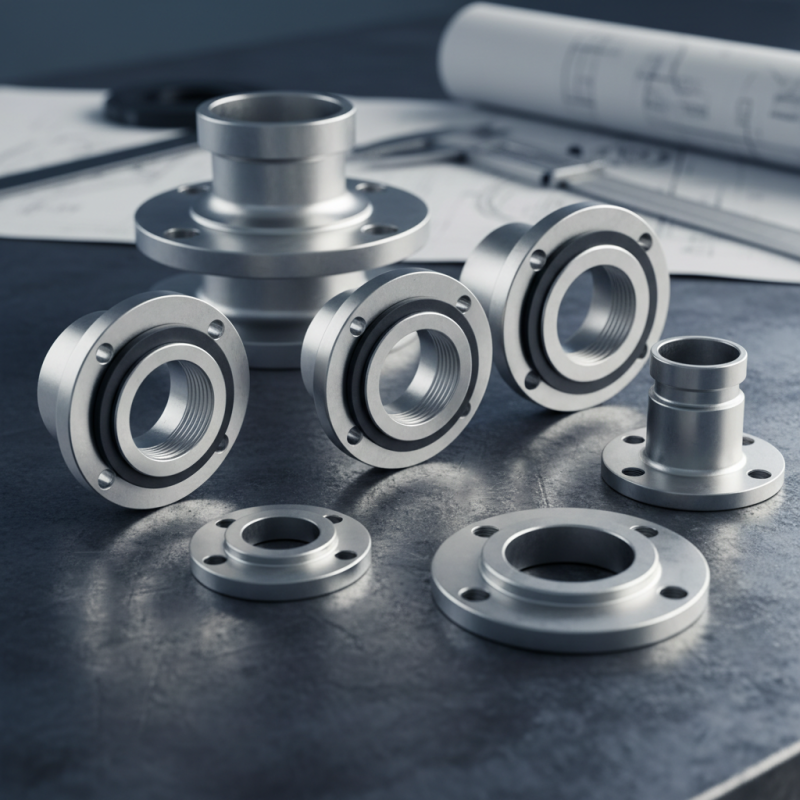
When choosing stainless flanges, it’s essential to understand the variety available. Stainless flanges come in different types, each serving specific industry needs. Common types include slip-on, blind, and weld neck flanges. Each type has unique features and applications. Slip-on flanges fit over pipes, making installation easy. Blind flanges seal off pipe ends, while weld neck flanges are welded to pipes for a stronger connection.
Consider the material grade when selecting flanges. The most common grades for stainless steel flanges include 304 and 316. Grade 316 is more corrosion-resistant, ideal for marine environments. However, it may not be necessary for every application. Assess your project's conditions before making this decision.
**Tips**: Always evaluate the environment where the flanges will be used. Corrosive substances can degrade some types faster than others. Ensure your choice aligns with your system's pressure and temperature requirements. Regularly review your flange inventory to avoid compatibility issues in the future. Remember, the right flange today can mean the difference in performance tomorrow.
How to Choose the Right Stainless Flanges ODM for Your Needs?
| Flange Type | Material | Pressure Rating (PSI) | Size (Inches) | Common Applications |
| Welding Neck | Stainless Steel 304 | 150 | 2" | Industrial piping |
| Slip-On | Stainless Steel 316 | 300 | 3" | Water and waste management |
| Blind | Stainless Steel 321 | 600 | 4" | Sealing off systems |
| Socket Weld | Stainless Steel 316L | 1500 | 1.5" | High-pressure applications |
| Threaded | Stainless Steel 304 | 300 | 2.5" | Oil and gas pipelines |
Key Factors to Consider When Selecting Stainless Flanges ODM
When selecting stainless flanges ODM, various factors affect your decision. Start by evaluating the material quality. Stainless steel offers corrosion resistance and durability. Look for grades suitable for your specific application. Some might require higher tensile strength while others need excellent resistance to chemicals.
Next, consider the flange design. Different applications demand various configurations, such as weld neck, socket weld, and blind flanges. Each design has unique advantages. A wrong choice could lead to leaks or system inefficiencies. Think about how the flange will fit with existing equipment.
Another critical aspect is the manufacturer's credibility. Research their experience in the industry. Seek testimonials or case studies that demonstrate reliability. If possible, ask for samples to examine the quality firsthand. This helps ensure you’re making an informed choice, avoiding potential regrets down the line.
Evaluating Quality Standards and Certifications for Stainless Flanges
When selecting stainless flanges ODM, quality standards and certifications are crucial. These indicators guide purchasers in ensuring they receive reliable products. Look for flanges that meet international standards like ASTM or ASME. These certifications verify material quality and manufacturing processes. A well-certified flange often reflects better performance in demanding environments.
Tips: Always check if the flange has undergone rigorous testing. It’s essential to ensure compliance with industry regulations. Certifications might look impressive on paper. However, they need to be verified. Inspect for any relevant documentation from the manufacturer.
Another aspect to consider is the supplier's reputation. A reliable supplier often provides clear information about the flanges. They should readily offer details on quality assurance and testing methods. If they hesitate to share this, reflect on their reliability. Ask questions to gauge their expertise. This interaction helps in assessing their commitment to quality standards.
Tips: Don’t hesitate to request samples before a large order. This step allows you to inspect the physical quality. A hands-on look can reveal a lot about craftsmanship and attention to detail.
Assessing Compatibility with Existing Piping Systems and Components
When choosing stainless flanges for your piping system, compatibility is crucial. Assessing the existing components helps prevent leaks and failures. Start by checking the flange dimensions. Measure diameter and thickness carefully. Misalignments can lead to serious issues.
Evaluate the material of the current system. Ensure the new flanges match in grade and type. Mismatched materials can trigger corrosion or compromise integrity. Look for signs of damage in existing components as well. Replacement might be necessary.
Tips: Always consult technical specifications for the flanges. Referencing installation guidelines can save time and resolve doubts. When uncertain, seek advice from experts in the field. Engaging professionals provides peace of mind. Compatibility might seem simple, but overlooking details can be costly. Take your time to analyze every aspect of your system.
Cost Analysis: Balancing Quality and Affordability in Your Selection
When selecting stainless flanges, cost is often a critical factor. Quality materials come at a price. However, it's essential to consider the long-term benefits of investing in high-quality flanges. Cheaper options may save money initially but might lead to premature failures. This could result in costly repairs or replacements down the line.
Finding a balance between affordability and quality requires thorough research. Determine your specific needs based on application and environment. Sometimes, a slightly higher upfront cost can provide better durability and reliability. Look for suppliers with solid reputations. Verify their previous work and customer feedback. This can prevent potential pitfalls that arise from subpar materials or craftsmanship.
Reflecting on experiences with different flanges can provide valuable insights. Some users have expressed regret over rushed decisions driven by price alone. They wished they had taken time to evaluate options more carefully. Gathering information from various sources ensures a more informed choice. Ultimately, the goal is to choose a flange that meets both budget and quality standards without compromising performance.
