How to Choose the Best Safety Protective Gas Detector?
Choosing the right Safety Protective Gas Detector is vital for ensuring workplace safety. According to the U.S. Bureau of Labor Statistics, approximately 5,000 workers die each year from hazardous materials exposure. This alarming statistic highlights the need for reliable detection systems. Industry experts emphasize that a quality gas detector can be a life-saving device.
Dr. Jane Smith, a renowned industrial safety expert, states, “A dependable Safety Protective Gas Detector is not just a precaution; it is essential for safeguarding lives.” Understanding the various features and technology of these detectors is crucial for effective protection. Performance, calibration frequency, and sensor type are key factors to consider.
Many workers still rely on outdated equipment. Regular updates and training are necessary to prevent accidents. The market now offers advanced models with multi-gas detection capabilities. Yet, several industries face challenges in selecting the right tool for their specific needs. An informed choice plays a role in preventing life-threatening situations.
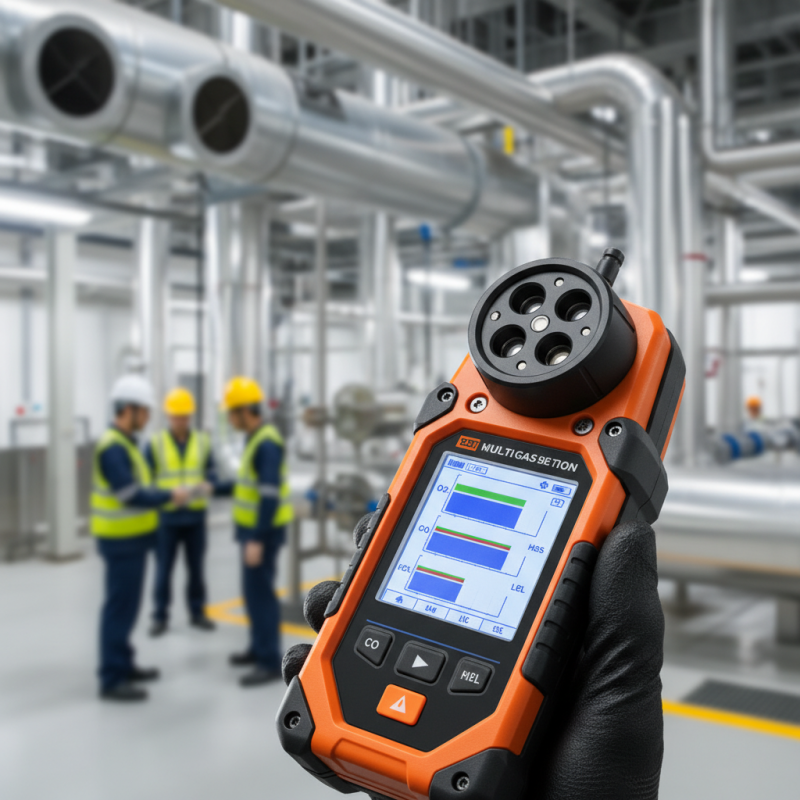
Understanding Different Types of Gas Detectors and Their Applications
When choosing a gas detector, it’s essential to understand the different types available. There are primarily three categories: catalytic, electrochemical, and infrared detectors.
Catalytic detectors are often used for combustible gases. They work by measuring the heat generated during a gas reaction. According to industry reports, these detectors are effective for methane and propane detection, but they may not respond well to all gas types.
On the other hand, electrochemical detectors are ideal for toxic gases like carbon monoxide and hydrogen sulfide. They contain sensors that generate a current when gas molecules come into contact. Research indicates that these detectors can provide accurate readings at low gas concentrations, making them suitable for safety in confined spaces. While they are reliable, they require calibration to maintain accuracy.
Infrared gas detectors excel in environments with high levels of dust or humidity. They work by measuring gas concentration through light absorption. Studies show that these detectors typically offer longer life spans compared to other types. However, they can be expensive and may require professional installation. Considering these details is crucial for selecting a reliable and suitable gas detector for your needs.
Key Features to Consider in a Safety Protective Gas Detector
When selecting a safety protective gas detector, several key features warrant careful consideration. Sensitivity and calibration capabilities are crucial. A detector must accurately identify various gases at low concentrations. Reports suggest that devices lacking proper calibration may miss harmful gas leaks, resulting in serious repercussions.
The type of detection method is also vital. Whether utilizing electrochemical sensors, infrared sensors, or catalytic sensors affects performance. Studies indicate electrochemical sensors are effective for toxic gases, while infrared sensors excel in detecting flammable gases. This choice will impact the device’s reliability in different environments.
**Tip:** Regular maintenance can significantly enhance detector performance. A well-maintained device can operate efficiently for years. Battery life is another aspect. Many detectors fail due to depleted batteries, compromising safety.
User-friendliness is another feature to weigh. Complex interfaces can lead to errors in operation, particularly in emergency situations. An intuitive design facilitates prompt responses. Some detectors offer smartphone connectivity. This feature provides real-time alerts, vital during critical incidents.
**Tip:** Always test the device after changes to the environment. Gases can behave differently under various conditions. A familiarization with your detector can save lives.
How to Choose the Best Safety Protective Gas Detector? - Key Features to Consider in a Safety Protective Gas Detector
| Feature | Description | Importance |
| Sensitivity | Ability to detect low concentrations of gases accurately. | High |
| Response Time | Time taken to detect and indicate the presence of gas. | High |
| Calibration | Frequency and ease of recalibrating the detector. | Medium |
| Portability | Weight and size for easy transport and use in various locations. | High |
| Battery Life | Duration the detector can operate on a single charge. | High |
| Alarm System | Type and volume of alerts to indicate danger levels. | High |
| Durability | Ability to withstand harsh environments and accidental drops. | Medium |
| Sensor Type | Type of sensor used (e.g., electrochemical, infrared). | Medium |
Evaluating Detection Sensitivity and Response Time Specifications
When selecting a safety protective gas detector, focusing on detection sensitivity and response time is crucial. Detection sensitivity refers to the device's ability to identify gases at low concentrations. A highly sensitive detector can alert users before a dangerous concentration is reached. Look for specifications detailing the minimum detection levels. This information helps ensure that the detector provides adequate safety in various environments.
Response time is equally important. It indicates how quickly the detector reacts to the presence of a gas. A fast response time is essential in situations where quick decisions are needed. A delay of just a few seconds can make a significant difference. Pay attention to specifications that specify the response times across different gases, as they can vary.
While evaluating these specifications, be critical. Some detectors may claim high sensitivity but lack real-world testing to back their claims. Not all specifications will reflect performance in actual conditions. It’s essential to seek devices that have undergone rigorous testing and validation for reliability. Reading reviews and validating third-party testing results can provide insights into the detector's real-world effectiveness. Consider both sensitivity and response time, but remember that each environment presents unique challenges.
Industry Standards and Certifications for Gas Detectors Explained
When selecting a gas detector, understanding industry standards and certifications is essential. Various organizations set these standards to ensure safety and reliability. One well-known certification is ATEX, which indicates the equipment is safe to use in explosive atmospheres. Another important certification is UL, focusing on the safety of electrical devices. Recognizing these marks can assure users of the product’s quality.
Different gases have specific detection requirements. Some detectors are designed for combustible gases, while others are for toxic gases. The National Fire Protection Association (NFPA) outlines standards for gas detection in industrial settings. Following these guidelines can enhance workplace safety immensely. It's vital to review which gases your environment needs to detect. Inadequate knowledge could lead to serious risks.
Detecting gases isn’t just about compliance; it’s about protecting lives. Regular calibration and maintenance are necessary to keep these devices functioning correctly. Many organizations overlook this. They assume that once installed, the detectors will work indefinitely. This mindset can create vulnerabilities in safety protocols. Educating yourself about ongoing requirements is crucial for effective gas detection.
Gas Detector Sensitivity Levels Across Different Gases
Maintenance and Calibration: Ensuring Optimal Detector Performance
Regular maintenance and calibration of gas detectors are crucial for ensuring optimal performance. Research indicates that up to 40% of gas detection failures can be attributed to improper maintenance (Source: Industrial Safety Journal). Routine checks help in identifying issues before they become critical. For instance, calibration should be performed at least once every six months, depending on the manufacturer's guidelines and environmental conditions.
Calibration involves adjusting the device to ensure accurate readings. It can prevent false alarms or, worse, missed detections. The process requires using known gas concentrations for reference. Many technicians overlook this, believing their equipment performs well. However, studies show that over 30% of detectors fail to provide accurate readings due to neglect. This statistic highlights the importance of systematic maintenance schedules.
Additionally, equipment storage conditions can affect detector accuracy. High humidity or extreme temperatures can compromise sensors. A study revealed that nearly 25% of detectors failed due to improper storage practices. It's essential to educate personnel on the environmental factors affecting device performance. Training can bridge knowledge gaps and reduce risks associated with gas detection.
