How to Build a Steel Building in 2026?
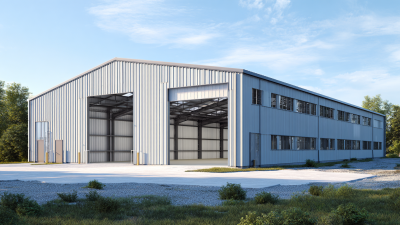
Building a steel building in 2026 can be a rewarding yet challenging endeavor. The steel structure offers durability and versatility. Many companies are opting for steel buildings due to their long lifespan and low maintenance costs. Steel frames can easily accommodate large spaces, making them suitable for various purposes, such as warehouses and offices.
However, the process requires careful planning and execution. Choosing the right materials and design is crucial. It’s important to consider local building codes and zoning regulations. The construction phase can reveal unexpected challenges, from supply chain issues to weather delays. The learning curve can be steep, and mistakes may happen along the way.
In conclusion, aspiring builders must remain adaptable. Flexibility is key when constructing a steel building. Addressing issues as they arise is part of the journey. Learning through experience can lead to a successful project in the end.
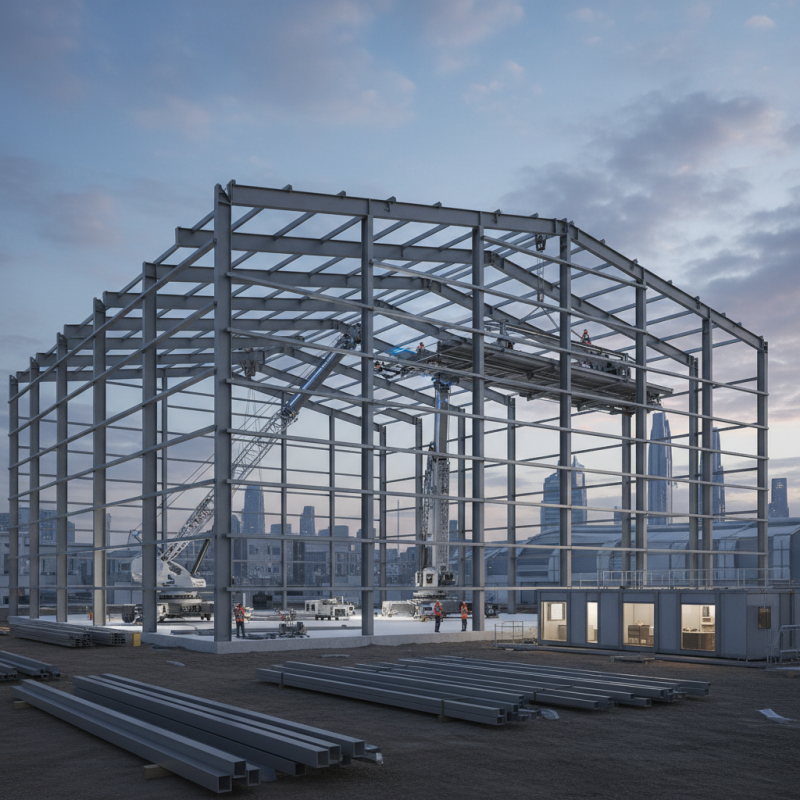
Understanding Steel Building Design Requirements in 2026
When planning a steel building in 2026, understanding design requirements is crucial. Architects and engineers must consider local regulations. These regulations can vary significantly. They dictate aspects like structural integrity and environmental impact. It's vital to review building codes specific to the location. Neglecting this step can lead to costly mistakes.
Another key point is energy efficiency. Modern steel buildings should incorporate sustainable practices. This means considering insulation and ventilation systems. A well-insulated building saves money and reduces energy consumption. Additionally, newer materials for insulation are available. However, integrating these materials may require adjustments in design.
Designing for aesthetics is also important. A steel structure shouldn’t only be functional; it should look good too. Collaboration with designers can ensure a pleasing visual appeal. Yet, the balance between cost and beauty can be challenging. It’s easy to overspend on design features. Reflecting on this balance early in the planning stage can help.
Choosing the Right Materials for Your Steel Building Construction
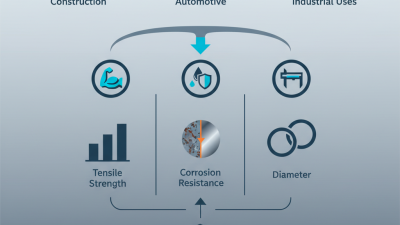
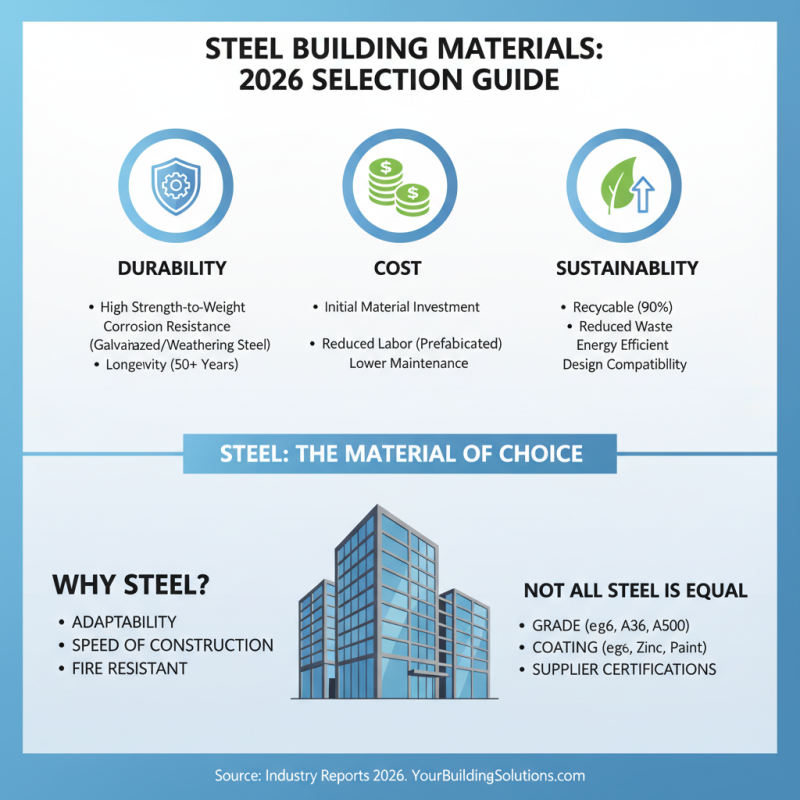
Choosing the right materials for your steel building construction is crucial. In 2026, you need to consider durability, cost, and sustainability. Steel is a popular choice due to its strength and adaptability. However, not all steel is created equal.
When selecting materials, think about the environmental impact. Recycled steel can cut costs and reduce waste. Insulation matters too. Proper insulation can improve energy efficiency. It keeps your building comfortable year-round.
Tips: Always check for certifications. Look for materials that meet sustainability standards. Engage with local suppliers to reduce carbon footprints. Balancing price and quality requires careful thought. Sometimes, cheaper options may lead to problems later. Choosing the right materials may not always be straightforward; take your time to explore all possibilities.
Planning and Obtaining Necessary Permits for Steel Buildings
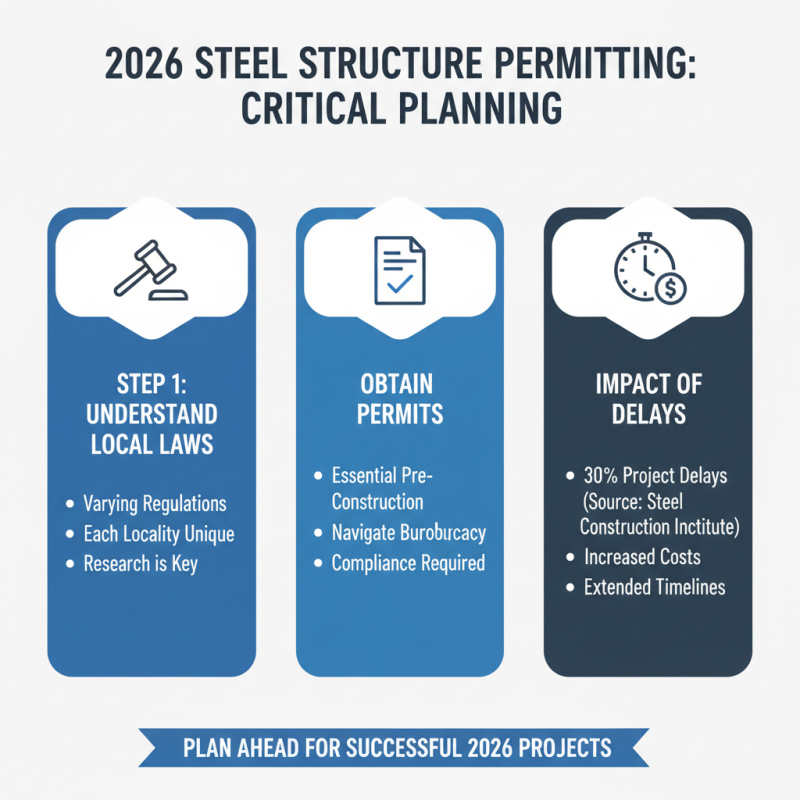
Building a steel structure in 2026 involves critical planning. Before construction, obtaining necessary permits is essential. Each locality has different regulations, making it crucial to understand local laws. According to a report by the Steel Construction Institute, over 30% of project delays relate to permit issues. Delays can increase costs significantly.
Engaging with local authorities early can simplify this process. Prepare documents like site plans and architectural designs. These help in obtaining approvals faster. The International Code Council emphasizes the importance of following building codes. Many projects fail to comply due to oversight, leading to further complications.
Understanding the timeline is vital. Some jurisdictions have longer review periods, stretching project schedules. Engage with professionals who are familiar with your area’s regulations. They can guide you and prevent mistakes that cause frustration later. Every step matters in ensuring a smooth approval process. Consider checking with previous projects in your area for insights.
Essential Tools and Equipment for Building Steel Structures
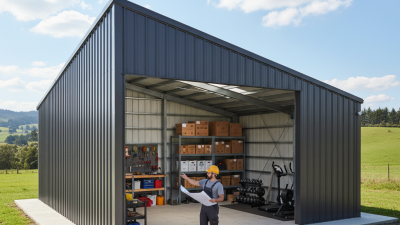
Building a steel structure requires careful planning and the right tools. A few essential tools are crucial for success. Start with a high-quality metal cutting saw. This will help you cut steel beams to the right lengths. A welding machine is also an absolute necessity. It joins metal sections together securely.
Don't forget about personal safety equipment. Hard hats, gloves, and protective eyewear are critical. They keep you safe from sparks and falling debris. Having a sturdy tape measure and level will help you ensure accuracy in your construction. An effective lifting tool is important too. You might need to lift heavy steel beams into place.
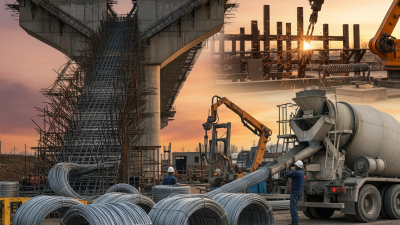
Think about how you will transport your materials. This can be a real challenge. Some builders opt for cranes, while others use forklifts. Each method has its pros and cons, and you may need to adjust your approach. Remember to check for local regulations on transportation and safety. It's easy to overlook these details, but they're vital to the project’s success. Planning efficiently can save time and help avoid mistakes.
Best Practices for Safety During Steel Building Construction
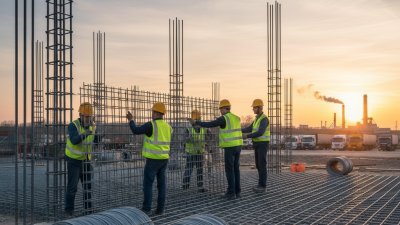
Building a steel structure requires a focus on safety during construction. One key practice involves ensuring that all workers wear appropriate personal protective equipment (PPE). Data from the Occupational Safety and Health Administration (OSHA) shows that over 4,500 workers are injured in falls from heights each year. Proper harnesses and helmets can significantly reduce these occurrences.
Training for workers is also essential. Inadequate training can lead to accidents. The National Institute for Occupational Safety and Health (NIOSH) indicates that construction workers are 2.5 times more likely to experience serious injuries than workers in other industries. Regular safety drills and clear communication about hazards should be prioritized.
Inspection of equipment is crucial. Faulty machinery can cause severe accidents. A report by the Construction Industry Institute suggests that over 20% of construction injuries relate to equipment failure. Regular maintenance checks can help mitigate these risks. Addressing these safety concerns is vital. Reflecting on past incidents can improve current practices and push for better safety standards in the industry.