2026 Best Wire Rod Types for Your Industry Needs?
In the evolving landscape of manufacturing, selecting the right wire rod is crucial. Industry expert John Smith emphasizes this, stating, "The quality of wire rod directly impacts the final product's performance." In sectors like automotive and construction, the demand for versatile wire rods is growing. Each industry has unique requirements, making understanding wire rod types essential for success.
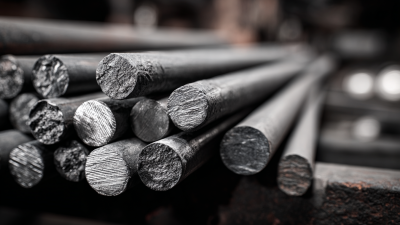
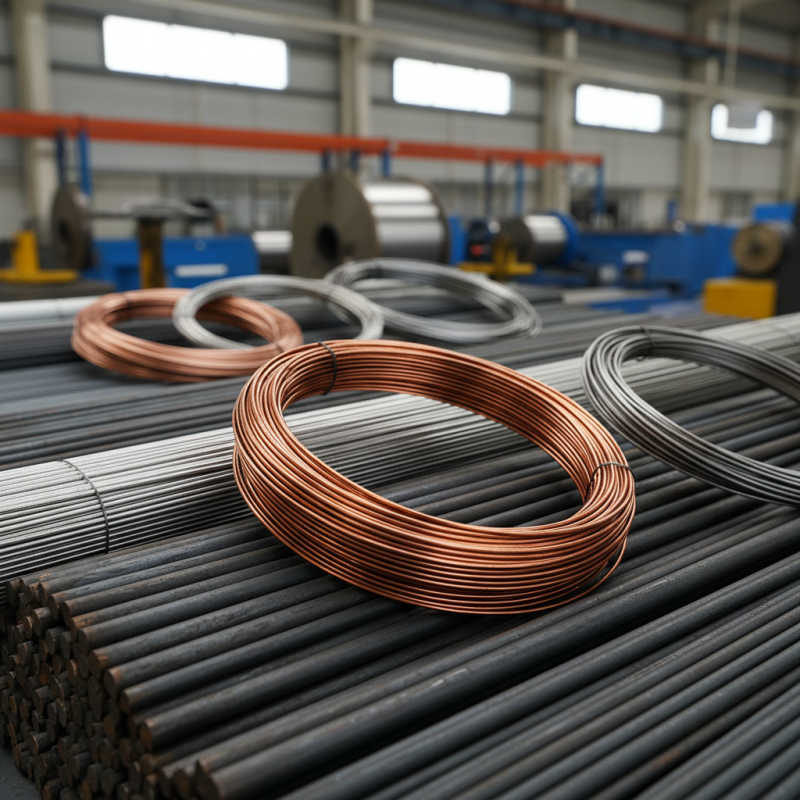
Different wire rod materials and grades cater to various applications. Steel wire rods are renowned for their strength, while copper rods offer excellent conductivity. The choice of wire rod affects durability and functionality. A well-chosen wire rod enhances efficiency in production processes.
Yet, navigating this market can be challenging. Companies may struggle to identify the best wire rod type for their specific needs. With the industry advancing rapidly, it’s vital to stay informed. Continuous evaluation of wire rod options will ensure optimal use. Exploring the best wire rod types for 2026 will help businesses thrive in their respective markets.
Types of Wire Rods and Their Characteristics for Various Industries
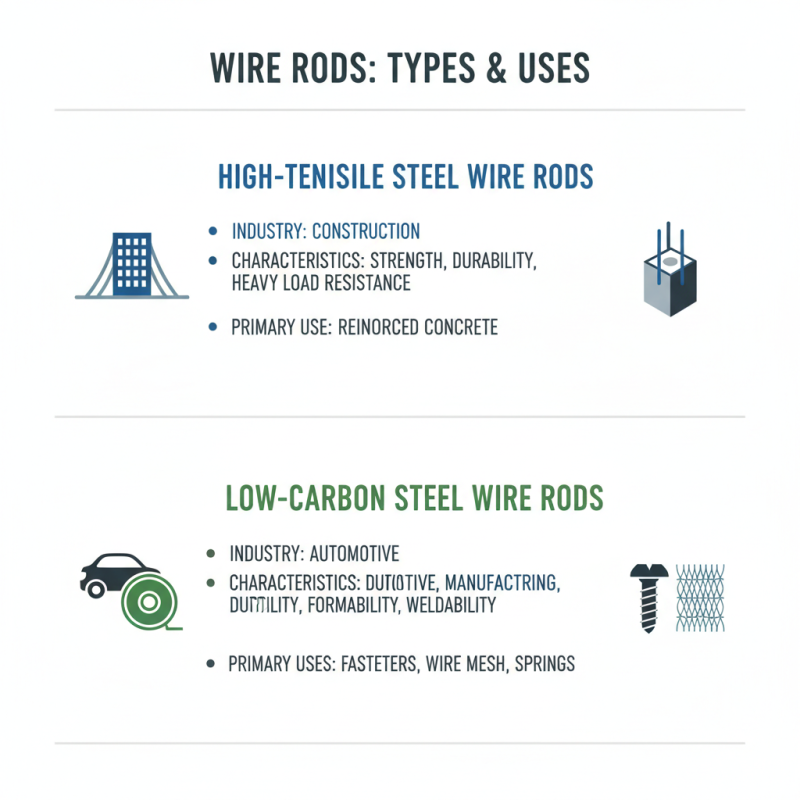
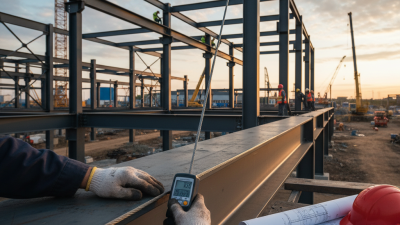
Wire rods are crucial components in various industries, known for their versatility and strength. Different types of wire rods serve specific needs. For construction, high tensile steel wire rods offer excellent durability. These rods meet structural requirements and ensure safety. They withstand heavy loads, making them ideal for reinforced concrete.
In the automotive sector, cold drawn wire rods are favored. These rods have precise dimensions and superior surface quality. They can be used in springs and wires. Their consistent strength and flexibility help in producing reliable components. However, sourcing the right type can be challenging. The market has many options, leading to confusion.
For manufacturing, stainless steel wire rods stand out. They resist corrosion and maintain their integrity under stress. This makes them perfect for industries like food processing and medical applications. Selecting the appropriate wire rod depends on various factors, including environment and usage. Engaging with experts can help clarify options, though it often requires effort to sort through specifications and standards.
Key Factors to Consider When Choosing Wire Rods for Your Application
When choosing wire rods for your application, several key factors come into play. Material composition is crucial. Different alloys provide various levels of strength, ductility, and corrosion resistance.
Understanding the specific needs of your industry will help in selecting the right type.
Wire rod diameter matters too. Thicker rods generally offer more strength but can be heavier and less flexible. Ensure the diameter fits your product requirements. The finish of the wire rod, whether it's drawn, coated, or treated, directly influences performance in specific environments.
Tips: Always consider environmental factors, such as temperature and humidity. These can affect the longevity and performance of wire rods. Testing samples before large-scale orders is advisable.
It ensures that the selected wire rods perform as expected.
Lastly, manufacturing processes vary greatly. Techniques like hot rolling or cold drawing will affect the rod’s final characteristics. Pay attention to quality control measures in place. This step will reflect the reliability of your final product.
Selection demands careful thought and sometimes adjustments based on performance outcomes.
Comparative Analysis of Steel Wire Rods and Alternatives in the Market
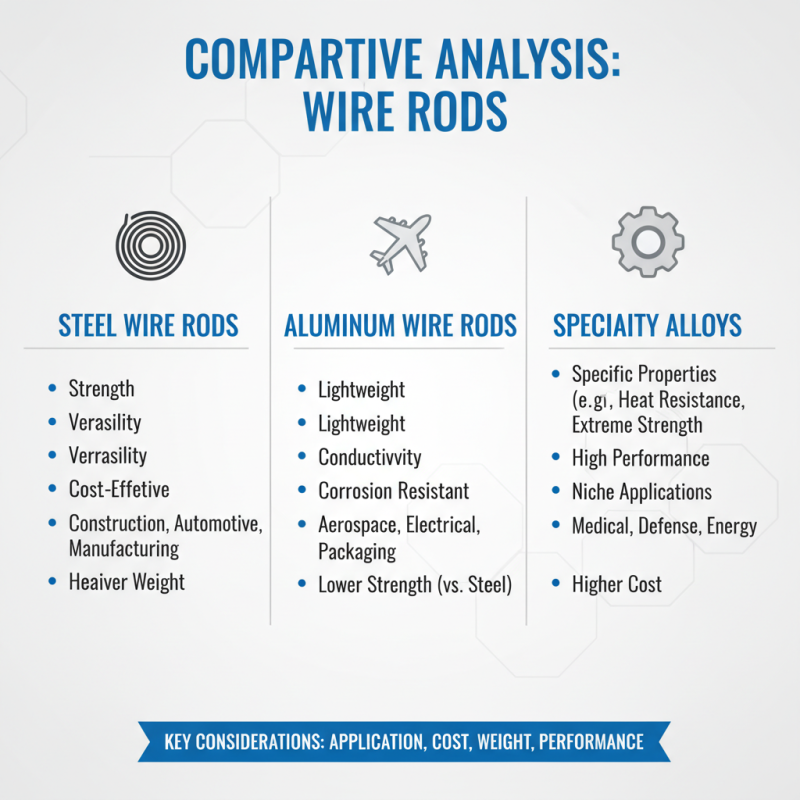
When selecting wire rods, industries often face a crucial decision. Steel wire rods are a popular choice due to their strength and versatility. However, alternatives such as aluminum and specialty alloys are gaining traction. Each material has unique applications, making the comparison essential.
Steel wire rods excel in structural applications. They provide excellent tensile strength and durability. On the other hand, aluminum wire rods are lightweight and resistant to corrosion. This makes them suitable for industries requiring reduced weight and enhanced longevity. Specialty alloys can offer unique characteristics for niche applications, yet they often come at a higher cost.
Tips: Consider your project’s specific requirements before making a choice. Assess both performance and cost-effectiveness. Sometimes, cheaper alternatives may not meet your quality needs. Additionally, it's helpful to consult with industry experts. They can provide insights on the best material for your particular application. Balancing performance and budget always requires careful thought.
Future Trends in Wire Rod Manufacturing and Industry Needs
The wire rod manufacturing industry is poised for transformation. Experts project a surge in demand for high-performance alloy wire rods. These rods are essential for industries ranging from automotive to construction. According to a recent industry report, the global wire rod market is expected to grow at a CAGR of 4.1% by 2026. This trend reflects the growing need for stronger, lighter materials.
One notable shift is the push for sustainable manufacturing processes. More companies are investing in eco-friendly technologies. This is significant given that up to 30% of production costs stem from energy consumption. Industry leaders are recognizing the importance of reducing their carbon footprint. Advanced production methods can lead to better resource efficiency and less waste.
However, challenges remain. Not all manufacturers have adapted to these changes. A lack of skilled labor can hinder the adoption of innovative practices. Furthermore, the demand for customization is increasing. As industries evolve, the need for tailored wire rod solutions is critical. Suppliers must be ready to meet specific project requirements. Re-evaluating existing production methods is essential for staying competitive in this dynamic landscape.
Applications of Wire Rods Across Different Sectors and Industries
Wire rods are critical components in various industries, from construction to automotive manufacturing. Different sectors utilize specific types of wire rods, tailored to their unique needs. For example, construction focuses on high-strength rods for reinforcement in concrete. In contrast, the automotive industry often requires rods that can withstand high temperatures and stress.
In electrical applications, wire rods are essential for making conductors. These rods must have excellent conductivity and resistance to corrosion. On the other hand, the manufacturing of furniture and household items relies on softer steel rods for easy bending and shaping. This diversity showcases the versatility of wire rods across sectors.
Tip: When selecting wire rods, consider the specific mechanical properties required for your application. A mismatch can lead to structural failures or performance issues.
Understanding the application is key. For example, using low-carbon rods in high-stress environments could lead to poor results. It's crucial to assess not only the type of rod but also the end-use scenario. Making informed choices can enhance the lifespan and reliability of your products.
Tip: Consult with industry experts to determine the best wire rod type for your unique application. Their insights can pinpoint the most suitable options.