Best Wire Products for Global Buyers in 2026?
In 2026, the demand for wire products is poised for significant growth. According to a recent industry report by Mordor Intelligence, the global wire and cable market is expected to reach $345 billion by 2026, fueled by increasing infrastructure initiatives. Wire products are essential across various sectors, including construction, telecommunications, and automotive.
The rise of renewable energy projects is also influencing this market. For example, the International Energy Agency estimates that networking and transmission lines will need substantial upgrades. This creates opportunities for enhanced wire products. However, challenges persist. Quality standards and material sourcing require constant attention. Many manufacturers still struggle with fluctuating raw material prices, impacting their pricing strategies.
Investment in technology is crucial. The adoption of smart manufacturing processes could streamline production. Yet, not all companies have adapted adequately. Companies need to analyze their methods and align with industry advancements. This ensures they meet growing demands while maintaining product integrity. As the market evolves, understanding the nuances of wire products will be vital for global buyers.
Emerging Trends in Wire Products for Global Markets in 2026
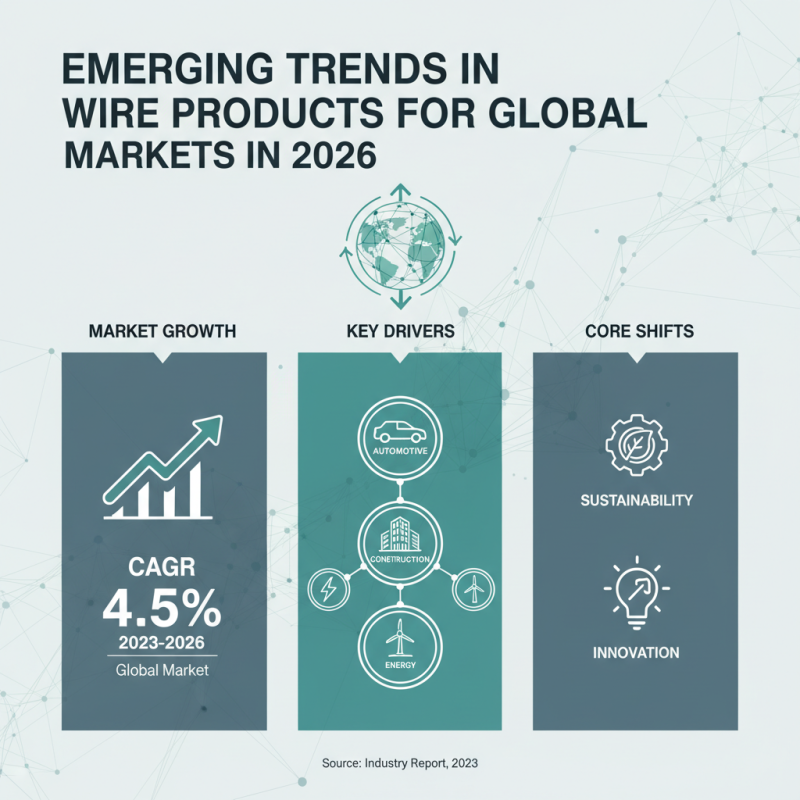
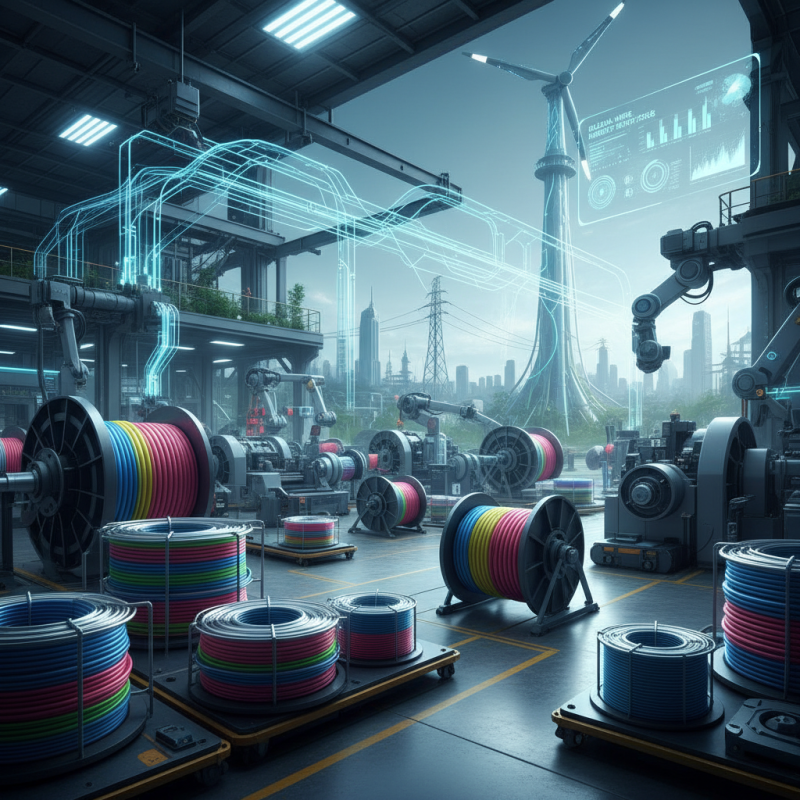
The wire products market is evolving rapidly as we approach 2026. Emerging trends reflect a shift towards sustainability and innovation. According to a recent industry report, the global wire products market is expected to grow at a CAGR of 4.5% from 2023 to 2026. This growth is driven by increased demand in the automotive, construction, and energy sectors.
Sustainable materials are becoming a priority. Many manufacturers are exploring recyclable and bio-based wire solutions. This aligns with the rising consumer demand for eco-friendly products. Data from market studies indicate that over 65% of global buyers prefer sustainably sourced materials. The adaptation of advanced technologies, such as automating wire production processes, also improves efficiency. However, challenges remain. Sourcing quality raw materials sustainably can lead to higher production costs.
In addition, customization is key. More buyers seek tailored wire products for specific applications. Market data reveals that almost 70% of buyers prioritize products that meet unique specifications. This trend may complicate the supply chain. Balancing customization with production efficiency requires careful planning. Overall, the future of wire products will be shaped by these trends and challenges in the coming years.
Key Manufacturing Innovations in Wire Product Design
The wire product manufacturing industry is witnessing transformative innovations. These changes are driven by the increasing demand for efficiency and sustainability. Recent reports indicate that the global market for wire products is projected to reach $200 billion by 2026. Innovations in materials and designs are essential for meeting this demand.
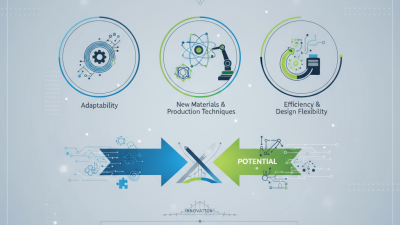
One significant trend is the use of advanced materials. For example, manufacturers are exploring lightweight alloys and composites. These materials provide durability while reducing weight, enhancing usability. Additionally, new design technologies, such as 3D printing, allow for the creation of complex shapes that were previously difficult to manufacture. This flexibility can lead to custom solutions tailored to specific applications.
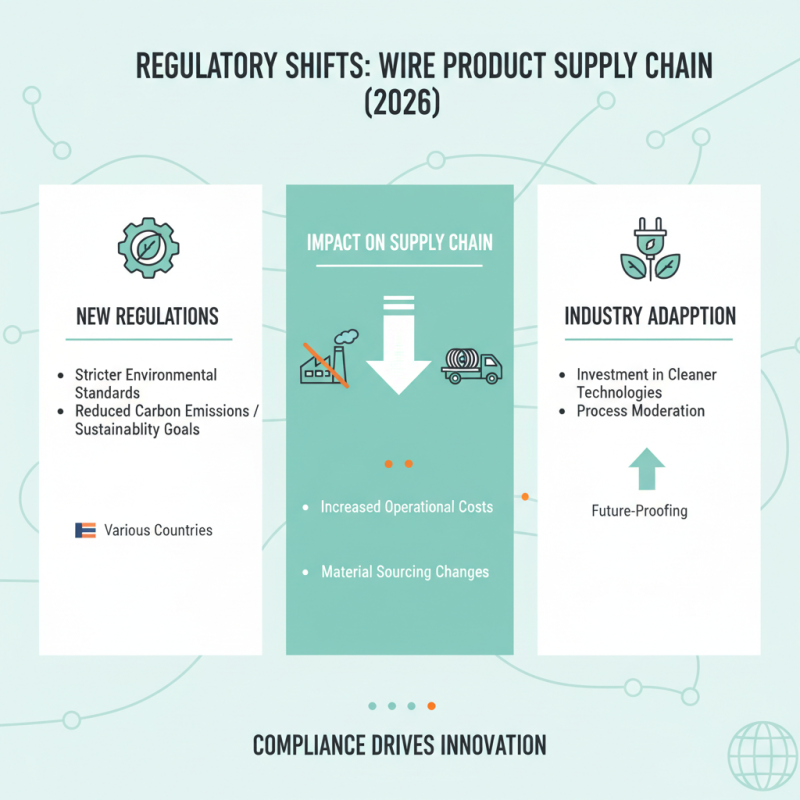
However, challenges remain. While innovations promise better performance, they require substantial investment in new technologies and training. The industry must also address recycling and environmental impact concerns. As regulations tighten, companies that fail to adapt may find themselves at a competitive disadvantage. Thus, the fine balance between adopting new innovations and sustainable practices will be crucial for success in the industry.
Sustainability Practices in Wire Product Production
Sustainability is crucial in wire product production. Companies are increasingly adopting eco-friendly practices. According to recent industry reports, 43% of wire manufacturers have committed to sustainable sourcing of materials. This shift not only protects the environment but also enhances brand reputation.
Many manufacturers are turning to recycled materials. Reports indicate that using recycled metals can reduce energy consumption by 75%. This process lowers carbon footprints significantly. Despite this, limitations exist. Not all wire products can consistently use recycled materials without quality trade-offs. Companies face the challenge of maintaining durability while being sustainable.
Certifications also play a role. Certifications like ISO 14001 help companies prove their commitment to environmental management. However, obtaining these certifications can be time-consuming and costly. Smaller manufacturers may struggle with these requirements. Balancing sustainability and operating costs remains a concern in the industry.
Market Demand Analysis for Wire Products Across Regions
The global market for wire products is evolving rapidly. Different regions have unique demands driven by industrial growth, infrastructure projects, and technological advancements. For instance, the Asia-Pacific region shows significant growth due to urbanization. Markets in Europe and North America are also growing, but with a focus on sustainability and eco-friendly materials.
Understanding regional preferences is crucial for buyers. In North America, there's a rising demand for specialty wires in renewable energy sectors. Meanwhile, emerging markets in South America prioritize affordability and availability of basic wire products. Regional production capabilities can influence pricing and supply chains, making local sourcing an essential consideration.
Despite these trends, challenges exist. Market fluctuations can impact material costs and availability. Not all regions may have the same level of access to modern manufacturing technologies. Therefore, buyers should conduct thorough research and foster relationships with reliable suppliers to navigate these complexities effectively.