Best Steam Ball Valves Manufacturers for Global Buyers?
In today's industrial landscape, the demand for high-quality steam ball valves is on the rise. These valves play a crucial role in regulating steam flow across various applications. According to a recent market research report, the global steam valve market is expected to grow significantly, driven by the expanding energy and chemical sectors. Understanding the suppliers of these vital components is essential for businesses.
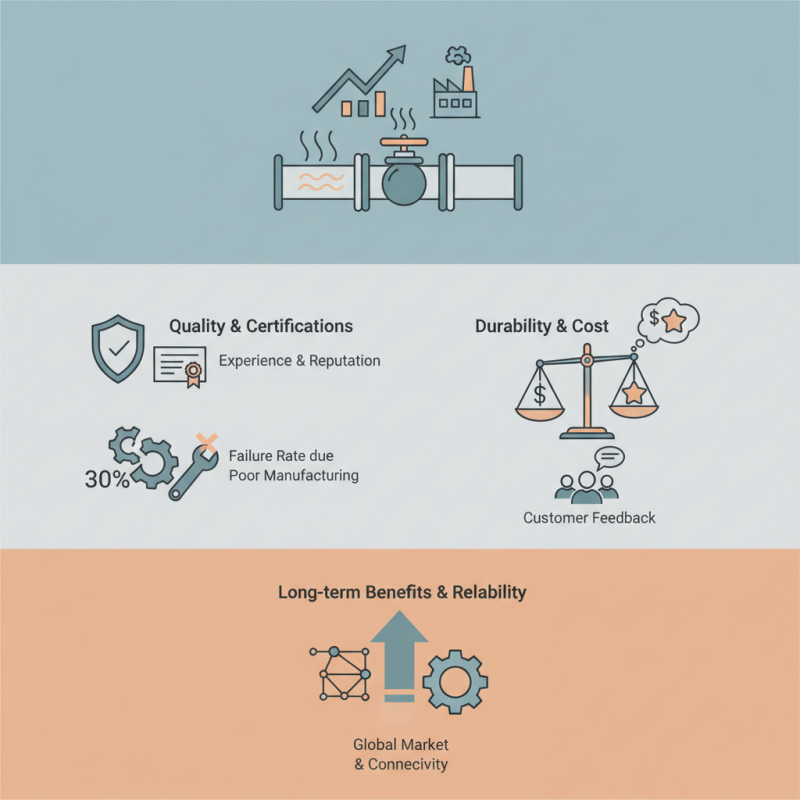
Identifying the Best Steam Ball Valves Manufacturers can influence operational efficiency and safety. However, the market features numerous players, making the choice overwhelming. Reliable manufacturers often showcase certifications and extensive industry experience, ensuring they meet rigorous quality standards. Additionally, recent statistics indicate that over 30% of valve failures occur due to poor manufacturing practices. This highlights the necessity for thorough evaluation when selecting suppliers.
Choosing the best steam ball valves manufacturers requires a balanced approach. Companies must consider reputation, product durability, and customer feedback. Meanwhile, it is crucial to reflect on the trade-offs in quality versus cost. Ultimately, investing in reputable manufacturers can lead to long-term benefits and enhanced process reliability.
Overview of Steam Ball Valves and Their Applications
Steam ball valves are crucial in various industrial applications. They control the flow of steam and other fluids with precision. These valves are designed to handle high pressure and temperature, making them suitable for power generation and oil refining.
In chemical processing, steam ball valves ensure safety and efficiency. Their robust construction allows them to withstand harsh conditions. However, regular maintenance is essential to prevent failures. Misalignment or wear can lead to inefficiencies.
Industries rely on these valves for effective system operations. Each application presents unique challenges, highlighting the need for careful selection. Proper installation and understanding are key. Users must consider the specific requirements of their systems.
Key Features to Consider When Choosing a Manufacturer
When selecting a steam ball valve manufacturer, the choice can greatly impact operational efficiency. First, assess the manufacturer's industry experience. A company with years of expertise demonstrates reliability and a solid understanding of market needs. Look for manufacturers with a track record of innovation. This can indicate their ability to adapt to evolving technology.
Quality control is crucial. Reputable manufacturers employ rigorous testing standards. Certifications can validate their commitment to quality. Inspect the materials they use. Durable, corrosion-resistant materials enhance the valve's lifespan. Think about the manufacturer’s customer service approach. Responsive support can facilitate smoother operations down the line.
Consider whether the manufacturer offers customization options. This flexibility can cater to specific project requirements. Price should not be the sole focus. Sometimes a lower price means compromises in quality. Reviewing client testimonials can provide insights. However, be aware that overly positive feedback may lack transparency. Seek balanced reviews to gauge the company's true capabilities.
Best Steam Ball Valves Manufacturers for Global Buyers
| Manufacturer Location | Production Capacity (Units/Month) | Material Types | Certifications | Lead Time (Days) |
| North America | 15,000 | Stainless Steel, Brass | ISO 9001, API 607 | 30 |
| Europe | 25,000 | Carbon Steel, PVC | CE Marking, ISO 14001 | 45 |
| Asia | 50,000 | Duplex Stainless Steel, Alloy | API 6D, ISO 9001 | 20 |
| South America | 10,000 | Bronze, Stainless Steel | ASME, ISO 9001 | 35 |
Top Global Manufacturers of Steam Ball Valves
When considering the top global manufacturers of steam ball valves, evaluating their market presence is crucial. The steam ball valve market is projected to grow at a rate of approximately 4.5% annually through 2028. This growth reflects the rising demand across various sectors, including oil and gas, power generation, and chemical processing.
Leading manufacturers are known for their innovation and quality control. Many utilize advanced materials that withstand high pressures and temperatures. In the industry, reliability is paramount. For example, valves made from stainless steel offer superior durability in steam applications. Additionally, manufacturers are adopting automation technologies. This enhances efficiency and reduces potential failures.
Despite the industry's growth, challenges remain. Supply chain disruptions and fluctuating raw material costs affect production capabilities. Manufacturers must adapt to these changes continuously. Investing in research and development helps them improve product performance. However, the pace of innovation varies among companies, leading to disparities in product quality and reliability. Buyers need to be aware of these variations when selecting suppliers.
Steam Ball Valves Market Share Distribution
Comparison of Quality and Pricing Among Leading Brands
When it comes to steam ball valves, quality and pricing can vary significantly among leading manufacturers. A recent industry report highlighted that the global market for steam ball valves is poised for significant growth, reaching approximately $4.5 billion by 2026. This growth is driven by the rising demand in the oil and gas sector, which accounts for nearly 40% of the market share.
Materials and construction quality are crucial for performance. High-quality valves often deploy stainless steel and other durable materials. These choices can enhance longevity and reliability. However, some manufacturers offer lower-priced options that may compromise on essential material strength and pressure ratings. A detailed analysis indicates that up to 25% of budget models underperform in high-stress applications, leading to potential safety risks.
Price disparities are evident, with premium valves often costing up to 30% more than their budget counterparts. Yet, the initial investment in a higher-quality valve can lead to reduced maintenance costs. A survey of industry professionals found that 65% prefer investing in reliable, durable valves despite the upfront costs. This decision reflects the understanding of long-term savings and operational efficiency, underscoring the importance of making informed choices in a complex market.
Future Trends in the Steam Ball Valve Manufacturing Industry
The steam ball valve manufacturing industry is evolving. Innovations in design and material science are shaping future trends. Manufacturers are now focusing on energy efficiency and sustainability. This shift reflects a global push towards environmentally friendly practices.
Using advanced materials can reduce weight and increase durability. Consider valves made from corrosion-resistant alloys. This choice improves long-term performance and minimizes maintenance costs. However, engineers must be cautious about the compatibility of new materials with different steam temperatures.
Digital technology is also impacting valve manufacturing. Automation and smart technologies enable real-time monitoring. This fosters predictive maintenance, reducing downtime. Buyers should look for manufacturers who embrace these innovations. It’s essential to discuss technological capabilities when selecting suppliers. Effective communication can lead to better product choices and enhanced operational efficiency.
