Best Battery Smoke Alarm Options for Home Safety?
When it comes to home safety, choosing the right battery smoke alarm is crucial. These devices serve as your first line of defense against fire hazards. With various options available, picking one that fits your needs can be overwhelming. Battery smoke alarms are essential because they remain operational during power outages. This reliability can minimize risks significantly.
Modern battery smoke alarms come with advanced features. Some models include voice alerts, smart connectivity, and even carbon monoxide detection. However, not all smoke alarms are created equal. Consumers must navigate brand differences, performance ratings, and battery life. It is worth reflecting on personal safety and community standards as we choose these critical devices.
While one may prioritize features, this can lead to neglecting essential factors such as maintenance and placement. It’s easy to assume that a higher price means better safety, but this isn't always true. Understanding these nuances is vital for making informed decisions. Your choice in a battery smoke alarm could save lives, so it is paramount to conduct thorough research.
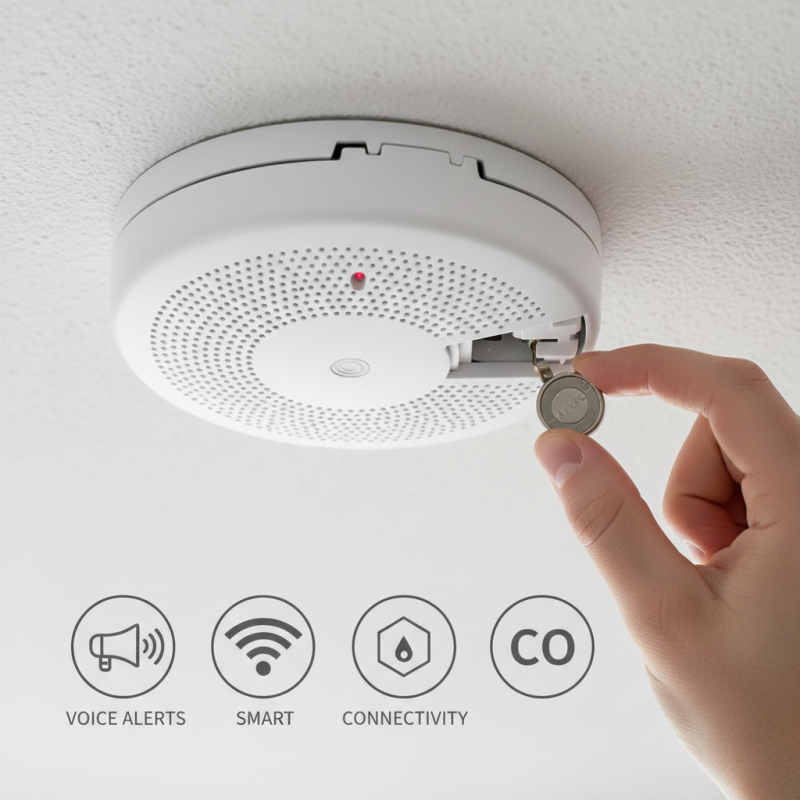
Types of Battery Smoke Alarms Available for Home Use
When it comes to home safety, battery smoke alarms are essential tools. They come in various types, each designed for specific needs. The two main categories are photoelectric and ionization alarms. Photoelectric alarms excel at detecting smoldering fires, which often produce more smoke. These alarms respond quickly to slow-burning fires, giving occupants more time to escape.
Ionization alarms are sensitive to fast-flaming fires. They react quickly to the initial flames, which can be vital in certain situations. Ideally, homeowners should consider a combination of both types for comprehensive protection. Some models even feature dual sensors, integrating both technologies for optimal performance.
In terms of installation, battery smoke alarms are straightforward. They require minimal tools and can be placed in various locations throughout the home. Regular maintenance is crucial, though. Homeowners often overlook the importance of changing batteries and testing alarms monthly. Neglecting these tasks can render alarms ineffective, putting families at risk. Always refer to the manufacturer’s guidelines for optimal performance and placement.
Best Battery Smoke Alarm Options for Home Safety
| Type | Sensor Technology | Battery Life | Features | Estimated Price |
| Ionization | Ionization Sensor | 1-2 years | Fast response to flaming fires | $15 - $30 |
| Photoelectric | Photoelectric Sensor | 2-5 years | Better for smoldering fires | $20 - $40 |
| Dual Sensor | Ionization + Photoelectric | 3-5 years | Combines both technologies | $30 - $60 |
| Smart Smoke Alarm | Wi-Fi Connected | 2-5 years | Mobile notifications, voice alerts | $50 - $100 |
| Battery Operated | Standard Battery | 1-3 years | Easy installation | $10 - $25 |
Key Features to Consider When Choosing a Battery Smoke Alarm
When selecting a battery smoke alarm, consider several key features. Look for alarms with photoelectric sensors. These types respond quickly to smoldering fires. Additionally, choose models with a built-in voice alert. This feature can provide clear instructions during an emergency. A reliable smoke alarm should also have a loud siren. A 85-decibel alarm can wake you during the night.
Battery life is crucial. Opt for alarms with long-lasting batteries, reducing the need for frequent replacements. Some models include a low battery indicator. This alerts you when it’s time to change the battery. Not all alarms need hardwired connections. Battery-operated units are often easier to install and move.
A dust cover feature can enhance reliability. Dust can interfere with the alarm's function. Regular maintenance, like testing the unit monthly, is vital. Many forget this simple task, which can lead to dangerous situations. Lastly, check for warranty options. This indicates the manufacturer’s confidence in their product’s reliability.
Top Brands and Models of Battery Smoke Alarms for Home Safety
When considering battery smoke alarms, it is essential to evaluate their effectiveness and reliability. According to the National Fire Protection Association, smoke alarms reduce the risk of death in reported home fires by 50%. This statistic highlights the importance of equipping homes with high-quality devices that can function independently of electrical systems.
Top brands in the battery smoke alarm market often emphasize advanced features such as photoelectric sensing technology, which can detect smoldering fires more quickly. Reports indicate that models with this technology can reduce false alarms while providing an early warning in case of fire. Additionally, certain alarms now come with a 10-year battery life, eliminating the hassle of frequent replacements.
Even with these advancements, drawbacks exist. Some users report challenges with installation or sensitivity issues. A smoke alarm that is too sensitive can lead to frequent false alarms, causing annoyance and potential neglect. Moreover, periodic testing and maintenance are necessary to ensure proper functioning over time. This ongoing commitment is often overlooked, leading to a false sense of security. Consumers should thoroughly research options to find a balance between reliability and their unique needs.
Installation Tips for Battery Smoke Alarms in Your Home
When it comes to installing battery smoke alarms, proper placement is crucial for safety. Choose a location near sleeping areas. Ideally, install alarms in every bedroom and on each level of your home. Remember not to place them in kitchens or bathrooms. Cooking fumes and steam can lead to false alarms. A smoke alarm in these areas might cause unnecessary panic.
Ensure that each smoke alarm is mounted at least 10 feet away from cooking appliances. This distance can reduce the likelihood of false alerts. Don't forget to check local building codes; they may have specific requirements for placement.
After installation, test the alarms monthly. This ensures they work properly.
Many homeowners neglect battery replacement. It's recommended to replace batteries at least once a year. However, some families choose a specific date, such as New Year's Day. This makes it easier to remember. Reflect on the alarm function; a low battery can lead to annoying chirping.
Keeping the units clean is equally important. Dust can accumulate and affect performance. Regular maintenance enhances reliability.
Maintenance and Testing Best Practices for Smoke Alarms
Maintaining your smoke alarms is crucial for home safety. Regular testing ensures they are functioning properly. It's suggested to test alarms once a month. Press the test button and listen for a loud beep. If it doesn’t sound, replace the battery or consider replacing the unit.
Cleaning is also essential. Dust and debris can prevent smoke sensors from working. Use a vacuum attachment or soft cloth to gently clean the unit. Make this a part of your routine. This simple act can save lives.
Additionally, consider the expiration date. Smoke alarms don’t last forever. Most need replacing after about ten years. Mark your calendar to check dates. Reflect on any moments you may have forgotten this task. Regular maintenance keeps your home safe and secure.
Best Battery Smoke Alarm Options for Home Safety
