Best CNC Laser Pipe Cutter for Precision and Efficiency?
When it comes to precision and efficiency in modern manufacturing, the CNC Laser Pipe Cutter stands out. This machinery offers cutting solutions that enhance production capabilities across various industries. According to a recent report by Grand View Research, the global CNC laser cutting market is expected to reach $5.3 billion by 2025, showcasing significant growth.
Dr. Alex Thompson, a leading expert in laser technology, emphasizes the importance of innovation in this sector. He states, “Adopting advanced CNC Laser Pipe Cutters can dramatically improve workflow and accuracy.” Such advancements lead to significant cost savings and reduced material waste. As industries strive for greater efficiency, having the right tools is crucial.
However, the adoption of these machines isn't without challenges. Not all CNC Laser Pipe Cutters deliver the same level of precision. Businesses must invest time in training and maintenance. Additionally, choosing the right model can be daunting. This calls for careful consideration of specific needs and potential limitations of the technology. A reflective approach is vital for maximizing the benefits of CNC Laser Pipe Cutters.
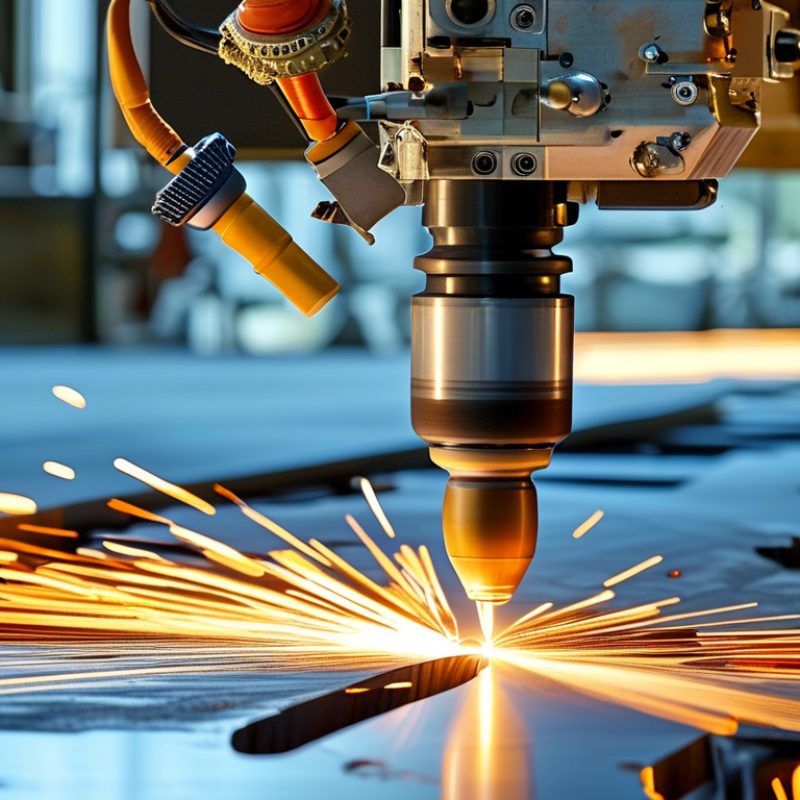
Overview of CNC Laser Pipe Cutters and Their Applications
CNC laser pipe cutters have transformed various industries by ensuring precision and efficiency in pipe processing. These machines use focused laser beams to cut through various materials, including metal and plastics, delivering clean and accurate cuts. According to a recent market analysis by Research and Markets, the global CNC laser cutting machine market is expected to reach USD 5.2 billion by 2026, showing a compound annual growth rate (CAGR) of 7.8%. This growth illustrates the increasing demand for precision machinery.
Applications for CNC laser pipe cutters span multiple fields, such as automotive, aerospace, and construction. For example, in the automotive sector, manufacturers rely on these cutters for producing exhaust systems and custom tubing with exact dimensions. Their capability to handle complex geometries allows for innovative designs that traditional methods cannot achieve. However, these machines can also be costly to maintain and operate, leading some manufacturers to reevaluate their investments.
Tip: Regular maintenance is crucial. It can prolong the lifespan of your CNC laser cutter and ensure optimal performance. Operators should be trained to perform basic troubleshooting to minimize downtime. Additionally, consider the materials being processed. Not all lasers are equally effective on all materials, which can affect cutting quality.
With advancements in technology, the flexibility of CNC laser pipe cutters continues to improve. They can adapt to various materials and cutting speeds. However, these innovations also require continual operator training. Adopting a continuous education approach can help operators stay ahead of industry trends. Balancing efficiency and the need for skilled labor is an ongoing challenge.
Key Features to Consider When Choosing a CNC Laser Pipe Cutter
When selecting a CNC laser pipe cutter, several key features impact precision and efficiency. One crucial aspect is the laser type. Fiber lasers, known for their excellent beam quality, provide better cutting capabilities for various materials. Their efficiency can significantly reduce production time. It is also vital to consider the cutting speed. Faster cutting speeds can enhance productivity but may affect the quality of the cut.
Another important factor is the software integrated with the machine. User-friendly software ensures seamless operation and advanced functionality. CNC compatibility plays a significant role in streamlining processes. Flexibility in cutting various pipe sizes is essential. The cutter should accommodate changes in diameter and wall thickness easily.
Lastly, maintenance and support are often overlooked. Regular maintenance keeps the machine in optimal condition. Accessibility to customer support enhances reliability. Choosing a cutter with robust support can save time and resources in the long run. Despite these, it’s easy to underestimate the long-term costs associated with expensive parts or poorly supported machines.
Top Manufacturers and Models of CNC Laser Pipe Cutters
The market for CNC laser pipe cutters has seen rapid growth, with a projected CAGR of 7.5% until 2025, according to recent industry reports. This growth aligns with the ever-increasing demand for precision manufacturing in sectors such as aerospace and automotive. Several key manufacturers have emerged as industry leaders in developing cutting-edge CNC laser technology. Their innovative designs focus on enhancing efficiency while maintaining high accuracy in cutting processes.
Models equipped with fiber laser technology are gaining traction. These models not only provide faster cutting speeds but also reduce energy consumption significantly. For example, some newer models can cut through mild steel up to 20 mm thick at speeds exceeding 60 m/min. This capability helps companies achieve optimal production rates without sacrificing quality. However, a challenge remains in the initial cost of these advanced machines, which can deter smaller businesses from adopting this technology.
User experience often reveals areas for improvement. Many users report that while these machines excel in precision, training new operators can be time-consuming. Additionally, maintenance requirements can be higher for advanced systems. Balancing technology and human expertise is critical for tapping into the full potential of CNC laser pipe cutters in various manufacturing processes. The industry's evolving landscape necessitates constant reflection on leveraging innovations effectively.
Best CNC Laser Pipe Cutter for Precision and Efficiency
This chart displays various performance metrics for CNC laser pipe cutters, including cutting speed, cutting thickness, precision, power consumption, and costs. It serves as a guide for evaluating the best machines based on efficiency and precision.
Comparison of Precision and Efficiency in CNC Laser Cutting Techniques
Precision and efficiency are crucial in CNC laser cutting techniques. Research shows that these factors can significantly impact production costs and product quality. Reports indicate that cutting accuracy can reach as low as ±0.1 mm. This level of precision is essential, especially in industries like aerospace and automotive, where every detail matters.
Efficiency also plays a vital role in CNC laser cutting. According to studies, laser systems can achieve cutting speeds of up to 30 m/min. This speed allows for increased output without compromising quality. However, the configuration and material type can influence results significantly. Challenges arise when laser parameters are not optimized for specific applications. For instance, using the wrong focus or speed may lead to excessive heat and poor edges.
Investing in advanced CNC laser technology can enhance both precision and efficiency. Newer models often feature automated adjustments for optimal performance. Yet, even the latest machines require skilled operators to manage them effectively. Knowledge and experience in laser technology can make a notable difference. Thus, selecting the right equipment is only part of the equation. Continuous training and adaptation to new methods are necessary for success in this competitive field.
Maintaining Your CNC Laser Pipe Cutter for Optimal Performance
Maintaining your CNC laser pipe cutter is crucial for ensuring it operates at peak efficiency. Regular maintenance can significantly extend the lifespan of the machine. According to a report by the International Association of Laser Applications, 72% of laser cutter failures arise from inadequate maintenance. This statistic emphasizes the importance of routine checks.
Proper cleaning is essential. Dust and grime build-up can affect the precision of cuts. Ensure to clean optics and surfaces regularly to prevent operational inconsistencies. Lubrication of moving parts is equally important. Many operators overlook this step, leading to increased wear and tear. A study by the Machinery Manufacturers Association indicates that proper lubrication can improve machine reliability by up to 40%.
Regular inspection of alignment and settings is also critical. Misalignment can lead to costly errors. However, many users skip these checks due to time constraints. Ignoring these details can compromise the accuracy and efficiency of your operations. Investing time in maintenance is not just beneficial but necessary for optimal performance.
Best CNC Laser Pipe Cutter for Precision and Efficiency - Maintaining Your CNC Laser Pipe Cutter for Optimal Performance
| Model | Laser Type | Max Cutting Thickness (mm) | Speed (m/min) | Precision (mm) | Maintenance Frequency (Months) |
| Model A | CO2 | 10 | 20 | 0.1 | 6 |
| Model B | Fiber | 12 | 30 | 0.05 | 12 |
| Model C | CO2 | 8 | 25 | 0.08 | 9 |
| Model D | Fiber | 15 | 35 | 0.03 | 10 |
