Top 10 Benefits of Quick Die Change System for Manufacturers?
In today's competitive manufacturing landscape, a Quick Die Change System (QDCS) is essential for efficiency. Renowned expert Dr. Emily Carter, a leading authority in manufacturing optimization, once stated, “Implementing a Quick Die Change System can transform production timelines dramatically.” Her insights highlight how QDCS fosters agility in operations.
Quick Die Change Systems enable rapid tool adjustments, minimizing downtime. This is critical as manufacturers strive to meet customer demands efficiently. Companies can achieve shorter production runs with increased flexibility. However, transitioning to QDCS can have challenges. Not every manufacturer is ready for such swift changes. Some may struggle with initial implementation.
Nevertheless, the advantages of a well-executed QDCS are significant. Increased productivity, reduced waste, and improved quality are just the tip of the iceberg. As Dr. Carter emphasizes, adapting to this technology is not just a trend; it's a necessity for manufacturers aiming for long-term success. Embracing QDCS could be the key to staying competitive in a rapidly evolving market.
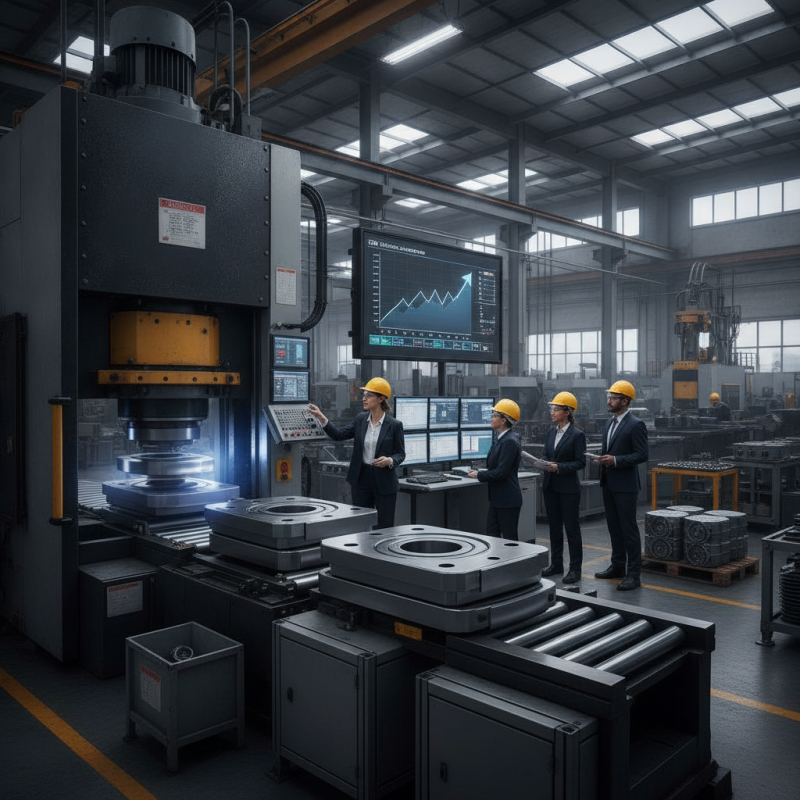
Benefits of Quick Die Change Systems in Manufacturing Operations
Quick Die Change Systems (QDCS) have emerged as crucial tools for manufacturers aiming to enhance productivity. These systems allow for swift adjustments between different production setups, significantly reducing downtime. A well-implemented QDCS can cut changeover time from hours to mere minutes. This capability not only boosts operational efficiency but also maximizes machine utilization.
One interesting aspect of QDCS is its impact on workforce morale. With quicker setups, workers experience less frustration. They engage in a more dynamic work environment, fostering innovation. Nevertheless, training remains essential. Operators need to be well-versed in new systems to avoid mistakes during changeovers.
Tips:
Always maintain a checklist for every changeover. This practice minimizes human errors. Regularly review changeover procedures with your team. Feedback can highlight areas for improvement. Lastly, invest in quality tools. They can make the changeover process quicker and smoother.
Enhanced Production Efficiency Through Faster Changeovers
In the fast-paced world of manufacturing, efficiency is paramount. A Quick Die Change (QDC) system can significantly enhance production through faster changeovers. By reducing downtime, manufacturers can increase their output dramatically. Observing a reduction in changeover time from hours to minutes is not uncommon. This transformation allows teams to produce more products without extensive delays.
Achieving effective implementation of a QDC requires commitment. Regular training sessions for staff can reinforce the importance of speed and efficiency. Teams should practice changeovers frequently, even without production pressure. Mistakes may happen, and that’s okay; reflecting on these moments helps improve processes.
Here’s a tip: ensure all tools needed for changeovers are easily accessible. When every tool is in its place, it speeds up the process. Also, consider standardizing procedures for common changeovers. Consistency reduces errors and the time spent figuring things out.
Implementing a QDC system isn't just about technology; it's about a cultural shift. Engaging employees in discussions about their experiences can uncover valuable insights. Workers may have practical ideas that can further refine the changeover process. Embrace those feedback loops to create a collaborative environment, fostering continuous improvement.
Top 10 Benefits of Quick Die Change System for Manufacturers
| Benefit | Description | Impact on Production |
| Reduced Changeover Time | Minimizes the time needed to switch between production runs. | Increases overall machine utilization. |
| Increased Flexibility | Allows manufacturers to quickly adapt to changing demands. | Enables quicker responses to market trends. |
| Enhanced Productivity | Streamlined processes lead to more output in the same timeframe. | Maximizes throughput and profitability. |
| Lower Labor Costs | Fewer personnel needed for changeover activities. | Reduces direct labor costs associated with production changes. |
| Improved Quality Control | Consistent changeover processes lead to better product quality. | Fewer defects and reworks in production. |
| Reduced Waste | Efficient use of materials during transitions. | Leads to cost savings and environmental benefits. |
| Standardized Procedures | Formalizing changeover processes ensures consistency. | Enhances overall operational efficiency. |
| Greater Equipment Longevity | Proper handling and quick adjustments minimize wear. | Reduces maintenance costs and extends equipment life. |
| Enhanced Worker Satisfaction | Streamlined operations reduce stress and frustration. | Leads to better morale and retention of skilled workers. |
| Competitive Advantage | Ability to respond swiftly to market needs sets manufacturers apart. | Attracts more business and improves market share. |
Reduction of Downtime and Increased Machine Utilization
The implementation of a Quick Die Change System (QDCS) significantly reduces downtime for manufacturers. Traditional die change processes can take hours. With QDCS, changes can be completed in minutes. This efficiency maximizes machine utilization. More production time means increased output and improved profitability.
Consider a manufacturing plant that typically experiences 20% downtime for die changes. By adopting QDCS, this downtime can drop to 5%. The impact is substantial. A manufacturer could boost production capacity by up to 15% in some cases. This increase enhances the overall efficiency and competitiveness of the operation.
However, transitioning to a QDCS does require initial investment and training. Companies must adapt to new practices that might challenge existing workflows. It's essential to assess employee readiness and address potential skills gaps. Without careful planning, the initial benefits may not be fully realized. Balancing speed and quality is vital to ensure outputs meet industry standards.
Improved Product Quality and Consistency with Precision Changes
A Quick Die Change System significantly enhances product quality and consistency. With precise changes, manufacturers can achieve tighter tolerances. This precision leads to fewer defects in the final product. Each adjustment minimizes variation, allowing for uniformity across batches.
Implementing a quick die change can reveal areas for improvement. It’s not just about speed; it’s about accuracy. Operators may struggle initially with the new system. Errors can occur if the process isn’t properly understood. This emphasizes the need for thorough training and ongoing support for staff.
Furthermore, the system requires regular maintenance. Neglecting this aspect can lead to decreased performance. A quick die change is not a fix-all solution. Manufacturers must evaluate its impact on their specific processes. Engaging in this reflective practice helps in optimizing the benefits while addressing potential pitfalls.
Top 10 Benefits of Quick Die Change System for Manufacturers
Cost Savings and Resource Optimization in Manufacturing Processes
In modern manufacturing, quick die change systems (QDCS) present significant advantages in cost savings and resource optimization. According to a report by the Society of Manufacturing Engineers, efficient die change can reduce downtime by up to 80%. This accelerated process not only minimizes machine idle time but also maximizes production output. For facilities relying heavily on tooling, such improvements can lead to substantial reductions in operation costs.
Resource optimization is another critical benefit of QDCS. A survey by the Manufacturing Performance Institute revealed that companies implementing QDCS have seen material waste decrease by 40%. With faster setups, manufacturers can respond swiftly to orders, reducing excess inventory and ensuring alignment with just-in-time methodologies. This inherently encourages a stronger connection between production and demand, ultimately improving sustainability efforts.
While the advantages are compelling, challenges exist. The initial investment in technology and training can be daunting for some organizations. Additionally, not all employees may adapt to the new system seamlessly, impacting productivity initially. Addressing these concerns necessitates open communication, strategic planning, and possibly a phased approach to implementation. Missteps in this transition could negate the anticipated financial benefits.
Conclusion
The "Quick Die Change System" offers numerous advantages for manufacturers seeking to enhance their operational efficiency. By enabling faster changeovers, this system significantly improves production efficiency, allowing manufacturers to adapt quickly to varying demands. The reduction of downtime and increased machine utilization are critical benefits, ensuring that equipment is operational for longer periods, which translates into higher productivity.
Moreover, the Quick Die Change System contributes to improved product quality and consistency through precise adjustments during the changeover process. This not only leads to better outcomes but also drives cost savings and resource optimization by minimizing waste. Finally, it facilitates continuous improvement and supports lean manufacturing practices, ultimately fostering a more agile and competitive production environment.
