Why Choose Acoustic Metal Panels for Your Next Project?
In the architectural and design industry, the choice of materials significantly influences sound quality and aesthetics. Acoustic Metal Panels have gained popularity for their unique properties. These panels not only enhance acoustics but also provide a sleek, modern look. Renowned acoustics expert Dr. Emily Randall states, "Acoustic Metal Panels are redefining how we think about sound management in contemporary spaces."
The importance of creating spaces that balance sound and design cannot be overstated. Acoustic Metal Panels excel in controlling reverberation, making them ideal for venues like theaters and conference rooms. While they offer substantial benefits, some designers question their cost-effectiveness compared to traditional materials. This is a valid consideration; however, the long-term advantages often outweigh initial expenses.
Selecting the right acoustic solution requires careful thought. Individuals must assess specific needs and desired outcomes. Acoustic Metal Panels stand out, providing not just functional benefits but also visual appeal. By understanding these elements, project stakeholders can make informed decisions for successful outcomes.
Benefits of Acoustic Metal Panels in Noise Control and Management
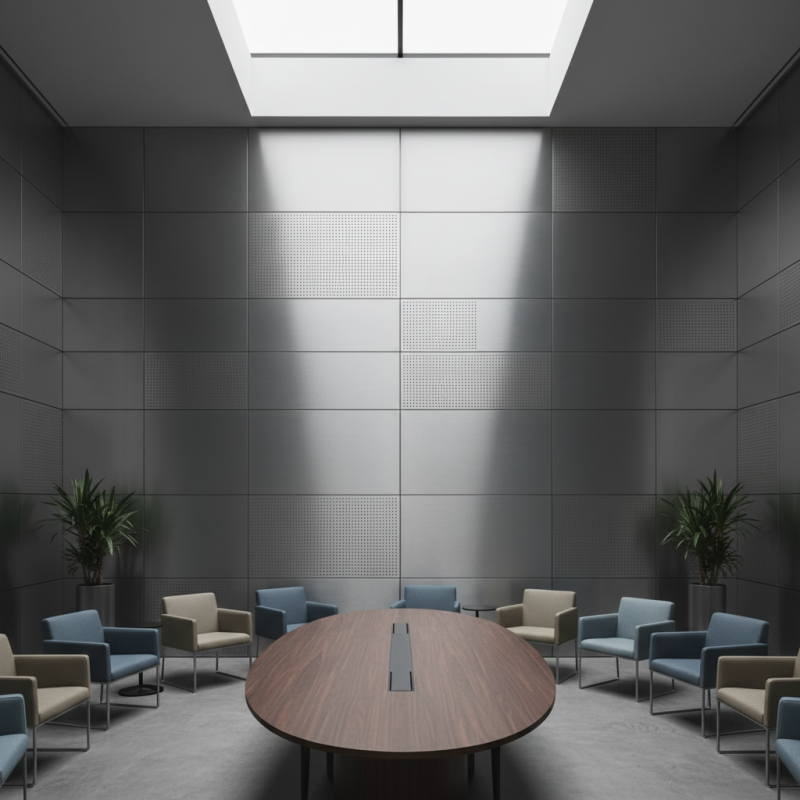
Acoustic metal panels are gaining attention for their effective noise control capabilities. They offer a unique combination of aesthetics and sound management. In any project, reducing noise can greatly enhance comfort and productivity. The sleek surface of metal panels allows for innovative designs while functioning to absorb and deflect sound.
These panels work by a combination of absorption and diffusion. Their dense structure helps to minimize sound transmission. This prevents echoes and reduces distractions in both commercial and residential spaces. Acoustic metal panels are not just functional; they are stylish too. They come in various finishes and colors, making them versatile for any interior design.
However, selecting the right configuration requires careful thought. Not every area is suitable for metal panels. Sometimes, they may not absorb enough sound in larger or more open spaces. Projects need careful consideration regarding placement and material choice. While many manufacturers provide guidelines, real-world testing often reveals flaws. This iterative process is crucial for achieving optimal performance.
Key Performance Metrics of Acoustic Metal Panels in Commercial Spaces
Acoustic metal panels are gaining traction in commercial spaces due to their impressive performance metrics. According to a study by the Acoustical Society of America, these panels can reduce noise levels by up to 40%. This significant decrease effectively enhances the quality of the workspace, promoting better communication and productivity. Additionally, their reflective properties can create a dynamic aesthetic, making them suitable for modern architectural designs.
When considering specific performance indicators, the Noise Reduction Coefficient (NRC) is crucial. Many acoustic metal panels boast an NRC rating of 0.75 or higher. This means they absorb at least 75% of sound waves that strike their surface. This is particularly beneficial in bustling environments like offices and restaurants, where excessive noise can hinder conversations. Importantly, the installation process needs careful attention. Poorly installed panels can lead to less effective noise control, prompting a reevaluation of acoustical engineering practices.
Furthermore, durability is a key consideration. Many metal panels resist moisture and corrosion, essential for high-traffic areas. However, it's worth noting that their effectiveness can diminish with age if not maintained properly. Regular inspections and proper upkeep are necessary to ensure they continue to perform as expected. These factors must weigh heavily in the decision-making process for any upcoming commercial project.
Comparative Analysis of Acoustic Metal Panels vs. Traditional Materials
Acoustic metal panels are gaining popularity in modern design, yet it’s crucial to compare them with traditional materials. Traditional options often include wood, fabric, and drywall. These materials can absorb sound but typically lack durability and require extra maintenance. Over time, wood can warp, and fabric can trap dust and allergens.
In contrast, acoustic metal panels provide a robust solution. They are resistant to moisture and do not warp. This durability can be a significant advantage in high-traffic areas or environments with varying humidity levels. Additionally, these panels are made from recyclable materials, appealing to eco-conscious projects. However, the aesthetics can be a sticking point. Metal panels may not offer the warmth of traditional materials, which can affect the overall inviting quality of a space.
Acoustic performance is another essential factor to consider. Metal panels can effectively reduce noise, but the right installation is key. There is a learning curve when using these materials. Misalignment can lead to sound leaks that diminish their effectiveness. Proper planning and expertise are crucial for optimal results. Understanding the unique properties of each material will lead to better sound management and design outcomes.
Comparison of Acoustic Performance: Metal Panels vs. Traditional Materials
Durability and Maintenance Considerations for Acoustic Metal Panels
Acoustic metal panels offer remarkable durability, making them an excellent choice for various projects. These panels can withstand harsh environments, including moisture and temperature fluctuations. According to a report from the National Institute of Building Sciences, metal panels are resistant to corrosion and can last over 50 years with minimal maintenance. This longevity reduces waste and the need for frequent replacements.
Maintenance for acoustic metal panels is straightforward. Regular cleaning with mild detergents is often all that is required. This simplicity can save time and labor costs. A study by the American Society for Testing and Materials highlights that less maintenance correlates with lower lifecycle costs. Property managers should routinely inspect these panels for signs of wear, ensuring that any minor issues are addressed promptly.
Tips: Consider the design and placement of the panels. Where they are installed can affect their performance. Also, evaluate the acoustic properties based on the space's needs. Ensure these panels meet the sound absorption requirements unique to your project. A well-informed decision can lead to improved aesthetics and functionality.
Industry Adoption Rates and Trends for Acoustic Metal Panel Solutions
Acoustic metal panels are gaining popularity across various industries. They blend aesthetics with function. More architects and designers are recognizing the benefits of these materials for noise reduction and sound control. Many workplaces experience noise issues. Acoustic panels offer an effective solution to create a more productive environment.
The trend towards sustainable construction fuels the adoption of acoustic metal panels. These products often come from recyclable materials. They also enhance the aesthetic value of spaces, appealing to design-conscious clients. However, some projects may overlook the importance of proper installation. Inadequate installation can lead to poor acoustic performance.
Tips: Always consult with experts on optimal panel placement. This achieves the best sound absorption. Regular maintenance is essential to retain their effectiveness. Evaluate the humidity and temperature changes in the environment to ensure longevity. Be cautious with choices, as not all panels suit every project. Standard solutions may not fit unique spatial needs. Always assess if customized options are necessary for the space you are working on.
